If you’ve been pushing your limits in the gym, on the track, or in the field, your body needs more than a break. Although your first sports massage may be a new experience, it’s also one of the best investments you can make for your sports performance and overall well-being. Sports massage therapy works by stimulating the deep muscles, improving circulation, and releasing adhesions that develop from repetitive physical stress.
Whether you are a weekend warrior or a sports competitor, understanding what’s ahead will help you get the most out of your sports massage sessions. At Mali Healing Spa NYC, highly skilled therapists are committed to helping you move better, recover faster, and feel stronger after every sports massage session.
Key Takeaways
- A sports massage therapy is not a relaxation massage; it is a specific, therapeutic, and performance-based massage.
- A little discomfort during your first sports massage is normal, especially in areas of tension. This is a good, healthy response.
- The sports massage benefits are increased flexibility, reduced recovery time, and decreased injury risk.
- Hydration before and after your massage will increase the detoxifying and muscle-recovery benefits.
- The benefits of sports massage for athletes are best gained from a routine, not a single event.
What Is Sports Massage Therapy, Really?
Sports massage therapy is a type of bodywork specifically developed to aid in athletic performance and sports massage recovery. It is different from a Swedish massage in that it incorporates various techniques of deep tissue massage, myofascial release, trigger point therapy, and stretching.
A study done on massage therapy and published in the Journal of Athletic Training revealed that massage therapy reduces muscle soreness and increases range of motion when done regularly. Massage therapists who practice sports massage therapy know how to apply their knowledge of body mechanics. This means a runner would get a very different massage than a swimmer.

Before Your Session: What You Should Do
It is important to prepare for your session, and here are some things that you should do before the appointment:
- Hydrate well, as well-hydrated muscle tissue has a better response to treatment.
- Avoid intense training, as it is recommended that you have light training the day before your first session.
- Communicate your goals, as this will enable the therapist to work on the injured parts of the body.
- Wear comfortable clothing, as you may be required to be partially dressed.
- Eat light, as eating heavily the day before the appointment may cause discomfort during the session, especially if the session involves the abdomen and hips.
During the Session: What Actually Happens
As you arrive, your massage therapist will conduct a brief assessment of your needs. They will want to know about your level of activity, any injuries you have, and other areas of concern for you.
Generally, a sports massage therapy session will involve a series of three steps, which include the following:
1. The Warm-Up Phase
Your massage therapist will use gentle effleurage strokes that warm up the tissues and increase the blood flow to the muscles that need attention.
2. The Treatment Phase
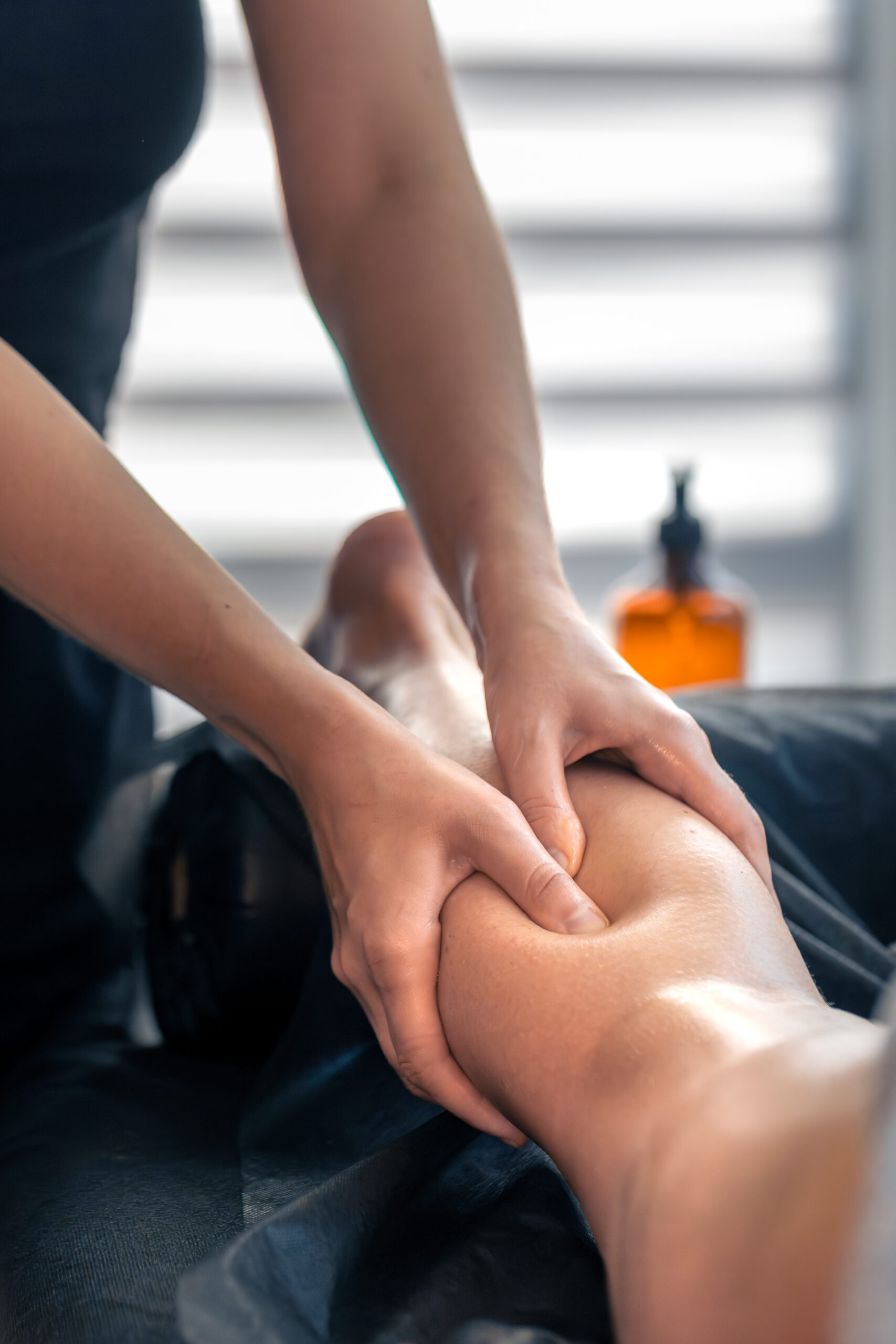
This is where the actual massage will take place, where friction, compression, and pressure are applied to the areas of tension or restriction in the muscles. This will hurt a little, a ‘good hurt’, especially if you have a lot of built-up tension in your muscles.
3. The Flush-Out Phase
Finally, your massage therapist will use gentle strokes that will help flush out the toxins from the muscles, which is a direct benefit of sports massage recovery.
Science Behind Sports Massage Benefits
While the sports massage benefits are obvious, they are also backed by scientific research:
- Muscle Soreness—A meta-analysis published in Frontiers in Physiology in 2020 found that massage reduces DOMS after 24-72 hours.
- Improved Blood Flow—The pressure on the muscle increases the flow of blood, thereby providing the muscle with the necessary oxygen and nutrients.
- Nervous System—Massage stimulates the parasympathetic nervous system, which reduces cortisol levels.
- Flexibility—Sports massage increases adaptability, which reduces the chances of injury among athletes during intensive training phases.
- Quick Recovery—Sports massage for athletes enables them to get back to training faster.
After Your Session: What to Expect
Your body is actively recovering after a massage. What to expect:
- A little soreness, which should last 12 to 24 hours. This is especially true if it was a deep massage.
- Increased thirst: This is a sign your body is flushing out toxins.
- Feeling light or tired: These are signs your nervous system is rebalancing.
- Better sleep the following night.
Drink plenty of water, avoid alcohol, and avoid strenuous activities for at least 24 hours. These are the best ways to ensure a successful sports massage.
The Benefits of Sports Massage for Athletes: A Long-Term Approach
A single session is great, but sports massage for athletes is where it really excels. Even top coaches and physiotherapists recommend incorporating massage into an athlete’s weekly or biweekly training schedule.
This minimizes scar tissue buildup, reduces the risk of overtraining injuries, and stops the nervous system from going into a state of compensation that causes chronic back pain. Your first sports massage is just the start of a new and smarter training strategy.
Begin Your Recovery Journey
After learning what to expect from a session, the next step is easy. At Mali Healing Spa NYC, each session is designed by expert therapists who have a comprehensive understanding of human anatomy and a personal approach to healing.
Whether you’re training for a competition, racing to the finish line, or getting better every day, Mali Healing Spa NYC is your partner for performance-based wellness. Book your appointment today and discover the power of real recovery.
FAQs:
Will a sports massage hurt?
While some pressure points may hurt a little, they should not hurt too much.
How often should athletes have a sports massage?
Athletes should have a sports massage once a week during heavy training phases or once or twice a month during maintenance.
Can I have a sports massage the day before a competition?
You may have a sports massage the day before a competition; however, it should be light.
What are the benefits of sports massage for non-athletes?
The benefits for non-athletes include improved posture, reduced muscle tension, improved sleep patterns, and faster recovery after physical activity.

Related Posts
6 Recovery Benefits of Sports Massage After Workouts
How Does Sports Massage Help Athletes Recover Faster in NYC?