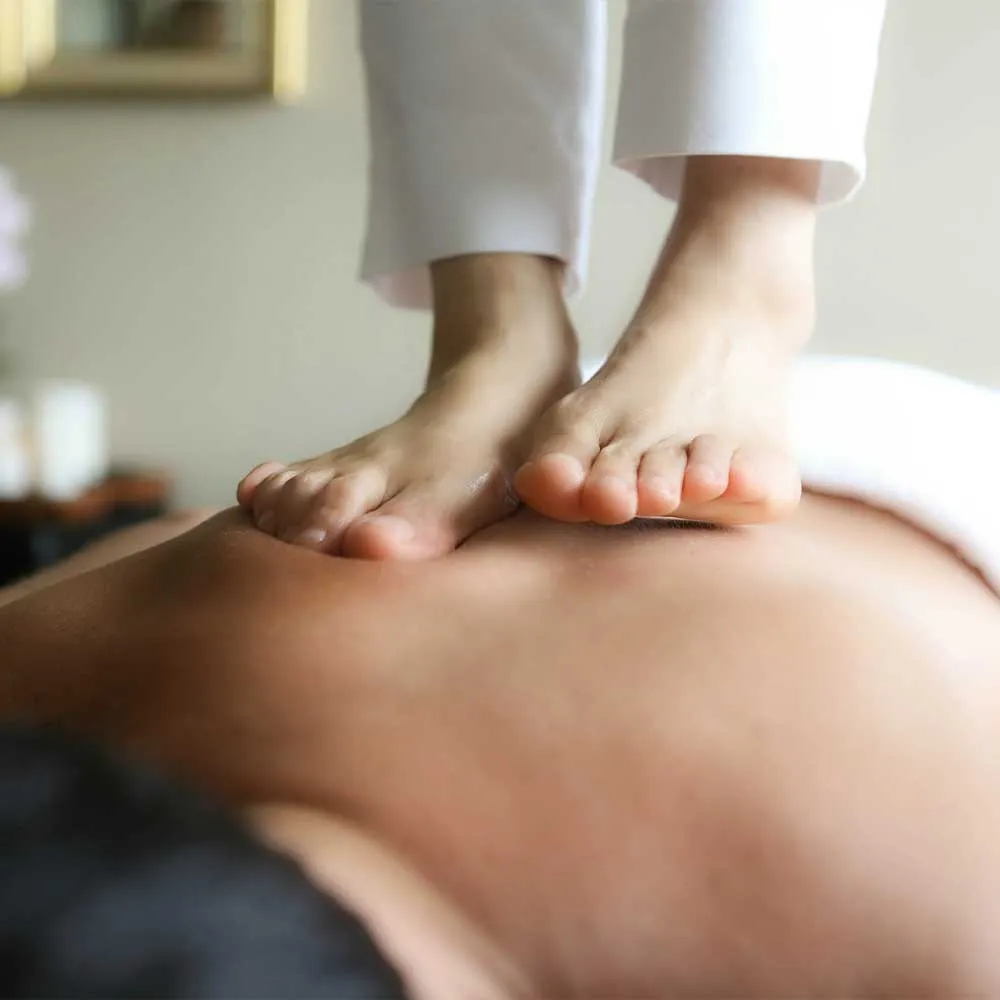

You’ve heard people rave about how Deep Tissue Massage changed their lives. Maybe your chiropractor recommended it, or your gym buddy won’t stop talking about their therapist. But here’s the thing—you’ve also heard the horror stories. Someone’s cousin got bruised. A coworker said it hurt so badly they never went back.
So, what’s the real deal? Can something that’s supposed to help hurt you?
Here’s what matters: Deep pressure therapy works incredibly well when you’ve got a trained professional doing it. The confusion comes from myths that have been floating around forever, plus people not knowing what they’re getting into. Once you understand how it works, you’ll walk into that first appointment feeling ready instead of nervous.

Does Deep Tissue Massage Have to Hurt?
Let’s tackle the biggest myth right away. No, this shouldn’t feel like torture. Yes, it’s more intense than a spa day rubdown. There’s a massive difference between pressure that feels productive and pain that makes you want to jump off the table.
Think about stretching. When you reach for your toes, you feel that pull in your hamstrings—it’s intense, maybe even uncomfortable, but it feels like it’s doing something good. That’s therapeutic discomfort. Now imagine someone yanking your leg until you scream. That’s just pain, and pain makes your muscles tense up instead of releasing.
Your therapist should be checking in constantly about pressure. If you’re gripping the table, holding your breath, or feeling sharp sensations, that’s your sign to speak up. Good therapists want your feedback because they know muscles only release when you’re relaxed, not when your nervous system thinks you’re under attack.
The “no pain, no gain” mentality? Total garbage when it comes to massage therapy.
What Happens During Your First Session?
Before You Arrive
Drink lots of water the day before you come in. Hydrated muscles respond better to hands-on work. Skip the huge meal right before—lying face-down with a full stomach isn’t fun. Show up a few minutes early so you’re not rushing in stressed out.
During the Appointment
Your therapist will ask about your health history, current problems, and what you hope to accomplish. Be honest. If your shoulder’s been killing you for three months, say so. If you’re on blood thinners, they need to know that too.
You’ll undress to whatever level feels comfortable—most people keep their underwear on. Professional draping means you’re covered except for the area being worked on. The therapist will use slow, deliberate strokes with sustained pressure to reach those deeper muscle layers and fascia.
You should feel focused work on problem areas rather than all-over relaxation strokes. The intensity builds gradually as your tissues warm up. Sometimes you’ll hit a tender spot that sends sensation somewhere else—that’s trigger point referral, and it’s completely normal.
After Treatment
Take your time getting up. Some people feel lightheaded from deep relaxation. Your therapist might suggest specific stretches or self-care for home.
For the next day or two, expect some soreness like what you’d feel after a tough workout. Keep drinking water. Your body’s processing everything that got released, and hydration helps. Some people feel energized, others feel tired—both reactions are normal.
What Are the Real Benefits?
The Firm pressure massage benefits go way beyond feeling good for an hour. Research backs up what therapists have known for years:
Chronic Pain Relief Studies show real improvement for lower back pain, neck problems, and fibromyalgia. The technique breaks up scar tissue and adhesions while getting more blood flow to areas that need healing.
Better Movement When fascia gets restricted and muscles stay shortened; your range of motion suffers. Deep Tissue Massage Treatment addresses those restrictions so you can move freely again.
Stress Reduction Even though this isn’t a gentle relaxation massage, it still lowers your stress hormones and activates your parasympathetic nervous system—the rest and digest mode your body needs.
Athletic Recovery Athletes use this to handle overuse injuries and maintain tissue quality between training sessions. It helps prevent the buildup that leads to chronic problems.
Improved Posture A lot of postural issues come from chronically tight muscles pulling your body out of alignment. Release that tension, and your natural positioning improves.
Better Sleep People often say they sleep better after their massage appointments. This probably happens because they have less pain and feel less stressed.
When Should You Be Careful?
Deep muscle treatment is safe for most people, but you need to be extra careful or talk to your doctor first in some situations:
Don’t schedule a massage if you have:
- An active infection or fever
- A very recent injury (wait 2-3 days)
- High blood pressure that isn’t controlled
- Recent surgery or open cuts
- Problems with blood clotting
It’s important to discuss with your doctor if you’re dealing with:
- Pregnancy
- Cancer now or in the past
- Varicose veins
- Skin problems where you want the massage
- Recent broken bones
- Take blood thinners
Always fill out the intake forms completely and tell your therapist everything. Something that seems unimportant to you might matter for how they do your massage.
How Often Should You Go?
It depends on your situation:
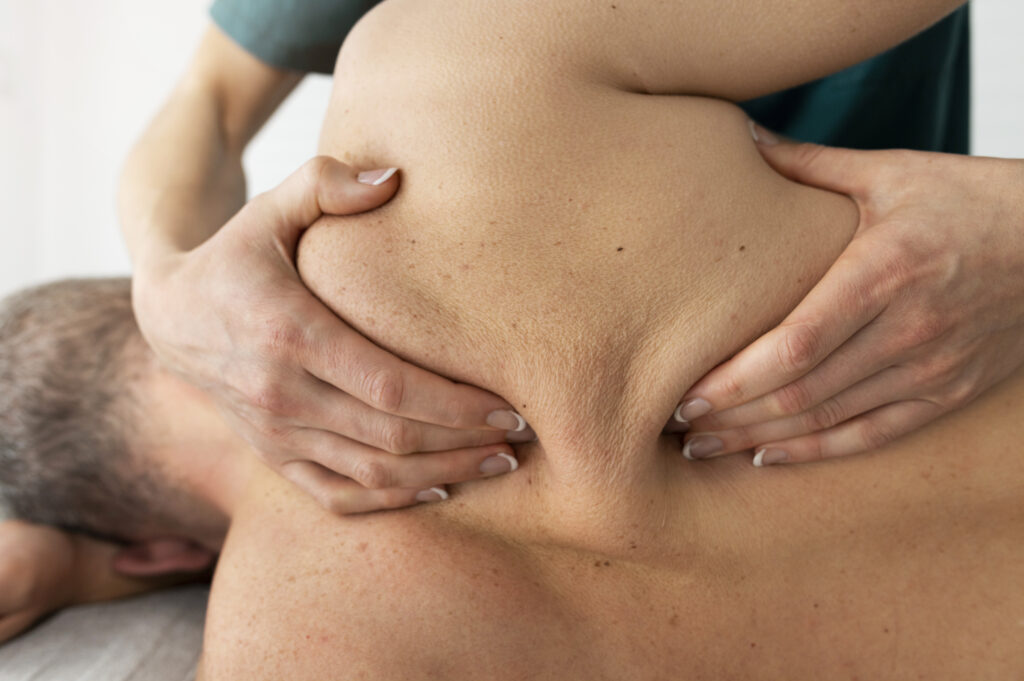
If you have ongoing pain or are recovering from an injury, going once a week for 4-6 weeks usually works best. After that, you can space out your appointments as you start feeling better. Your therapist should reassess regularly and adjust the plan as you progress. The goal is getting your body to hold improvements longer between visits.
Key Takeaways
- Professional therapists make Deep Tissue Massage Treatment safe for most people
- Feeling intense pressure is normal, but actual pain means something’s wrong
- The benefit of massages ranges from chronic pain relief to better sleep and improved flexibility
- Expect some muscle soreness for a day or two afterward—that’s your body healing
- Some health issues require doctor approval before booking your session
- Drinking water and speaking up during treatment makes everything work better
Frequently Asked Questions
Will I be sore afterward?
Probably a bit, for 24-48 hours. It’s manageable soreness, not severe pain. Water, gentle movement, and heat help.
Is it different from regular massage?
Swedish massage uses lighter pressure for full-body relaxation. Deep muscle massage targets specific problem areas with sustained pressure in deeper layers. Both have their place.
Can I talk during the session?
Whatever works for you. Some people need silence to relax, others like chatting or asking questions. Just give feedback about pressure when needed.
Does it help tension headaches?
Absolutely, especially when headaches come from neck and shoulder tightness. Mention headaches during intake so your therapist addresses contributing factors.
What about pregnancy?
It can be safe with modifications and doctor approval. Make sure your therapist has prenatal training.
Will it release toxins?
Massage improves circulation and lymphatic flow, which helps your body process metabolic waste through normal channels. Stay hydrated to support these natural processes.
Ready to Feel Better?
Now you know what this massage is about. It’s not something scary—it’s a tested method that’s helped tons of people deal with pain and move more freely.
At Mali Healing Spa, our massage therapists combine advanced techniques with genuine care about your comfort and results. We answer your questions, listen to your concerns, and build treatment plans around your specific needs.
Stop living with pain, tension, or limited movement. Whether you’re dealing with chronic issues, recovering from injury, or just want to feel better in your body, professional Deep Tissue Massage Treatment might be exactly what you need. Book your first session with Mali Healing Spa NYC today. Our team will guide you through every step, making sure you feel informed and comfortable. Your body’s been sending you messages—now’s the time to pay attention.

Related Posts
Full Body Deep Tissue Massage for Chronic Pain & Tension Relief
10 Surprising Benefits of Deep Tissue Massage You Didn’t Expect