
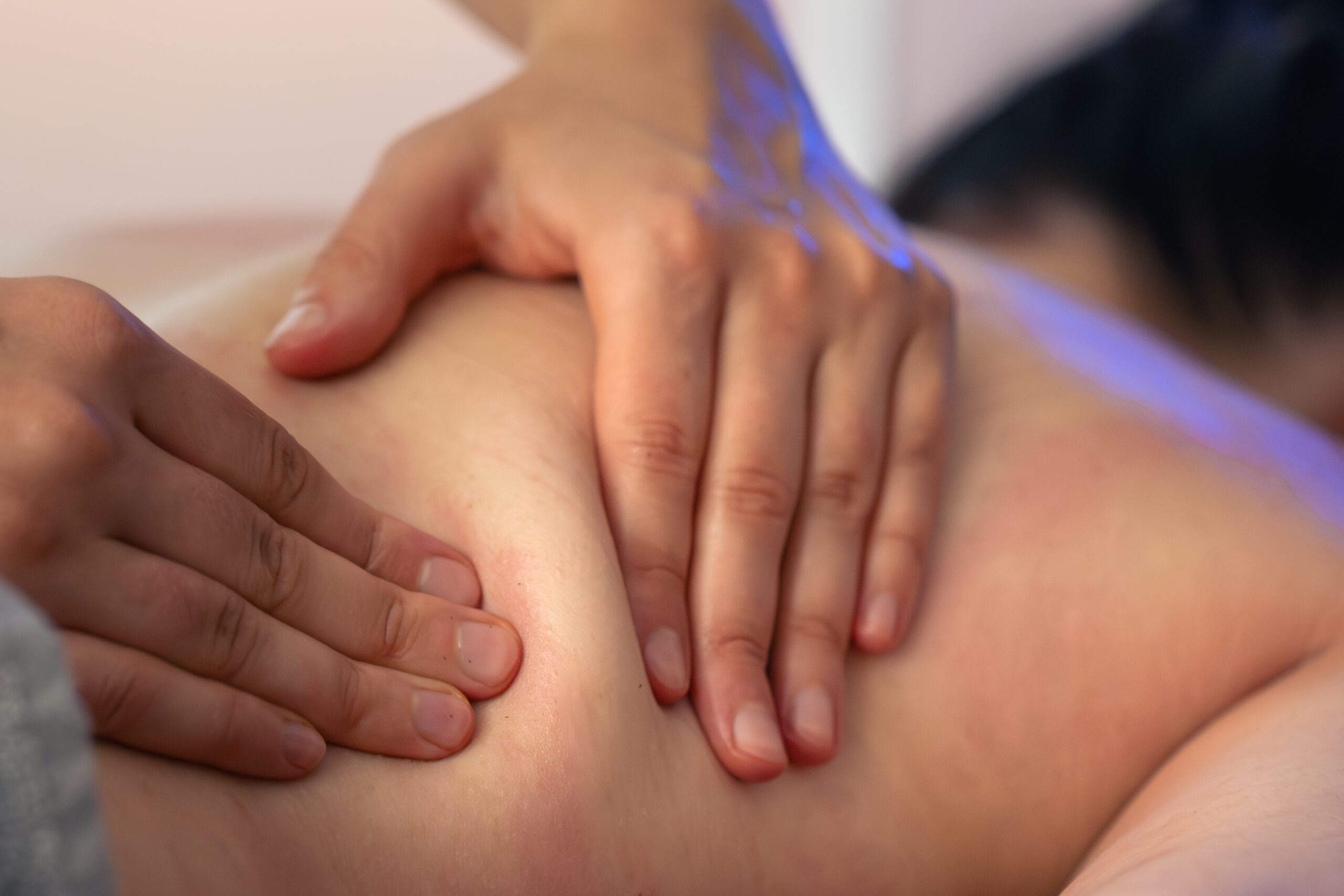
When you are experiencing chronic muscle pain, stiffness, or just constant stress that will not go away, a Professional Deep Tissue Massage can be the solution. It is not the massage of relaxation only, but rather penetrates the muscles and connective tissues to break the tension accumulated over a long time and enhance mobility.
In a reputed deep tissue massage spa such as the Mali Healing Spa NYC, each session is made to suit the needs of your body. In case it is your first experience, you may be wondering what really happens when you receive the massage and how to get ready. This guide takes you through the entire process of the consultation to the aftercare, so that you have a clear understanding of what to expect.

The Consultation Process: Understanding Your Body First
You will be having a brief consultation with your massage therapist before the commencement of your Professional Deep Tissue Massage. This is a highly critical step that assists in making the session safe and effective.
When consulting with your therapist, he or she might ask:
- In the areas that hurt or are tight.
- In case of any injuries, medical problems, or surgery.
- Your day-to-day living, sitting positions, or stresses.
- Preference and previous experience of massage.
Such a discussion assists the therapist in choosing the techniques to apply and where to put more effort. The massage plan will be tailored to your needs, be it pain in the neck following the tedious work hours or the pain in the legs following the strenuous workout.
There is no rush for the good deep tissue massage therapy. It starts with listening.
Session Flow: What Happens During the Massage
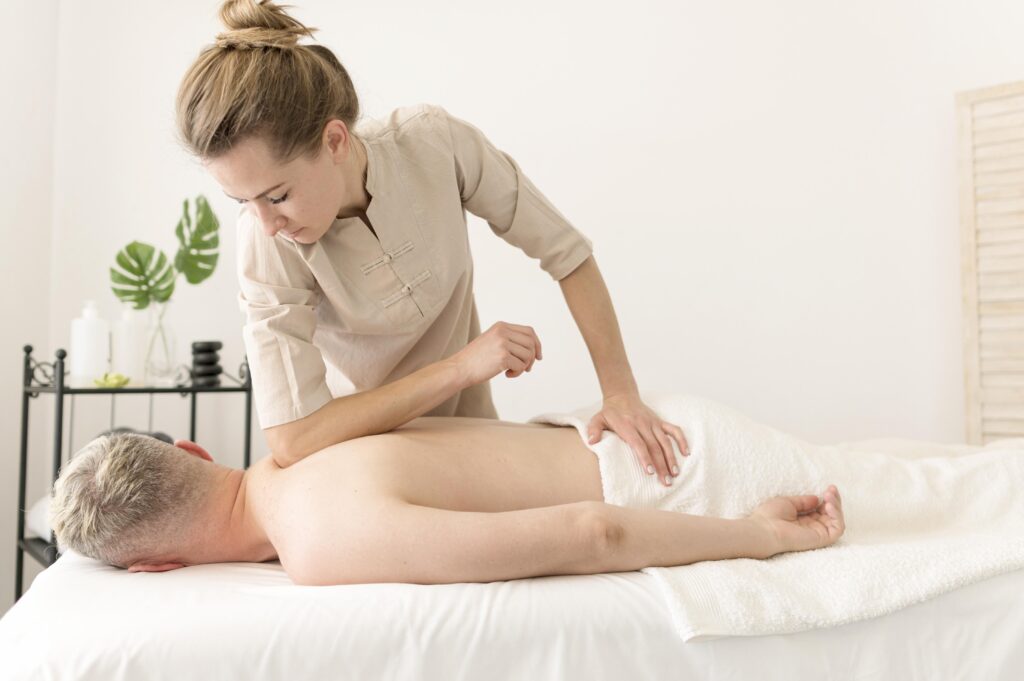
After the consultation is over, you will be escorted to a quiet room. You will be requested to lie on a massage table and wrap a sheet or towel around your body, except for the part of the body undergoing treatment.
1. Warming Up the Muscles
The session usually starts with slower and lighter strokes. This will stretch your muscles to warm them and prepare your body for more intense pressure. Although it is referred to as deep tissue, the therapist does not begin deep immediately.
2. Applying Deep Pressure
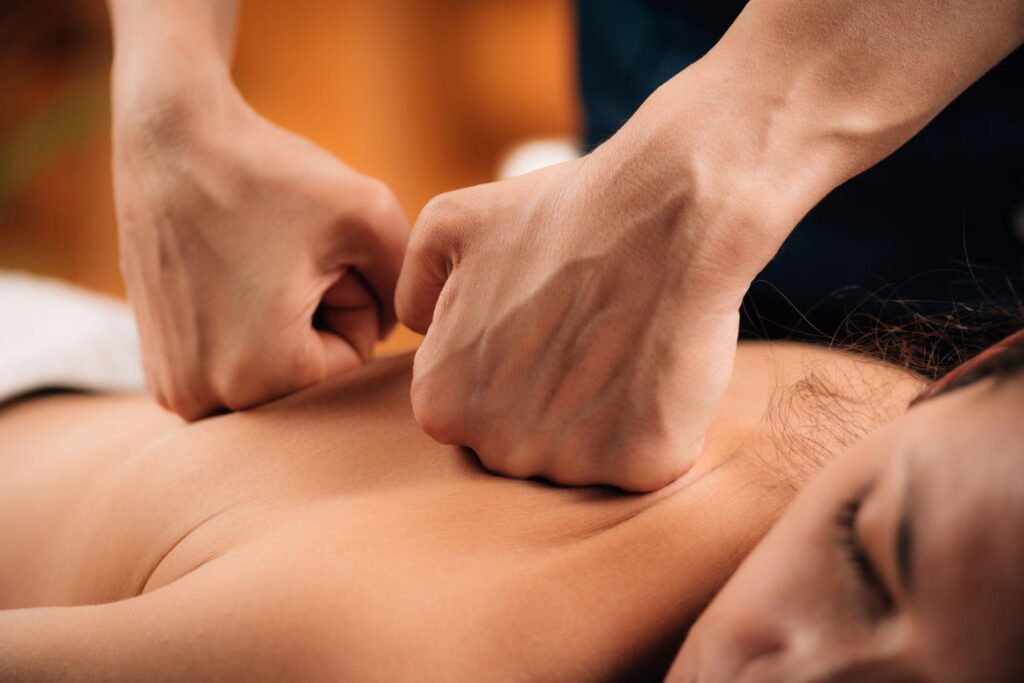
When the massage progresses, the therapist applies hard pressure with hands, fingers, knuckles, forearms, or elbows to access deeper layers of the muscle. The Professional Deep Tissue Massage part is concerned with:
- Breaking up muscle knots
- Getting the stress out of problem areas.
- Enhancing resistance and elasticity.
There might be some discomfort, but that should not be painful. One should raise one’s voice when the pressure is either too heavy or too light. Communication assists in achieving the optimum output.
3. Focused Work on Problem Areas
Contrary to the relaxation massage, deep tissue massage will take time on particular areas such as:
- Neck and shoulders
- Lower back
- Hips and legs
The therapist is time and purposeful, and it gives your muscles time to unwind and release themselves.
Aftercare Instructions: Helping Your Body Recover
Your body requires time to adapt and recover after your Professional Deep Tissue Massage. Simple aftercare measures can make you recover sooner and lengthen the benefits.
Stay Hydrated
Have lots of water after working out. Massage assists in the release of toxins found within the muscles, and water aids in the removal.
Expect Some Soreness
Slight pains during a day or two are to be expected, like those experienced after a workout. This is an indication that your muscles are reacting to the therapy.
Gentle Movement Helps
Stiffness can be decreased by light stretching or walking. Don’t over-exercise immediately after your session.
Rest and Relax
Allow your body space to rest. Later in the day, a warm shower or bath would also assist in relaxing the muscles.
Proper aftercare is an important part of effective deep tissue massage therapy.
Benefits of a Professional Deep Tissue Massage
Regular sessions at a quality deep tissue massage spa can provide long-term benefits, including:
- Relief from chronic muscle pain
- Better posture and movement
- Reduced stress and tension
- Improved blood circulation
- Faster muscle recovery
Many clients notice improved sleep and reduced headaches as well.
Key Takeaways
- A Professional Deep Tissue Massage focuses on deeper muscle layers to relieve pain and tension
- The consultation helps customize the massage to your body’s needs
- Sessions use slow, firm pressure and target problem areas
- Mild soreness after the massage is normal and temporary
- Proper aftercare improves results and recovery
When done by trained therapists, deep tissue massage is both safe and highly effective.
Frequently Asked Questions (FAQs)
Is a Professional Deep Tissue Massage painful?
It can feel intense at times, but it should not be painful. You should always tell your therapist if the pressure feels uncomfortable.
How long does a deep tissue massage session last?
Most sessions last between 60 and 90 minutes, depending on your needs and the areas being treated.
Who should get deep tissue massage therapy?
It’s ideal for people with muscle pain, stiffness, sports injuries, or stress-related tension. However, those with certain medical conditions should consult a doctor first.
How often should I get a deep tissue massage?
For chronic pain, once every 2–4 weeks works well. Your therapist can suggest the best schedule for you.
Can I exercise after my massage?
Light movement is fine, but it’s best to avoid intense workouts for at least 24 hours.
Final Thoughts
A Professional Deep Tissue Massage is more than just a massage—it’s a focused therapy that helps your body heal, move better, and feel stronger. At Mali Healing Spa NYC, every session is designed with care, comfort, and your wellness in mind. Whether you’re new to massage or looking for lasting pain relief, deep tissue therapy can make a real difference in your everyday life.

Related Posts
10 Surprising Benefits of Deep Tissue Massage You Didn’t Expect
Back Walking Massage vs Deep Tissue: Which is Better in Manhattan?
