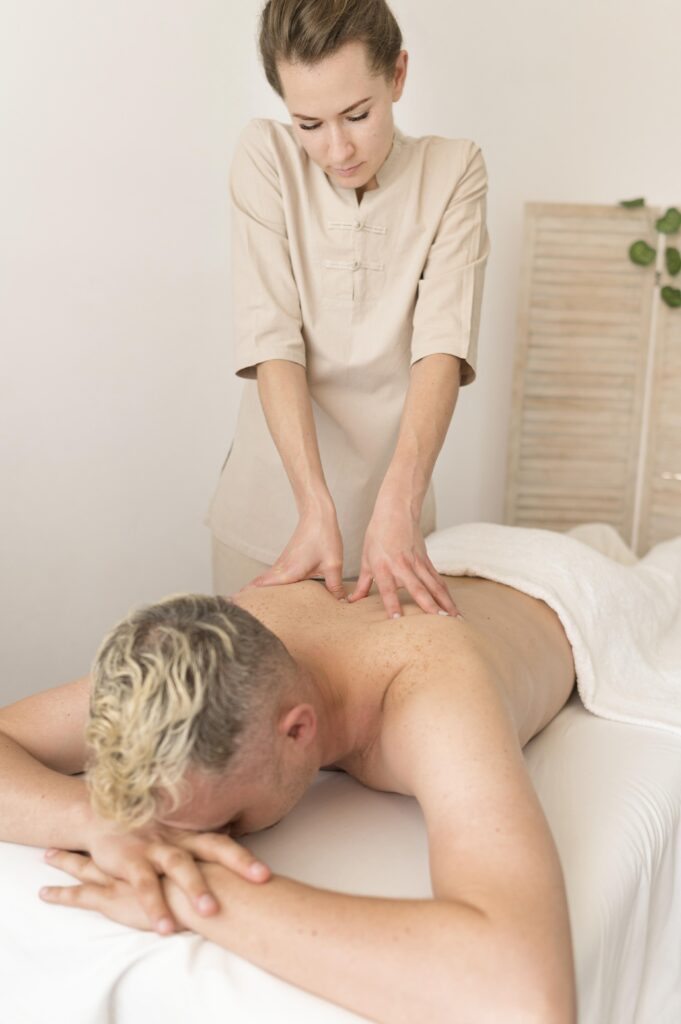
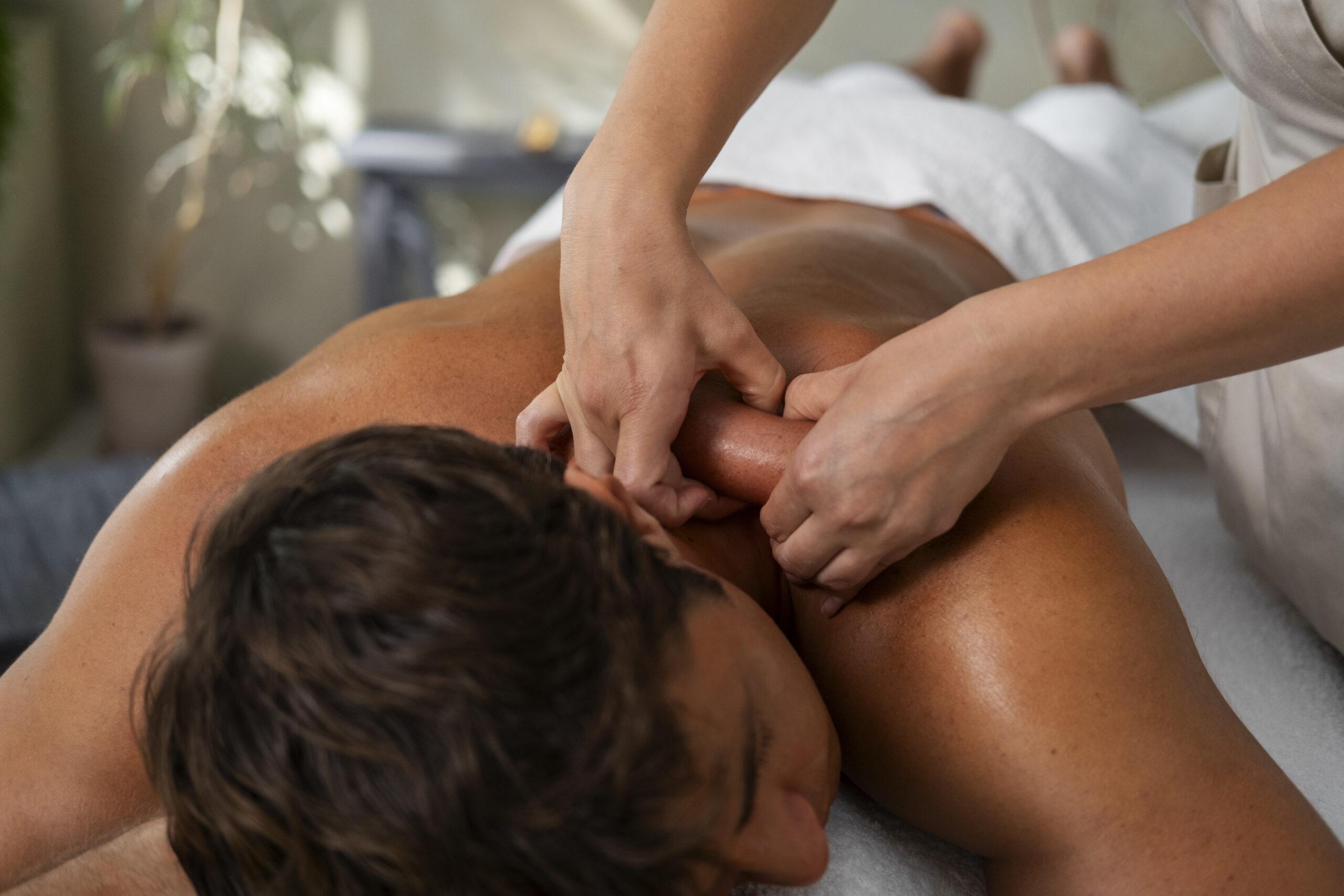
Deep tissue massage is widely recognized today for alleviating chronic pain, reducing muscle stiffness, and aiding the body in recovering from stress and injury. But this powerful therapy did not appear overnight. The History of Deep Tissue Massage is rooted in ancient healing traditions and has evolved over thousands of years into the modern treatment we experience today. Understanding deep tissue massage, where it comes from helps us appreciate why it works so well for both the body and mind.
At Mali Healing Spa NYC, we can expect modern deep tissue techniques to be applied with respect for these long-standing traditions, combining ancient wisdom with today’s therapeutic knowledge.
Origins in Western and Eastern Practices
The roots of deep tissue massage can be traced back thousands of years across different cultures. Early healers understood that working deeply into the muscles could help relieve pain, restore movement, and improve overall health.
Eastern Traditions
In Eastern cultures, massage was closely connected to energy flow and balance. In China, records of massage therapy date back over 2,000 years. Techniques focused on pressing and stretching muscles to remove blockages and support the body’s natural healing process. These early forms of traditional massage therapy aimed to improve circulation and restore harmony within the body.
In India, Ayurvedic practices used deep, slow strokes with herbal oils to relax tight muscles and calm the nervous system. These methods were not just about relaxation but also about preventing illness and keeping the body strong.
Western Traditions
In Western medicine, ancient Greek and Roman physicians also recognized the value of deep muscle work. Hippocrates, often called the father of medicine, wrote about using friction and pressure to treat physical injuries. Roman athletes regularly received massage to reduce muscle soreness and stay in peak condition.
These early Western techniques laid the foundation for using massage as a physical therapy tool, especially for injury care and muscle recovery.
Evolution of Massage for Injury Recovery
As societies advanced, massage therapy became more structured and focused on healing injuries. This period played a key role in shaping the Deep Tissue Massage History we recognize today.
During the 19th century, European therapists began studying how muscles and connective tissues respond to pressure. Swedish massage techniques were developed during this time, emphasizing anatomy and muscle structure. While Swedish massage is lighter, it influenced deeper methods used for injury recovery.
Physical therapists soon realized that deeper pressure was needed to treat chronic muscle pain, scar tissue, and limited movement. Massage became a valuable tool for people recovering from accidents, surgeries, and repetitive strain injuries.
Over time, therapists refined their approach, learning how to safely reach deeper muscle layers without causing harm. This evolution marked a shift from general relaxation to targeted therapeutic work.
The Rise of Modern Deep Tissue Massage

The 20th century brought scientific research into massage therapy. Doctors and therapists studied how deep pressure affects blood flow, muscle tension, and pain signals. This research helped turn massage into a respected part of healthcare.
Modern deep tissue massage focuses on slow, controlled strokes that reach deep muscle layers and connective tissue. Unlike surface-level relaxation massage, it targets the root cause of pain and stiffness. Therapists use their hands, forearms, and elbows to release tight areas and improve movement.
Today, deep tissue massage is commonly used for:
- Chronic back and neck pain
- Sports injuries and muscle strains
- Postural problems
- Stress-related muscle tension
- Recovery after intense physical activity
At Mali Healing Spa NYC, therapists apply these modern techniques with care, adjusting pressure based on each client’s comfort and needs.
Modern Clinical Applications
In recent years, deep tissue massage has become widely accepted in clinical and wellness settings. Many healthcare providers now recommend it as part of a complete treatment plan.
Hospitals, physical therapy centers, and wellness clinics use deep tissue massage to support recovery and long-term health. It is often combined with stretching, exercise, and other therapies for better results.
The growing acceptance of massage therapy reflects how far it has come. What began as ancient healing practices has become a trusted method backed by experience and research.
Why Deep Tissue Massage Still Matters Today
The lasting importance of deep tissue massage addresses both physical and mental stress. Modern life often leads to poor posture, long hours of sitting, and high stress levels. Deep tissue massage helps release built-up tension that the body holds over time.
By understanding Deep Tissue Massage, we see that this therapy has always been about restoring balance and supporting natural healing. Its long journey from ancient cultures to modern clinics proves its value and effectiveness.
Key Takeaways
- Deep tissue massage has roots in both Eastern and Western healing traditions
- Ancient cultures used deep pressure to improve health and reduce pain
- Massage evolved to focus on injury recovery and muscle repair
- Modern deep tissue massage is based on anatomy and therapeutic science
Today, it is widely used for pain relief, stress reduction, and recovery
Final Thoughts
The story of deep tissue massage is a journey through time—one that blends ancient wisdom with modern therapy. From early healing traditions to today’s advanced techniques, the Deep Tissue Massage History shows how powerful touch can be when guided by knowledge and care. At Mali Healing Spa NYC, this rich history lives on through personalized treatments designed to help you feel better, move freely, and restore balance to your body.
Frequently Asked Questions (FAQs)
What makes deep tissue massage different from regular massage?
Deep tissue massage works on deeper muscle layers using slow, firm pressure. It focuses on pain relief and muscle recovery rather than just relaxation.
Is deep tissue massage painful?
Some discomfort is normal, especially in tight areas, but it should never be unbearable. A skilled therapist will always adjust pressure to your comfort level.
How often should I get a deep tissue massage?
This depends on your lifestyle and needs. Some people benefit from monthly sessions, while others with chronic pain may need more frequent visits.
Can deep tissue massage help with old injuries?
Yes, it can help break down scar tissue, improve movement, and reduce long-term muscle stiffness from past injuries.
Is deep tissue massage suitable for everyone?
Most people can benefit, but those with certain medical conditions should consult a healthcare provider before booking a session.

Related Posts

How Deep Tissue Massage Works for Reducing Neck and Upper Back Tension from Desk Jobs

Is Deep Tissue Massage Exactly What Your Muscles Need for Pain Relief and Recovery?