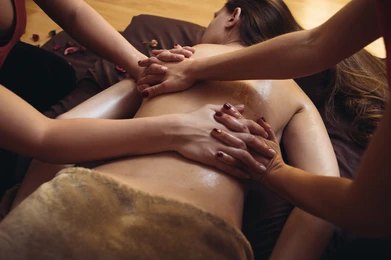
Choosing between different massage styles can feel confusing, especially if you are not sure how each one actually feels during a session. Both options can ease muscle tension and calm the mind, but the overall experience is very different depending on how the therapy is performed. When people start comparing four hands massage vs a traditional massage, they are usually trying to understand how rhythm, pressure, and therapist involvement change the session.
At Mali Healing Spa NYC, guests can explore a variety of massage styles, including Four Hands Massage NYC, along with sessions designed for deeper relaxation or focused muscle work in a peaceful Midtown setting. When comparing these options, it helps to understand how they are performed, who they may suit best, and what you can expect during the session.
Blog Objective
This blog explains the differences between four-hand massage and traditional massage, helping readers understand how each session works and which experience may suit their body and comfort level.
Key Takeaways
- Four-hand massage involves two therapists working in sync on one client
- Traditional massage is performed by one therapist using structured techniques
- The sensation and rhythm feel very different between the two styles
- Pressure control and focus areas vary based on session design
- Choosing the right massage depends on comfort, stress levels, and muscle needs
What Is the Main Difference Between Four Hands Massage and Traditional Massage?
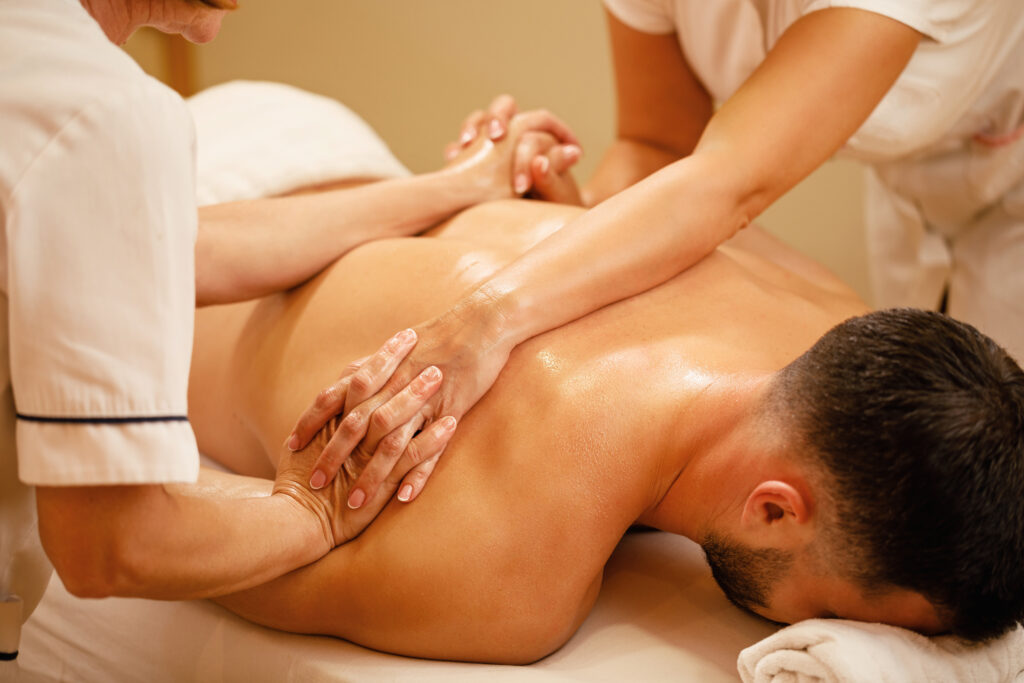
The main difference is simple. A traditional massage is performed by one therapist, while a four-hand massage involves two therapists working on the body at the same time.
In a traditional session, movements are easy to follow. Your body adjusts to the therapist’s pace and pressure. In a four-hand session, your brain often finds it harder to track both sets of movements, which can create a deeply relaxing and immersive feeling.
Understanding four-hand massage vs traditional massage begins with knowing how the body reacts to rhythm and touch. One style feels structured and focused. The other feels layered and flowing.
How Does a Traditional Massage Work?
Traditional massage, such as Swedish or deep tissue, follows a clear flow. One therapist works through muscle groups using techniques like kneading, long strokes, and targeted pressure.
Here is what you can expect in a single therapist session:
- Focused attention on specific tight areas
- Gradual buildup of pressure
- Clear communication about comfort level
- Structured progression from one body area to another
This format makes it easier to adjust pressure or spend extra time on certain muscles. Many people choose this style when they want relief from stiffness, desk posture strain, or workout soreness.
What Happens During a Four-Hand Massage?
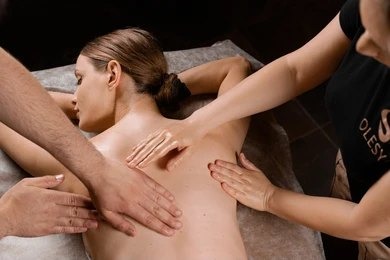
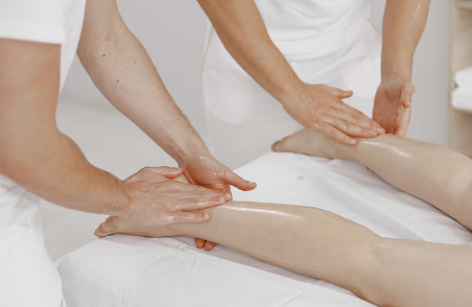
In a four-hand session, two therapists move in coordinated patterns. Their strokes often mirror each other or alternate in rhythm. The goal is to create continuous movement so the body does not anticipate the next touch.
This style is sometimes described as a synchronized massage vs regular therapy because of the matching rhythm between therapists.
Here are some features of this experience:
- Simultaneous work on the upper and lower body
- Continuous movement without long pauses
- Balanced pressure on both sides of the body
- A stronger sense of immersion
For some people, the sensation feels deeply calming because the brain cannot easily predict where the next movement will come from. Others may find it intense, especially if they are new to massage.
How Intense Is a Four Hands Massage Compared to Traditional?
When comparing four hands vs a single massage, intensity depends on coordination and pressure style.
In a single therapist session, pressure builds gradually. You can feel each stroke clearly. In a four-hand massage, the layered touch may feel fuller and more enveloping. Even moderate pressure can feel stronger because two therapists are working at once.
Here is a simple comparison:
| Feature | Traditional Massage | Four Hands Massage |
| Number of Therapists | One | Two |
| Rhythm | Steady and predictable | Coordinated and layered |
| Focus | Targeted muscle work | Full body immersion |
| Pressure Control | Easy to adjust per area | Even pressure from both sides |
| Sensory Experience | Grounded and focused | Deeply immersive |
These are some key differences in four-handed massages that shape the overall experience.
Which Option Is Better for Stress Relief?
Both styles can help reduce stress, but the sensation differs.
Traditional massage often helps people who prefer clear communication and structured muscle work. It allows the therapist to focus on knots or tension spots.
Four hands massage may feel more immersive. The layered rhythm can quiet mental chatter because your body is processing two sources of touch at once.
If you are deciding between a duo massage vs a traditional NYC experience, think about how comfortable you feel with a more sensory session compared to a focused one-on-one therapist treatment.
Is Communication Different in Each Session?
Yes, in a traditional massage, communication feels direct. You can easily guide the therapist about pressure or sensitive areas.
In a four-hand session, communication still matters, but coordination between two therapists means pressure adjustments are shared. Some clients prefer the simplicity of working with one therapist, especially during their first visit.
Who Might Prefer Traditional Massage?
Traditional massage may suit people who:
- Have specific pain points
- Want targeted muscle relief
- Prefer gradual pressure buildup
- Feel more comfortable with one therapist
It is often chosen for chronic back tension, neck stiffness, and recovery from long workdays.
Who Might Enjoy Four Hands Massage?
Four-hand massage may appeal to people who:
- Enjoy immersive bodywork
- Want a full body session without long pauses
- Are curious about synchronized techniques
- Prefer a flowing and continuous rhythm
It can feel luxurious and unique, especially for someone looking to try something different from a standard session.
Does One Style Provide Better Results?
Results depend on personal goals. If your main aim is muscle correction or focused therapy, traditional massage may feel more precise. If you want a calming, full-body sensation that engages multiple senses, four hands may feel more immersive.
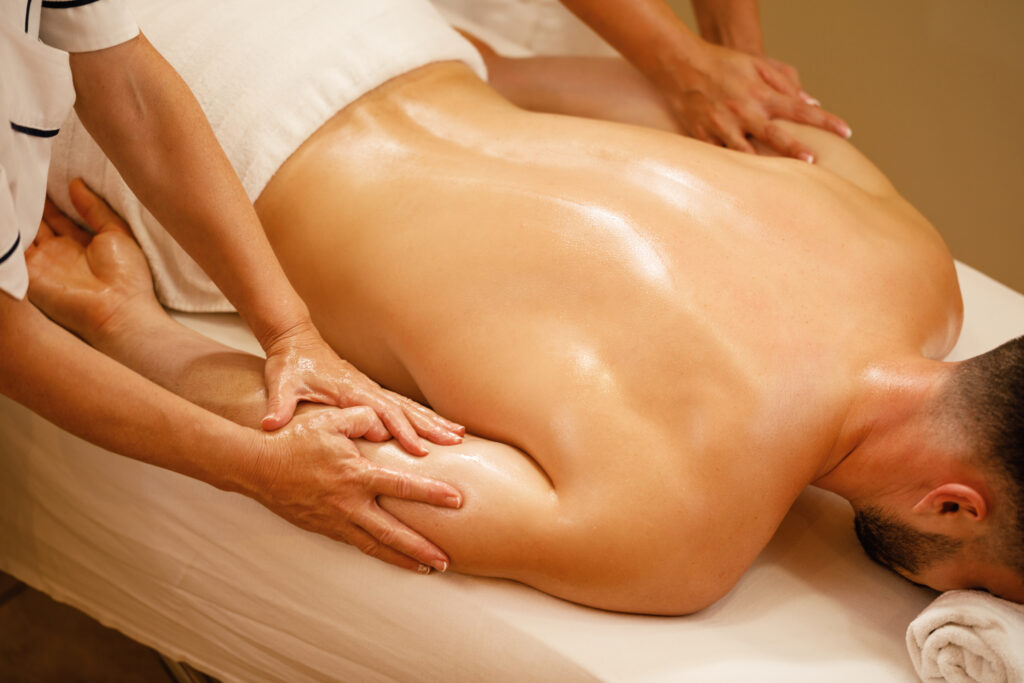
Understanding four-hand massage vs traditional massage helps you choose based on comfort rather than trend.
At Mali Healing Spa NYC, therapists offer various bodywork styles in a calm setting, allowing guests to select sessions that match their comfort level and muscle needs.
How to Decide Which Massage Is Right for You
Consider these questions:
- Do you prefer predictable pressure or layered sensation?
- Are you seeking targeted relief or overall relaxation?
- Have you experienced a massage before?
- Do you feel comfortable with two therapists working at once?
There is no universal answer. Your comfort and goals guide the choice.
Many guests at the Mali healing Spa NYC explore traditional massage first and later try four hands sessions once they feel familiar with the setting and techniques.
Frequently Asked Questions
1. Is a four hands massage twice as strong as a traditional massage?
Not necessarily. Pressure depends on the therapists and your preference. The layered movement can feel fuller, but it does not always mean stronger pressure.
2. Is four hands massage nyc suitable for first-time clients?
It can be, but some first-time clients prefer starting with a single therapist session to understand how their body responds.
3. Does traditional massage focus more on pain relief?
Yes, it often allows more targeted work on tight muscles or specific discomfort areas.
4. Is communication harder in a four-hand session?
You can still communicate, but adjustments involve both therapists working together.
5. Which massage lasts longer?
Session length depends on the booking choice. Both styles are available in different time durations.
Final Thoughts
When comparing these two styles, the key difference lies in rhythm, structure, and sensory experience. One therapist offers focused and controlled muscle work. Two therapists create layered, synchronized movement that feels immersive and fluid.
Understanding your comfort level and body needs makes the decision easier. Whether you prefer a single therapist session or want to explore coordinated bodywork, learning about the differences helps you choose confidently.
By exploring options like those available at Mali Healing Spa NYC, you can experience how each massage style feels and decide which one fits your relaxation and recovery goals best.

Related Posts
Can Four-Hand Massage Help You Relax Faster Than Traditional Massage?
Is 4 Hand Massage Good for Muscle Recovery? Expert Insights