
Choosing the right type of massage can feel confusing, especially when both options promise deep muscle relief. Ashiatsu vs Deep Tissue Massage are two popular techniques designed to ease tension, improve mobility, and support long-term muscle health. While they share similar goals, the way they deliver pressure and how the body responds can feel quite different.
At Mali Healing Spa NYC, clients can experience both traditional deep tissue massage and barefoot Ashiatsu techniques performed by trained therapists in a calm Midtown Manhattan setting. Their sessions focus on steady pressure, proper body alignment, and muscle recovery without unnecessary discomfort.
To understand which technique may suit you better, it helps to look closely at how each method works and what kind of relief it offers.
This blog explains the differences between Ashiatsu and deep tissue massage, compares their benefits, and helps readers understand which method may suit their muscle tension and comfort level.
Key Takeaways
- Ashiatsu uses barefoot pressure, while deep tissue uses hands, elbows, and forearms
- Both techniques aim to reduce muscle tension and chronic tightness
- Pressure distribution feels different in each method
- Personal comfort and pain tolerance influence the right choice
- Consulting trained therapists ensures safer and more effective sessions
What Is Deep Tissue Massage?
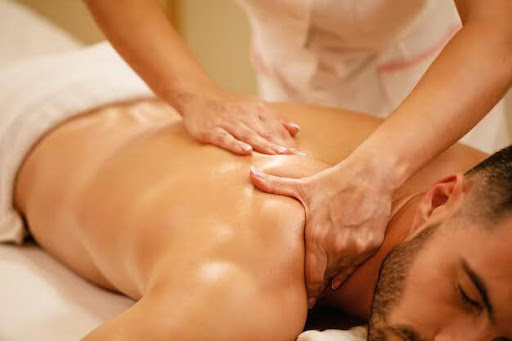
Deep tissue massage focuses on reaching deeper muscle layers using hands, knuckles, elbows, and forearms. Therapists apply slow strokes and targeted pressure to break down tight muscle knots.
This method is often chosen for:
- Chronic muscle tension
- Postural strain from desk work
- Sports-related soreness
- Stiff neck and shoulder discomfort
Pressure can feel intense at times because the therapist works directly on specific tension points. Some people prefer this focused sensation, especially when tightness is localized.

What Is Ashiatsu Massage?
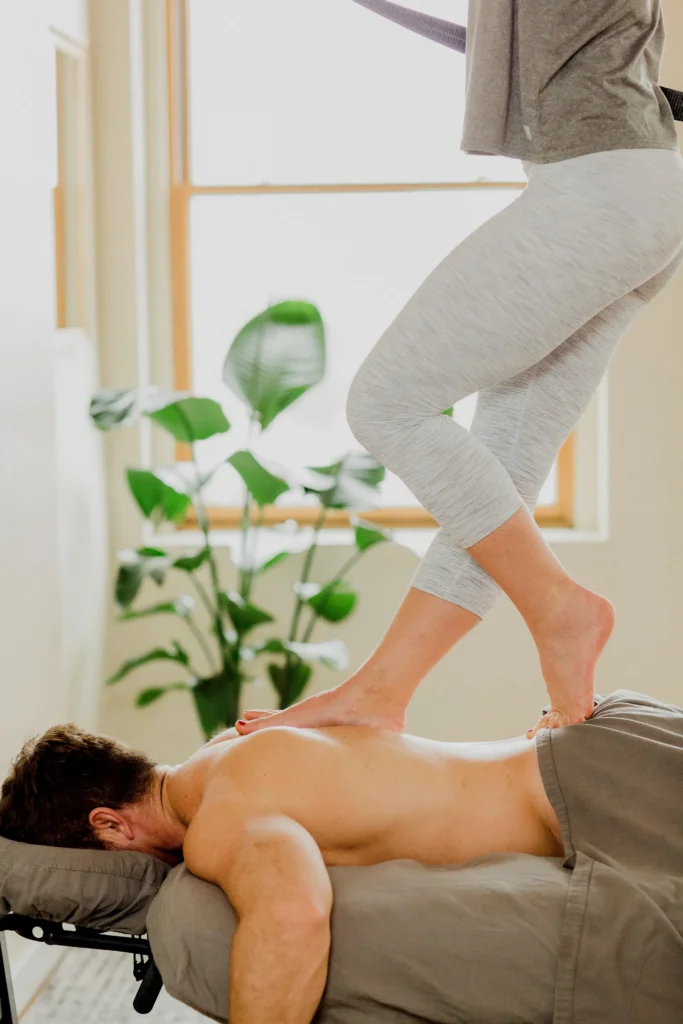
Ashiatsu is a barefoot massage technique where the therapist uses their feet to apply controlled pressure while holding overhead bars for balance. The pressure is broad and evenly distributed across large muscle groups.
Instead of sharp or pointed pressure, the sensation feels steady and gliding. This allows muscles to relax gradually.
Many individuals searching for barefoot massage vs deep tissue comparisons notice that Ashiatsu often feels firm but less poking than elbow-based deep tissue work.
Because the foot covers more surface area, it can release widespread tension across the back more smoothly.
Ashiatsu vs Deep Tissue Massage: Key Differences
When exploring ashiatsu vs deep tissue massage, it helps to look at how each technique delivers pressure and how the body responds.
| Feature | Ashiatsu Massage | Deep Tissue Massage |
| Pressure Tool | Therapist’s feet | Hands, elbows, forearms |
| Pressure Style | Broad and even | Targeted and focused |
| Sensation | Firm yet smooth | Intense and specific |
| Best For | Large muscle groups | Isolated tension points |
| Recovery Feeling | Relaxed and lengthened | Loosened but sometimes sore |
This table highlights why personal preference plays an important role.
Which One Is Better for Chronic Pain?
The answer depends on the type of discomfort you experience.
Deep tissue massage may be helpful if you have very specific, tight spots that require focused attention. On the other hand, Ashiatsu may feel more comfortable if your tension spreads across the entire back or lower body.
When researching ashiatsu versus deep tissue massage, it’s evident that neither technique is universally superior. It depends on muscle density, pain sensitivity, and desired pressure style.
Many people report noticing certain ashiatsu benefits over deep tissue, particularly when they prefer sustained pressure rather than sharp, concentrated strokes.
Pressure Experience and Muscle Response
One of the biggest differences lies in how pressure is delivered.
Deep Tissue Pressure
- Focuses on small areas at a time
- May feel intense during treatment
- Can leave mild soreness afterward
Ashiatsu Pressure
- Covers larger muscle areas
- Feels steady and gliding
- Often results in a deep stretch sensation
Because Ashiatsu uses body weight in a controlled way, therapists can maintain consistent pressure throughout the session.
Who Should Choose Deep Tissue?
Deep tissue may be suitable if you:
- Experience tight knots in specific areas
- Prefer focused manual pressure
- Want shorter bursts of intense work
Athletes and individuals recovering from repetitive strain sometimes prefer this targeted method.
Who Should Choose Ashiatsu?
Ashiatsu may work well if you:
- Have broad back tension
- Prefer smoother pressure
- Want deep work without sharp elbow sensation
Those comparing a deep tissue vs ashiatsu NYC comparison often notice that comfort level and muscle response differ from person to person.
At Mali Healing Spa NYC, therapists guide clients through both techniques and adjust pressure based on comfort and muscle condition.
Is One More Relaxing Than the Other?
Relaxation depends on how your body responds to pressure. Some people relax deeply under broad, gliding Ashiatsu strokes. Others feel relief when focused knots are addressed with deep-tissue techniques.
In many cases, the difference between ashiatsu and deep tissue massage becomes clearer after experiencing both methods. Trying each style allows you to identify which feels more supportive for your body.
Safety and Communication
Regardless of the method, communication is essential. Inform your therapist about:
- Existing injuries
- Pain tolerance
- Medical conditions
- Areas to avoid
Trained professionals ensure pressure remains safe and effective throughout the session.
At Mali Healing Spa NYC, therapists are experienced in traditional Thai and therapeutic techniques that prioritize client comfort and proper alignment.
Conclusion
Choosing between Ashiatsu and deep tissue massage comes down to personal comfort, pressure preference, and the type of muscle tension you experience. Both techniques aim to reduce tightness and support muscle health, but they differ in how pressure is applied and how the body responds.
Understanding these differences helps you select the method that aligns best with your needs. With experienced therapists and a calm environment, Mali Healing Spa NYC offers both techniques to help clients explore what works best for their bodies. Book Your Massage Online Today.
Which massage is better for lower back pain?
It depends on whether the pain is widespread or concentrated in specific areas. Broad tension may respond well to Ashiatsu, while targeted knots may benefit from deep tissue.
Can I combine both techniques in one session?
Some therapists may combine techniques depending on your needs. Always discuss preferences before the session begins.
How often should I get either massage?
Frequency depends on muscle condition and lifestyle. Many clients schedule sessions every two to four weeks.
Is there downtime after these massages?
Mild soreness may occur after deep tissue work. Ashiatsu often leaves a stretched and relaxed feeling, but experiences vary.

Related Posts
Deep Tissue Massage for Desk Job Pain: NYC Office Worker’s Guide
Deep Tissue Massage Myths: Does It Have to Hurt to Work?