Traditional Thai Massage: Embrace the Art of Ancient Healing
Traditional Thai massage, a time-honored practice with deep roots in ancient Thai medicine and Buddhist philosophy, is celebrated for its holistic approach to wellness. Combining elements of acupressure, yoga, and meditation, this therapeutic technique provides a unique way to enhance physical health and mental well-being. This comprehensive guide will delve into what traditional Thai massage is, explore its numerous benefits, address whether it can be painful, and answer some frequently asked questions to help you make the most of this ancient practice.
A 2,500-Year Lineage — and How It Differs from Western Massage
Traditional Thai massage traces back roughly 2,500 years to Jivaka Kumar Bhaccha, the physician to the Buddha, whose blend of Ayurvedic medicine and assisted yoga became the foundation of the practice still taught in Thailand today. That lineage is why an authentic session feels so different from a Western spa treatment.
Unlike Swedish or deep tissue massage, traditional Thai massage uses no oils — you stay fully clothed in loose garments while your therapist uses rhythmic compression, acupressure along the body’s Sen energy lines, and assisted stretching often described as “passive yoga.” If you’re deciding between styles: choose a Swedish massage when you want gliding, oil-based relaxation — choose traditional Thai when you want to leave feeling stretched, realigned, and energized.
What is Traditional Thai Massage?
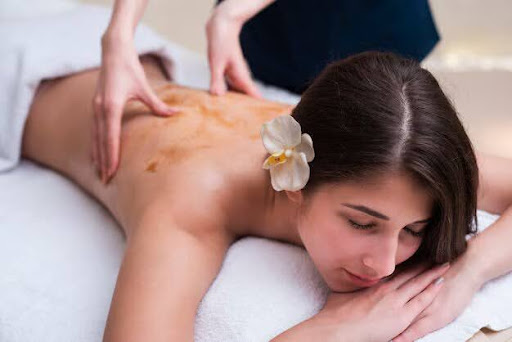
Traditional Thai massage, also known as Thai yoga massage, is an ancient healing art that has been practiced in Thailand for over 2,500 years. This massage technique is deeply influenced by Indian medicine, Thai herbal practices, and Buddhist principles. It involves a series of stretching, rhythmic compression, and pressure applied along specific energy lines known as “Sen lines.”
Unlike Western massage therapies that often focus on superficial muscle relaxation, traditional Thai massage works on deeper layers of the body. The practice is performed on a mat or futon on the floor, with the recipient fully clothed in loose, comfortable attire. The massage therapist uses their hands, thumbs, elbows, knees, and feet to apply pressure and guide the recipient through a sequence of stretches and movements.
Benefits of Traditional Thai Massage
Traditional Thai massage offers a wide range of benefits, making it a popular choice for those seeking a holistic approach to wellness. Here are some of the key advantages:
Authentic Thai Massage in the Heart of Midtown Manhattan
Mali Healing Spa has been Midtown Manhattan’s home for authentic Traditional Thai massage since 2022. You’ll find us at 315 Madison Avenue, on the 25th floor — just steps from Grand Central and a short walk from Penn Station, an easy reset for commuters, office professionals, and anyone exploring NYC. Our skilled Thai therapists practice the true art of ancient Thai bodywork — rhythmic compression, assisted stretching, and pressure-point therapy — earning a 4.9-star rating from over 175 guests. Looking for something specific? Explore our massage near Grand Central & Penn Station, our Thai & Asian massage in Midtown, or browse all our massage services in NYC.
Where can I get authentic Thai massage in NYC?
Mali Healing Spa is located at 315 Madison Avenue, 25th floor, in the heart of Midtown Manhattan — just steps from Grand Central and a short walk from Penn Station. We’re open every day from 10:30 AM to 9 PM, with walk-ins welcome and easy online booking.
How much is a Thai massage in NYC?
A 60-minute Traditional Thai massage at Mali Healing Spa is $145, with sessions ranging from 30 to 120 minutes (starting at $80). We recommend booking ahead to secure your preferred time, though walk-ins are always welcome.
What should I wear for a traditional Thai massage?
For a traditional Thai massage, it is recommended to wear loose, comfortable clothing that allows for ease of movement. The massage is performed with the recipient fully clothed, so avoid tight or restrictive clothing. Loose-fitting attire will enable you to fully benefit from the stretches and movements.
Is traditional Thai massage suitable for everyone?
Traditional Thai massage is generally suitable for most people, but it may not be recommended for individuals with certain medical conditions or injuries. If you have any health concerns, such as recent surgeries, severe osteoporosis, or specific musculoskeletal issues, consult with your healthcare provider before receiving a Thai massage. Inform your therapist of any pre-existing conditions to ensure a safe and effective treatment.
How often should I get a traditional Thai massage?
The frequency of traditional Thai massage sessions varies based on individual needs and health goals. Some people may benefit from weekly or bi-weekly sessions, while others may prefer occasional treatments for relaxation and maintenance. Your therapist can provide personalized recommendations based on your specific needs and response to the therapy.
Can traditional Thai massage be combined with other treatments?
Yes, traditional Thai massage can be effectively combined with other therapeutic treatments, such as chiropractic care, physical therapy, or aromatherapy. It is important to communicate with both your Thai massage therapist and other healthcare providers to ensure that the treatments complement each other and support your overall health and well-being.
Is Thai massage suitable for seniors or people with arthritis?
Often yes, with adjustments. Our therapists slow the pace, soften the stretches, and work around sensitive joints. Many older guests find the gentle assisted stretching helps with stiffness. If you have severe osteoporosis, a recent injury, or your doctor has advised against massage, please check with them first and let us know so we can tailor the session.