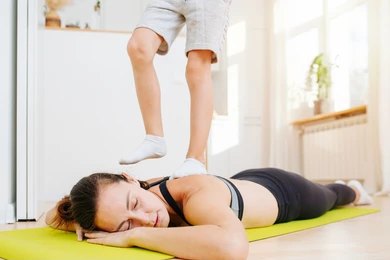
Back walking massage is often a strong fit for athletes who want deeper recovery and for desk workers who want relief from tight hips, stiff backs, and screen-posture tension. The pressure is deep, but it spreads across a wider area, so many people find it easier to relax into it compared to sharp elbow work.
If you are searching for a back walking massage for athletes and desk workers in NYC, there are a few strong options in Midtown Manhattan worth exploring. Mali Healing Spa NYC offers barefoot massage and traditional Thai massage, with therapists who adjust pressure carefully so sessions feel deep and effective without turning into a painful experience.

Blog Objective
This blog explains how back walking massage supports athletes and desk workers in NYC by easing tight muscles, improving mobility, and supporting recovery, plus what to expect, safety notes, and booking timing.
Key Takeaways
- Back walking massage uses controlled barefoot pressure to release deep tension
- Athletes may use it to support training recovery and mobility
- Desk workers may use it to reduce stiffness from long sitting hours
- Pressure often feels broad and steady rather than poking
- The right results come from good technique and clear communication
What Is Back Walking Massage?
Back walking massage is often linked to Ashiatsu, a barefoot technique where a therapist uses their feet while holding overhead bars for balance and control. Because the foot covers more surface area than hands or elbows, pressure can feel firm but smooth.
This technique is often used on large muscle groups, especially the back, glutes, and hips. That is why it fits two common NYC lifestyles so well: intense workouts and long desk hours. The strokes tend to be slow and consistent, which helps muscles soften gradually instead of tightening up.
Why Athletes Use It for Recovery
Athletes often train hard and recover too little. Over time, muscles can feel dense and “stuck,” especially in the hips, lower back, hamstrings, and upper back. Back walking massage can help release that deep tightness and support better movement in training.
Many people look up ashiatsu massage in NYC because they want deep pressure that still feels controlled. The broad pressure helps work through large muscle areas without feeling like one sharp spot is being pressed over and over.
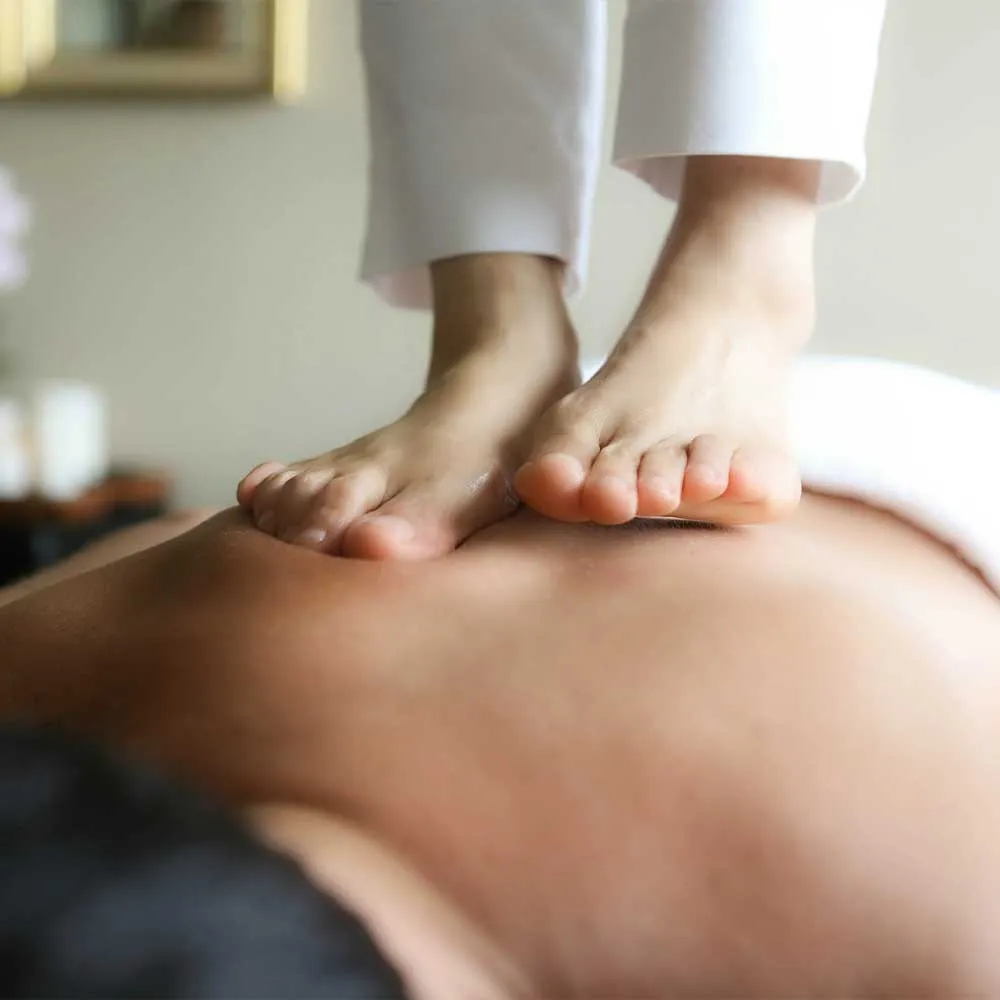
Here are common ways it helps athletes:
- Reduces stiffness after heavy training days
- Helps hips and glutes loosen, which can support better stride and squat depth
- Eases upper back tension from lifting and repetitive movement
- Helps the body relax so recovery feels easier
If you train often, the goal is not only comfort. It is also a movement quality. When you move better, you often train better.
Why Desk Workers Benefit Too
Desk work can tighten the body in predictable ways. Sitting for hours can shorten hip flexors, compress the lower back, and stiffen the mid-back. Phone and laptop posture can pull the head forward and tighten the shoulders.
That is why back walking massage desk job pain is such a common search. Many people feel fine in the morning, then stiff by late afternoon. The tightness builds quietly, day after day.
Back walking massage can target the areas desk workers struggle with most:
- Lower back and glutes
- Hips and hip flexors
- Mid-back and shoulder blades
- Upper traps and neck area
When those areas release, posture can feel easier to hold. Walking can feel smoother, and even workouts can feel less restricted.
Back Walking Massage vs Deep Tissue: What Feels Different?
Deep tissue massage often uses hands, elbows, and forearms to work specific knots. Back walking massage uses the feet to deliver pressure across broader muscle zones. Many people find the barefoot pressure easier to tolerate because it is less poking and more evenly distributed.
Here is a simple comparison:
| Feature | Back Walking Massage | Deep Tissue Massage |
| Pressure tool | Feet | Hands, elbows, forearms |
| Pressure feel | Broad and steady | Targeted and intense |
| Best for | Widespread tension across the back and hips | Focused knots in specific areas |
| Common after-feel | Looser movement, less compression | Relief in knots, sometimes tender spots |
| Comfort style | Deep but smoother | Deep and sometimes sharper |
This table is not meant to “rank” them. It is meant to help you choose based on what your body can relax into.
What Happens During a Session?
A session usually starts with a quick check-in. You share where you feel tight, what kind of pressure you prefer, and whether you have any injuries.
During the barefoot portion, the therapist uses overhead bars for balance and control. Pressure is adjusted throughout. If something feels too intense, you say so right away. A good session never requires you to endure sharp pain.
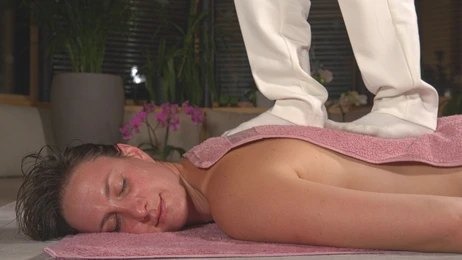
In Midtown, many clients search for barefoot massage for office workers in Manhattan because they want deep relief without feeling bruised. The broad pressure style can be a better fit for people who want deep work but dislike elbows.
At Mali Healing Spa NYC, therapists tailor sessions to your comfort level and muscle condition, which is especially useful if your tightness changes week to week.
Best Areas to Target for Each Group
For athletes
Athletes often benefit from deeper work on:
- Glutes and hips
- Hamstrings and calves
- Lower back
- Upper back and shoulders
For desk workers
Desk workers often need extra attention on:
- Lower back
- Hips and glutes
- Mid-back and shoulder blades
- Upper traps and neck region
These areas are not random. They are the common places where repeated movement or repeated posture stores tension.
How Often Should You Book?
Your schedule depends on how quickly tightness returns and how intense your routine is.
Many people follow patterns like these:
- Heavy training blocks: every 2 to 3 weeks
- Moderate training: once a month
- Daily desk stiffness: every 3 to 4 weeks
- Occasional tightness: once a month or as needed
Near the end of tough training phases, some athletes look into ashiatsu for muscle recovery because steady barefoot pressure can help the body feel less tight without sharp pressure points.
Safety Notes: When to Avoid It
Back walking massage may not be recommended if you have:
- Severe osteoporosis
- Recent spinal surgery
- Acute disc injury or severe nerve symptoms
- Certain heart or circulation concerns
If you are unsure, check with a medical professional first. During the session, speak up if you feel sharp pain, tingling, or numbness.
What Results You May Notice First
Most people notice small changes first:
- Your back feels less compressed when you stand up
- Your hips feel freer when walking
- Your shoulders drop without effort
- Your body feels lighter after long sitting or training
This is where the keyword fits naturally: many people looking for a back walking massage for athletes and desk workers in NYC are really looking for one thing, a body that moves more easily after the stress of NYC life.
Conclusion
Back walking massage can support athletes who want looser movement and desk workers who want relief from sitting stiffness. The key is steady pressure, good technique, and clear feedback during the session. If you are exploring barefoot massage options in Midtown Manhattan, Mali Healing Spa NYC offers sessions that can be adjusted based on your comfort, tension level, and daily routine.
Want your back, hips, and shoulders to feel lighter after workouts or long desk days? Book a session at Mali Healing Spa NYC and experience deep, steady barefoot pressure designed for real muscle relief.
Frequently Asked Questions
1) Is a back walking massage safe if I have never tried deep pressure?
For many people, yes. Start with moderate pressure and communicate during the session so the therapist can adjust.
2) Can it help with tight hips and low back stiffness from sitting?
It can, since hips and glutes often hold tension from prolonged sitting and limited movement.
3) Can athletes book it the day after a hard workout?
Many do. If you are very sore, ask for lighter pressure so your body can relax without guarding.
4) Will I feel sore afterward?
Some people feel mild soreness if their muscles are very tight. Many feel looser within a day, especially if they hydrate and move gently.
5) How do I know if the pressure is too much?
If you feel sharp pain, start tensing up, or hold your breath, tell the therapist right away so the pressure can be reduced.

Related Posts