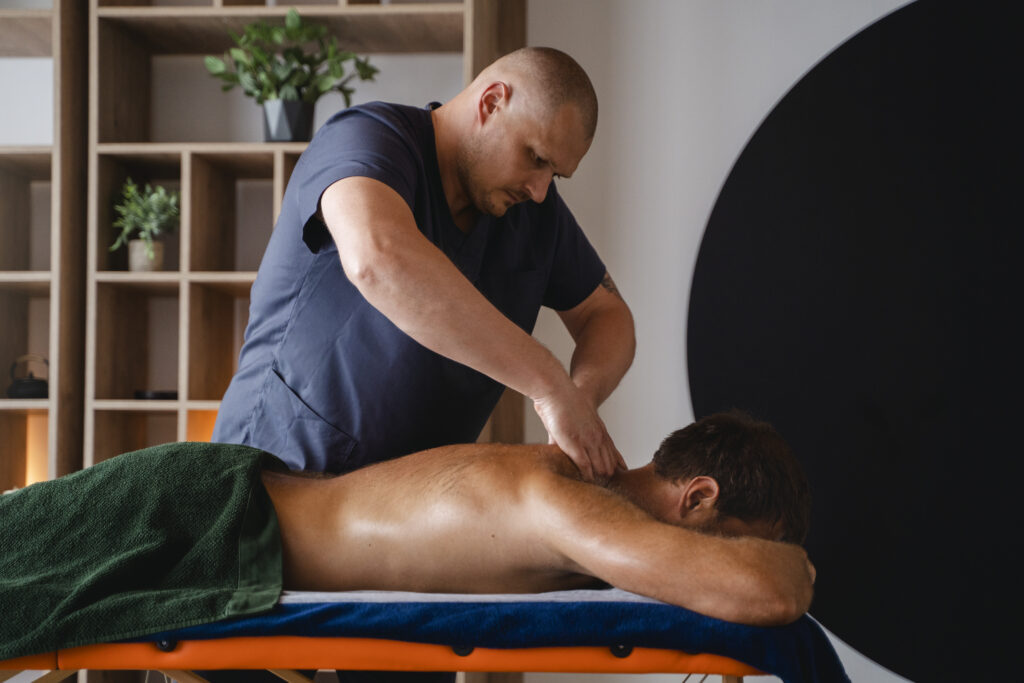
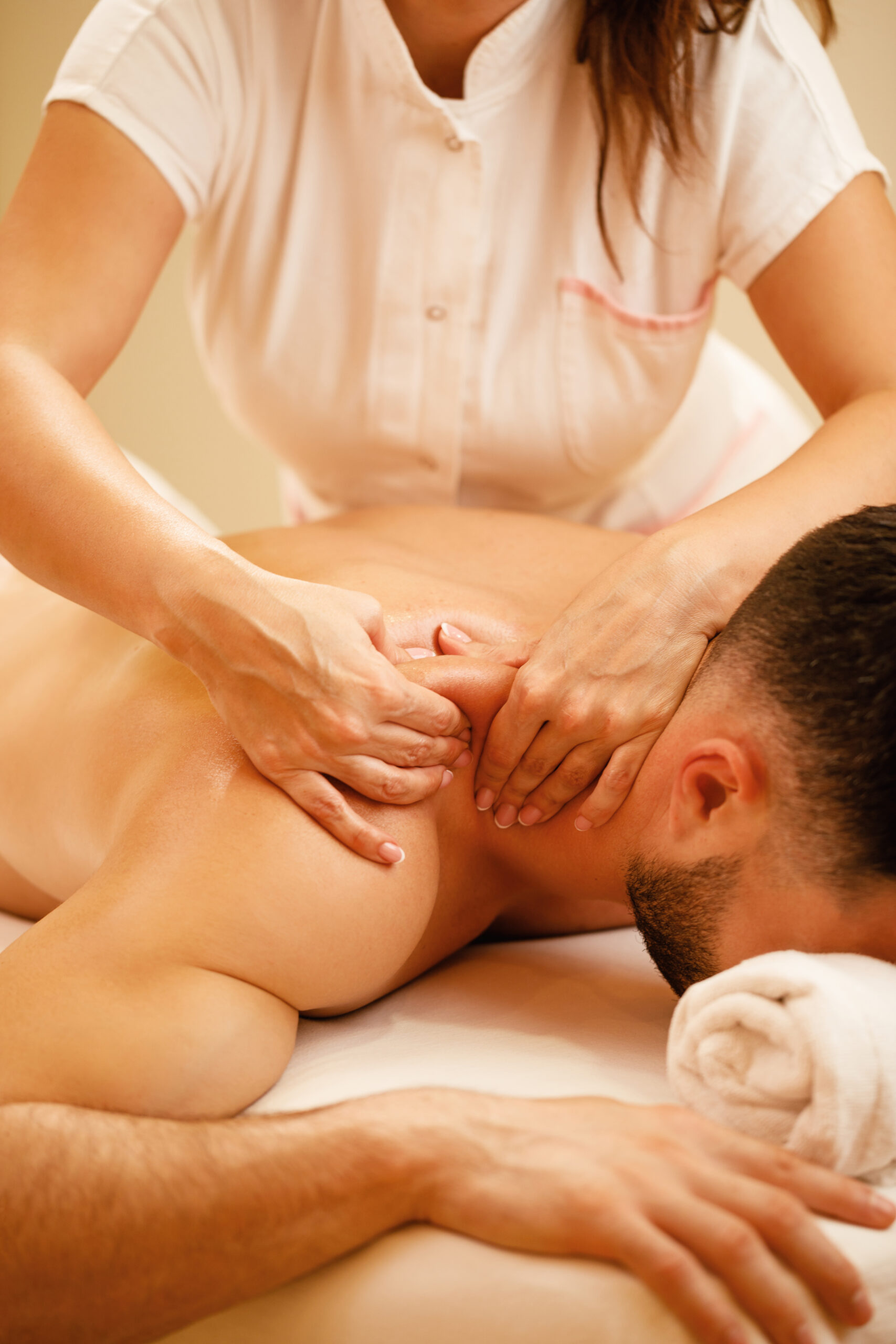
Ever wondered if giving a massage feels like a workout? Many people assume massage therapy is only relaxing, but for the therapist, it involves constant movement and physical effort.
Calories burned in massage therapist sessions can range from 150 to 300 calories per hour, depending on the technique, pressure, and duration. While it may not look intense, it requires strength, endurance, and control.
Did you know that massage therapists often use their entire body, not just their hands, during a session? This includes shoulders, core, and even legs, making it more physically active than most people expect.
At Mali Healing Spa NYC, therapists are trained in techniques that balance effort and efficiency, allowing them to deliver effective treatments while maintaining proper body movement and posture throughout each session.
Blog Objective
This blog explains how many Calories Burned in Massage Therapist sessions, what affects energy use, how different techniques compare, and why massage therapy can feel physically demanding over time.
Key Takeaways
- Massage therapists can burn 150 to 300 calories per hour, depending on technique
- Full-body movement and pressure contribute to energy use
- Deeper techniques require more effort than gentle massages
- Session length and frequency affect total calorie burn
- Massage therapy involves controlled physical work similar to light exercise
Why Do Massage Therapists Burn Calories?
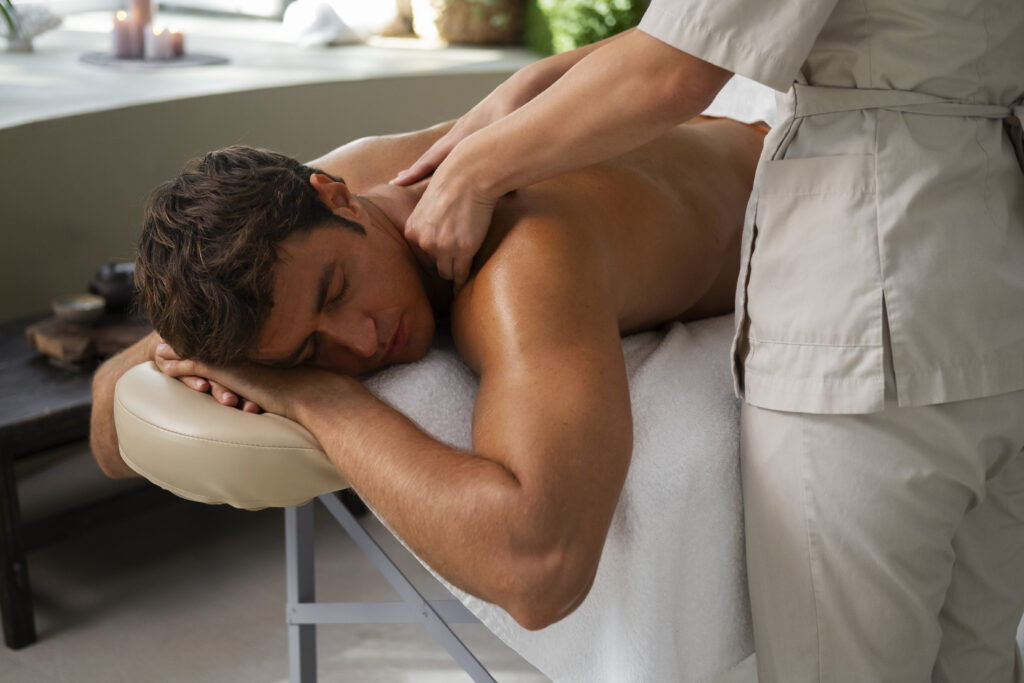
Massage therapy is not just about hand movement. It involves coordinated body motion and consistent effort throughout the session.
Here’s why it burns energy:
- Therapists use arms, shoulders, and core muscles continuously
- Standing for long periods increases physical demand
- Applying pressure requires controlled strength
- Repetitive motion adds to muscle activity
Even in slower sessions, the body stays active the entire time. This is why therapists often feel physically engaged after multiple sessions in a day.
How Many Calories Are Burned Per Session?
The number of calories burned depends on session length and intensity.
Here’s a simple breakdown:
| Session Duration | Estimated Calories Burned |
| 30 minutes | 75 to 150 calories |
| 60 minutes | 150 to 300 calories |
| 90 minutes | 225 to 450 calories |
This level of activity is similar to light exercise, such as walking or gentle yoga. While it may not replace a workout, it still requires steady energy use.
What Affects Calorie Burn in Massage Therapy?
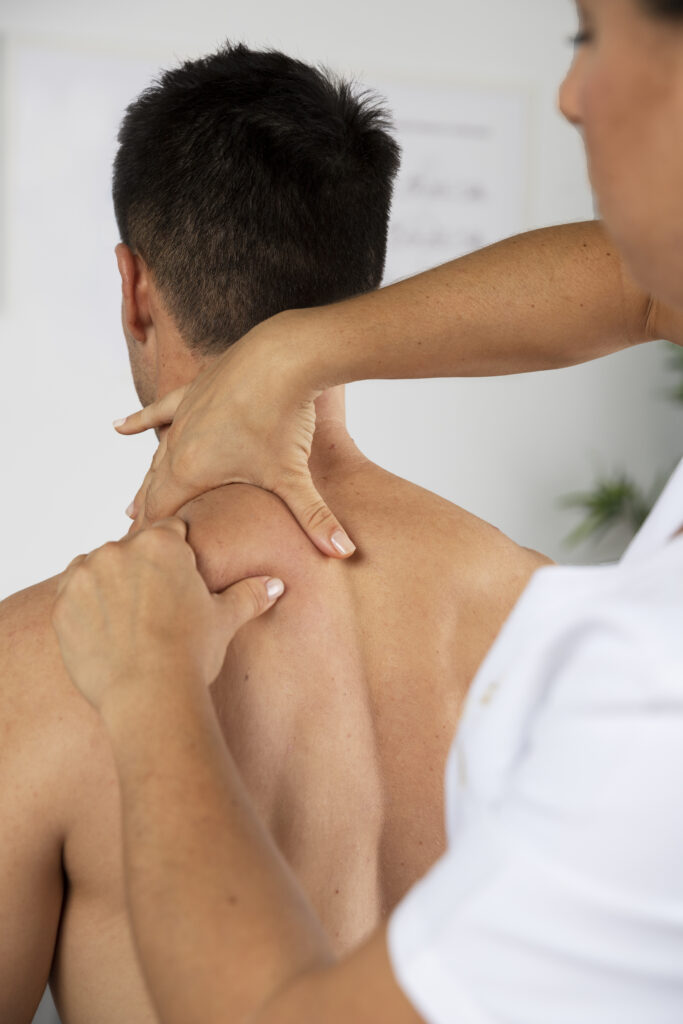
Not every massage session burns the same number of calories. Several factors influence how much energy is used.
Key factors include:
- Type of massage being performed
- Pressure level applied during the session
- The therapist’s body weight and strength
- Duration of the session
- Number of sessions performed in a day
For example, therapists working in busy areas like massage midtown nyc locations may perform multiple sessions daily, which increases total energy use over time.
Which Massage Types Burn the Most Calories?
Different techniques require different levels of effort. Some involve deeper pressure or full-body movement, which increases calorie burn.
| Massage Type | Calorie Burn Level | Reason |
| Deep Tissue Massage | High | Requires strong pressure and slow, controlled movement |
| Sports Massage | High | Involves stretching and active engagement |
| Thai Massage | Moderate to High | Uses full-body movement and assisted stretching |
| Swedish Massage | Moderate | Continuous but lighter strokes |
| Aromatherapy Massage | Low to Moderate | Gentle pressure with slower pace |
Therapists trained in Thai massage techniques in NYC often utilize their entire bodies during sessions, which enhances movement and energy expenditure compared to more passive styles.
Is Being a Massage Therapist Physically Demanding?
Yes, massage therapy can be physically demanding, especially when multiple sessions are performed in a day.

It involves:
- Repetitive motion across different muscle groups
- Sustained pressure on specific areas
- Long periods of standing and movement
- Maintaining proper posture to avoid strain
This is why professional training focuses not only on technique but also on body mechanics to prevent fatigue and discomfort.
How Does Massage Therapy Compare to Exercise?
Massage therapy involves steady movement and muscle engagement, but it is not the same as structured exercise.
It can be compared to:
- Brisk walking
- Light strength training
- Gentle yoga sessions
While it supports daily activity levels, it does not replace dedicated workouts for fitness or weight loss.
Tips Therapists Use to Avoid Fatigue
To manage physical effort, therapists follow certain habits that help maintain energy and reduce strain.
Common practices include:
- Using body weight instead of only arm strength
- Maintaining proper posture during sessions
- Taking short breaks between clients
- Staying hydrated throughout the day
- Stretching before and after sessions
At Mali Healing Spa NYC, therapists are trained to apply these techniques, ensuring both effective treatments and long-term physical comfort.
Does Massage Therapy Help Therapists Stay Active?
Massage therapy helps keep the body active, and understanding the calories burned in a massage therapist session shows it works best when combined with other healthy habits
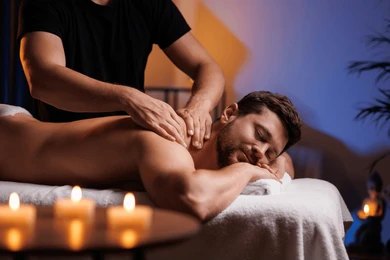
It can help:
- Maintain daily movement
- Improve muscle endurance
- Support flexibility
However, therapists still benefit from regular exercise, balanced nutrition, and rest to stay physically strong.
Professionals working in environments like Thai massage new york services often combine massage work with fitness routines to maintain overall health.
Is massage therapy considered exercise?
It involves physical effort, but it is not structured exercise like cardio or strength training.
Which massage burns the most calories?
Deep tissue and sports massage usually burn more calories due to higher pressure and movement.
How many sessions can a therapist do in a day?
Most therapists perform 4 to 6 sessions daily, depending on duration and intensity.
Is massage physically tiring for therapists?
Yes, especially after multiple sessions, which is why proper technique and rest are important.
Final Thoughts: Is Massage Therapy a Workout?
Massage therapy may look calm from the outside, but it involves steady physical effort behind the scenes. The calories burned in massage therapist sessions show that it requires movement, strength, and endurance throughout the day. While it is not a replacement for a full workout, it still keeps the body active and engaged in a unique way.
If you have ever wondered how much effort goes into each session, experiencing it firsthand can give you a whole new level of appreciation.
At Mali Healing Spa NYC, skilled therapists bring both technique and physical control into every session, helping you relax while they stay fully engaged in delivering effective care.
Ready to feel the difference yourself? Book a session at Mali Healing Spa NYC and experience the balance of relaxation, skill, and energy that goes into every massage.

Related Posts
How Much Do Thai Massage Cost in Thailand? A Complete Price Guide for Travelers

Thai Massage vs Physical Therapy: Which Is Better for Mobility?