
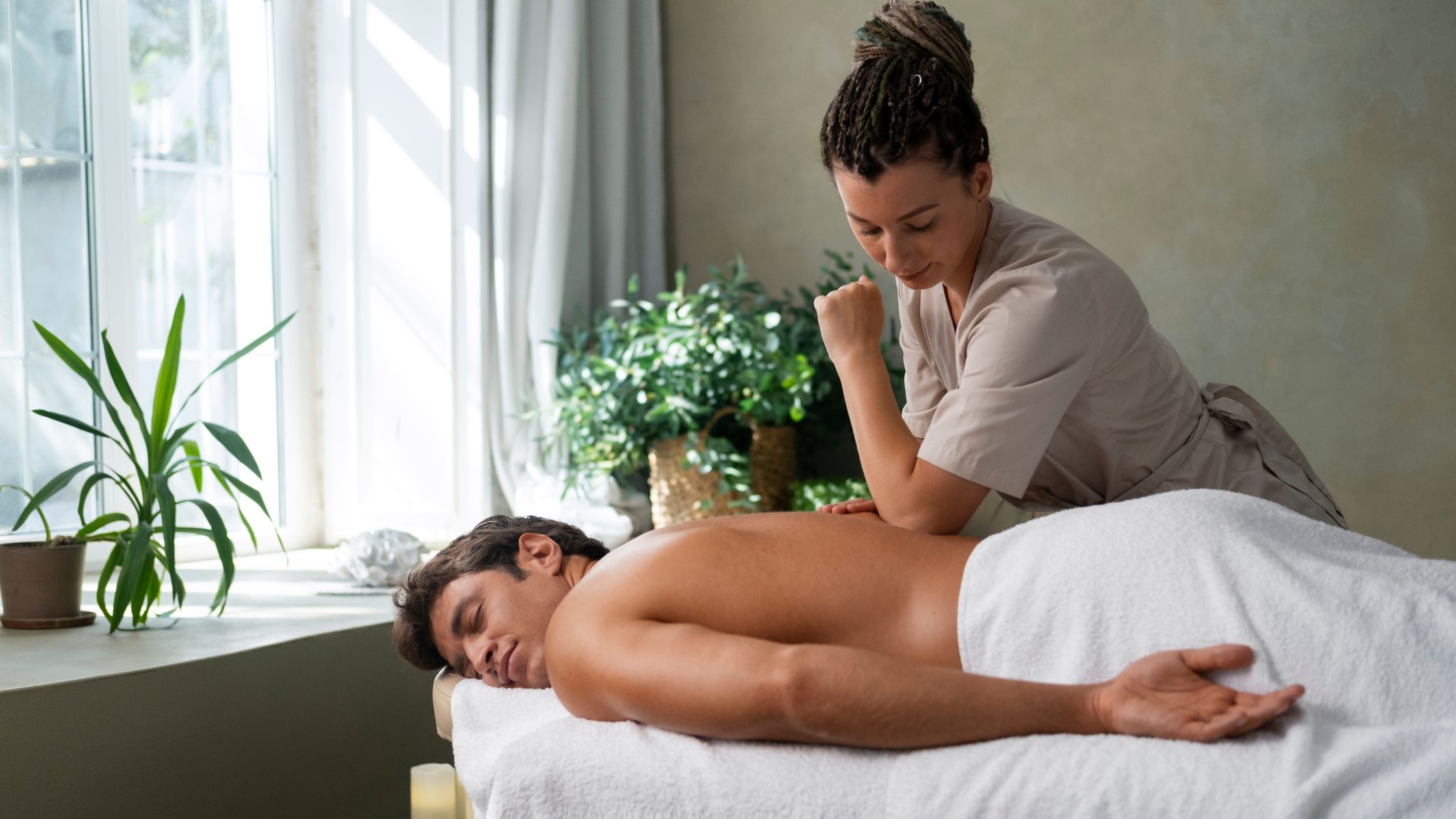
Imagine that you are on a massage table, and your provider doesn’t use a single technique on everyone. Instead, they skillfully combine different techniques to make the experience fit your needs. That is the core and essence of combination massage therapy. Several modalities combined into one powerful treatment-Swedish, deep tissue, trigger point therapy, among others. The aim is to provide a sense of calm and to soothe anxiety.
The way people view healing touch is evolving, mostly due to the combination massage benefits. It’s a tailored practice, designed to address the unique requirements of your body. For those in the New York area seeking a genuinely personalized wellness journey, Mali Healing Spa NYC excels at creating custom combination sessions designed to address your individual needs. Their experienced therapists recognize the uniqueness of each person, and as a result, they’ve mastered the art of integrating techniques for optimal healing.
Key Takeaways
- Combination massage integrates various modalities within a single treatment, offering holistic relief.
- Studies indicate that massage therapy can decrease cortisol levels by as much as 31%, concurrently elevating serotonin.
- This approach works on both the surface tension and the deeper muscle knots simultaneously.
- Furthermore, this method’s adaptability allows therapists to customize their techniques, targeting specific pain points and therapeutic goals.
- Consequently, regular combination sessions can speed up muscle healing and improve blood flow.
What is Combination Massage Therapy?
It’s precisely what the name implies: a carefully orchestrated mix of different massage techniques, all within a single appointment. Instead of sticking to a single method, your therapist evaluates your body’s needs and adapts, switching between approaches as necessary.
Consider it as a well-stocked toolbox, rather than just a single instrument. A session might begin with soothing Swedish strokes to prepare the muscles, move into targeted deep tissue work on specific trouble spots, and conclude with stretching or reflexology. The therapist observes how your body reacts and modifies the treatment accordingly, which is why this method often feels more natural than a rigid, one-size-fits-all strategy.
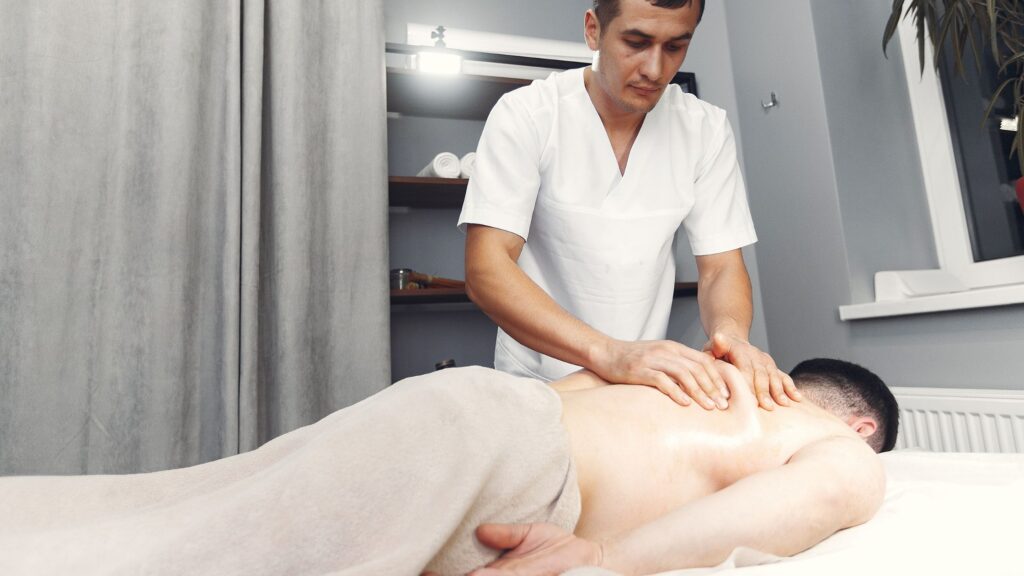
How Does a Combination Massage Actually Work on Your Body?
Your body reacts in distinct ways to different massage techniques, all at the physiological level. In fact, a well-integrated combination of these techniques has a synergistic effect that accentuates the benefit of massage therapy.
Swedish massage technique uses long, flowing strokes, each with a multipurpose function:
- The major objectives are to improve the blood flow in the body
- Activate the parasympathetic nervous system for deep relaxation
- To warm the muscles that are nearest to the skin.
- To release endorphins, which are natural pain killers.
Deep tissue techniques, in contrast, work on the deeper muscle layers by:
- Breaking up adhesions and scar tissue.
- Releasing long-held patterns of muscle tension.
- Increasing how far your joints can move.
- Targeting specific trigger points that can cause pain in other areas.
Why Settle for a Single Massage Technique?
It’s akin to trying to construct a house with just a hammer. A hammer is handy, no doubt, but you’ll also need a saw, a screwdriver, and a host of other tools to get the job done right.
Your body isn’t a one-size-fits-all situation. You might be dealing with tight shoulders from hunching over a computer, a sore lower back from a workout, and a general sense of stress that permeates everything. Combining deep tissue vs Swedish massage techniques allows for a more comprehensive approach. The Swedish strokes are used for warming up your muscles and for calming your nervous system, while the deep tissue massage is aimed at working on those areas directly.
A 2015 clinical trial published in Complementary Therapies in Medicine found that patients who received a combination massage experienced more significant improvements in pain levels and functional abilities than those who only had a single technique.
Can a Combination Massage Truly Help You Unwind?
Yes, it can. The advantages of a stress relief massage extend far beyond a fleeting sense of calm. When a therapist skillfully blends soothing Swedish methods with focused pressure, your body begins a series of physiological transformations.
Your nervous system operates in two distinct states: sympathetic (the fight-or-flight response) and parasympathetic (rest-and-digest). Most people today find themselves stuck in sympathetic overdrive, which can result in chronic stress, disrupted sleep, and a compromised immune system.
The diversity within a combination massage also keeps your nervous system engaged in beneficial ways. As your therapist moves from gentle strokes to deeper work, your body stays responsive, rather than becoming accustomed to a single, repetitive sensation.
What Specific Conditions Benefit Most from This Approach?
Combination massage is especially helpful for a range of frequently encountered issues.
Chronic Pain Management
- It’s a good choice for lower back pain, whether it’s due to sitting for long periods or the physical demands of a job.
- Neck and shoulder tension, often a byproduct of computer work, also responds well.
- Headaches stemming from muscle tension can be alleviated, too.
- Fibromyalgia symptoms may also improve.
Athletic Performance and Recovery
Athletes have long recognized the benefits of massage for muscle recovery. Combination techniques are effective at flushing out metabolic waste, lessening delayed-onset muscle soreness, and helping to keep muscles flexible.
Stress-Related Issues
In New York City, many people seeking stress relief massage find themselves grappling with a host of symptoms at once: tight muscles, trouble sleeping, digestive problems, and mental fatigue. The holistic approach of combination massage is well-suited to addressing these interconnected issues.
How Often Should You Schedule Combination Massage Sessions?
It really depends on what you’re hoping to achieve and where you’re starting from. Your body tends to build on what it’s already experienced, so the benefits tend to stack up.
For general well-being and to keep stress in check, most therapists suggest sessions every two weeks or once a month. This helps keep you relaxed and stops tension from building up.
If you’re dealing with ongoing pain or trying to bounce back from an injury, weekly sessions can be more effective at first. As you start to feel better, you can gradually spread out the appointments.
Athletes, especially when they’re in heavy training, might find weekly or even twice-weekly sessions helpful. Then, during the off-season, they can cut back.
Embrace the Power of Personalized Healing
The benefits of combination massage are in no way anecdotal: it offers concrete benefits to both body and mind. This approach has simplified the complexities of the body rather than making it simpler.
Combination massage offers a range of benefits, perfect for those looking to alleviate chronic stress, enhance athletic abilities, or just unwind from the pressures of daily living.
At Mali Healing Spa NYC, our highly trained and knowledgeable therapists make every session unique to your specific needs, so you get exactly what your body is asking for. Why settle for generic treatments when personalized healing is within reach?
FAQs:
- What sets a combination massage apart from a standard one?
A combination massage weaves together several approaches, such as Swedish, deep tissue, and trigger point therapy, all within a single appointment. In contrast, a regular massage usually sticks to just one technique for the entire duration.
- How long can you expect a typical combination massage to take?
Sessions usually last between 60 and 90 minutes. This timeframe gives your therapist the opportunity to work on different areas, employing a range of techniques to do so.
- If deep tissue work is part of a combo massage, will that hurt?
When the deep muscle sections happen, you might feel some pain, but it shouldn’t be unbearable.
- Can I request some techniques to be employed in a combo massage?
Of course! A skilled therapist will appreciate your feedback and tailor their methods to suit your needs and what you’re hoping to achieve.
- When can I expect to feel the effects of my first combination massage?
While many clients find immediate relief and relaxation, tackling ongoing issues usually demands several sessions to see significant, lasting improvements.

Related Posts
Why Combination Massage Is the #1 Choice for First-Time Spa Clients
Combination Massage: Your Ideal Post-Work Stress Relief in NYC
