
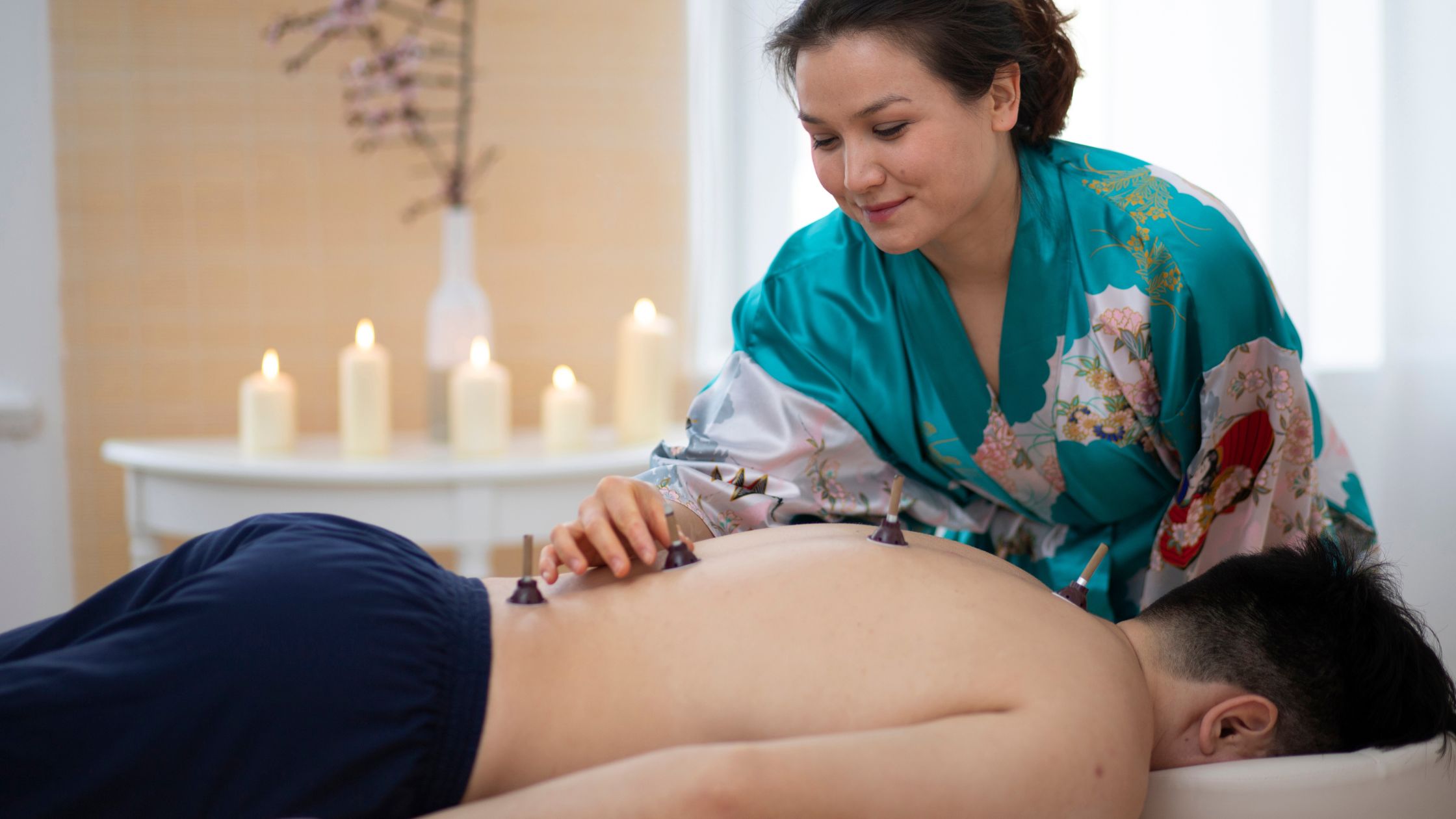
The pace of New York City, with its tall buildings and constant activity, sometimes contributes to stress. Additionally, a day at a desk or rushing to appointments or struggling with subway schedules and congestion leaves little doubt about its physical consequences. If you’re looking for a way to unwind and regain your equilibrium, a combination massage in NYC could be the answer.
Manhattan’s lifestyle, with its demands, can be a real strain on both the body and the mind. The American Institute of Stress estimates that workplace stress drains up to $300 billion from U.S. businesses each year, factoring in healthcare expenses, absenteeism, and diminished productivity. As a result, therapeutic massage has become the go-to method for many New Yorkers seeking recovery.
At Mali Healing Spa NYC, the experienced therapists recognize the distinct stresses that come with city life. They provide tailored combination massage sessions, each one carefully planned to target your specific areas of tension.
Key Takeaways
- Combination massage offers a fusion of therapeutic approaches, all in a single appointment, designed to provide thorough stress relief.
- New York City professionals often grapple with stress levels that far exceed the national average, which is why post-work massages are so beneficial.
- Targeted massage therapy can lower cortisol levels by as much as 31%, while also increasing the production of mood-enhancing neurotransmitters.
- An added advantage could be that frequent post-work sessions can prevent chronic pain and may also improve your work performance.
- These personalized combination therapies are designed to address multiple concerns simultaneously, thereby optimizing your time and the results you will achieve.

What Sets Combination Massage Apart from a Standard Massage?
Consider it the Swiss Army knife of bodywork. Rather than sticking to a single method for the whole appointment, your therapist uses a mix of techniques to tailor the session to you. Swedish strokes might help you unwind, deep tissue work can target those persistent shoulder knots, and trigger point therapy focuses on specific areas of pain.
The real appeal is in adaptability; your session is tailored to your body’s specific requirements on any given day. This method is particularly beneficial for those living in the city, where various stressors are constantly at play. Perhaps your morning commute has left your neck tight, or a day at the office has caused lower back pain, and mental strain is resulting in tension headaches.
A massage based on one technique may provide some level of comfort, but the stress relief massages in NYC, with their combination of techniques, will address everything mentioned above.
Why Does Working in New York City Seem to Take Such a Toll on the Body?
The city’s work culture moves at a speed that’s hard to match. Think about these things:
- Long hours spent sitting: Many people in Manhattan are at their desks for eight to ten hours a day, which can lead to problems with posture.
- The strain of commuting: The typical NYC commuter spends about forty minutes getting to and from work, often crammed into a subway car.
- Ongoing deadlines: The city’s unyielding tempo means stress hormones, including cortisol, remain high during the workday.
- Limited movements: Office environments also limit natural movement, which can lead to muscle tension and shortening.
How Does Massage Actually Relieve Work-Related Stress?
The benefits of massage for stress and tension run deeper than just feeling good. When a skilled therapist works on those knotted muscles, a cascade of physiological changes begins. Your nervous system makes a switch, moving from the sympathetic (the fight-or-flight response) to the parasympathetic (rest-and-digest). Blood flow gets a boost, bringing fresh oxygen to fatigued tissues and helping to clear out the metabolic waste that causes discomfort.
Research published in the International Journal of Neuroscience shows that massage therapy can lower cortisol levels by about 31%. At the same time, serotonin and dopamine levels rise by roughly 28-30%. These aren’t just statistics; they represent real improvements in mood, sleep, and how you experience pain, effects that last long after the massage is over.
When Should You Schedule Your After-Work Massage for Maximum Benefit?
Timing matters more than most realize. Booking your NYC after-work massage within two hours after leaving the office yields the best benefits. Warm, supple muscles respond better to therapy. In addition, going straight from job stress to healing touch sets a psychological border that helps you forget the day.
Evening appointments allow you to go home and rest while you settle in. Many clients report their finest sleep on massage evenings, waking refreshed and ready for the day.
What Approaches Should Your Therapist Employ During a Session?
Therapists tailor their techniques, drawing from their assessments and your objectives. Here are some frequently used combinations:
- Swedish and Deep Tissue: Gentle strokes warm up the muscles, paving the way for deeper pressure to ease persistent tension.
- Trigger Point and Myofascial Release: This method targets specific pain areas while also addressing wider restrictions in the connective tissues.
- Sports Massage and Stretching: A good choice for those who are active and exercise around their work schedule.
- Reflexology combined with a full-body massage: Offers a unique experience. It merges the principles of foot pressure point therapy with traditional massage techniques.
- Hot Stone Therapy combined with aromatherapy: In this therapy, the calming effect of heat and aromas of aromatherapy are used to induce relaxation.
A post-work stress-relief massage should in no way be a one-size-fits-all experience. Your massage therapist should be paying attention and adjusting their methodology – the force exerted, the techniques employed – in reaction to your body’s feedback.
Does Combination Massage Improve Work Performance?
Absolutely, when your body doesn’t hurt, cognitive resources can be used for work. Studies show that less physical discomfort improves focus, decision-making, and creativity. Massage for stress and tension feels nice and boosts your career.
Companies with workplace massage programs have lower absenteeism, fewer workers’ compensation claims, and happier employees, according to the AMTA. You benefit from massage therapy by increasing productivity and reducing sick days.
Start Your Balanced Lifestyle Here
Breaking the loop of work stress and physical tension doesn’t require radical lifestyle changes or pricey therapies. Sometimes, the most profound changes begin with something as straightforward as consistent therapeutic touch. A relaxing massage in Manhattan can be your reset, a way to cope with the city’s pressures without compromising your health.
For those of you with packed schedules, Mali Healing Spa NYC skilled therapists offer combination treatments. Each session is designed to provide genuine relief, understanding the value of your time and the weight of your stress. A combination massage in NYC is tailored to your needs, revitalizing your energy and easing your body to alleviate tension accumulated over the weekend and during the week.
FAQs:
1. How long should your initial combination massage last?
A 90-minute session is a good starting point. This gives your therapist ample time to evaluate your needs and work on several problem areas.
2. Will a combination massage hurt if I am very tense?
Some of the techniques involve more intense pressure, and you might feel some discomfort, although you can always adjust the pressure depending on your comfort levels.
3. Can I get a combination massage as an initial massage?
Yes, modalities will also depend on your specific needs, whatever your massage therapy experiences may have been.
4. Is it okay to eat before my massage after work?
A light snack is perfectly acceptable if you’re peckish, though it’s wise to avoid substantial meals in the hours leading up to your appointment.
5. How soon can I expect to feel a difference after a combination massage?
Many immediately notice relief from tension and a sense of tranquility. Advantages may be cumulative, often with each visit.

Related Posts
Why Combination Massage Is the #1 Choice for First-Time Spa Clients
How Combination Massage Works: Benefits Backed by Science
