With experience comes wisdom, but also a plethora of stiffness, creaking knees, sore joints, and achy muscles, courtesy of the aging process. As the years go by, we become less flexible, blood circulation reduces, and aches and pains may become a way of life. Massage therapy is a natural treatment for meeting the bark challenges.
There are several therapeutic methods available today, one of which is deep tissue massage for seniors. However, deep tissue massage is infamous for deep pressure and muscle manipulation, so it leaves many seniors asking: “Is it safe for me? Let’s explore.

What Is Deep Tissue Massage and How Does It Work?
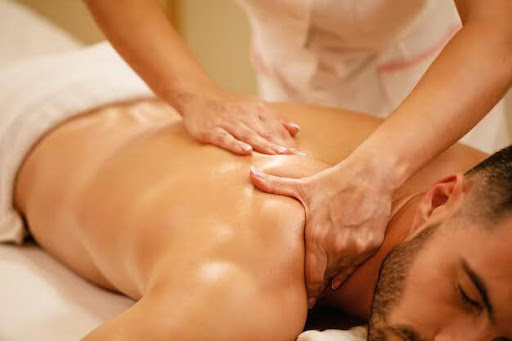
Deep tissue massage is a type of therapeutic massage that focuses on the deeper layers of muscle and connective tissues. Using deep pressure, the therapist slowly strokes this tension away from the muscle, developed from too much strain, chronic pain, or postural imbalance.
This therapy alleviates muscle knots (adhesions) and fascia connective tissue surrounding muscle and brings back flexibility, improving circulation.
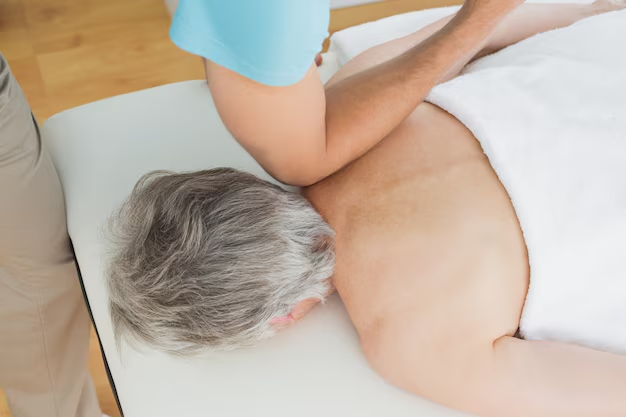
Usually, a mild deep tissue massage technique is performed on seniors. The therapist applies pressure as per your comfort level and treats specific areas, for example, the back, shoulders, legs, or stiff joints.
Why Do Seniors Experience Muscle Tightness and Stiffness?
With age comes less exercise, and weakened muscles naturally tighten, resulting in stiffness, reduced mobility, and pain from the slightest turn. Factors include:
- Reduced physical activity over time
- Arthritis or joint degeneration
- Poor posture or prolonged sitting
- Slower circulation and metabolism
- Previous injuries or scar tissue formation
Consistency with massage therapy that promotes blood flow, muscle relaxation, and mobility are all issues that can easily be managed.
Is Deep Tissue Massage Safe for Seniors?
Deep tissue massage is safe and effective for seniors as long as it is administered appropriately by a qualified therapist. The secret sauce is technique control and real-time feedback. A good therapist uses optimum pressure according to the age, muscle condition, and health status of a person.
But those with certain conditions, like osteoporosis, recent fractures, or an issue that affects blood clots, should always check in with their health care provider before starting deep tissue therapy.
This type of massage, when used appropriately, can increase strength, reduce chronic pain and aid wellness.

What Are the Benefits of Deep Tissue Massage for Seniors?
Deep tissue massage for seniors helps many seniors experience major improvements in comfort and quality of life. The benefits include:
- Better blood circulation: Promotes oxygen transportation to tissues and helps with faster recovery.
- Pain Reduction: Forms of arthritis and chronic neck, shoulder, and lower back pain
- Improved posture: Counteracts stiffness that comes from years of sitting or slumping over.
- Relieving inflammation: it acts on muscle bonds, reducing tension in the vicinity of the joints.
- Improved Flexibility and Balance: It will be very easy for you to move around and will afford you independence.
- Better sleep and calmness: Lowers the stress hormones and aids in sound sleep.
Seniors who receive regular gentle deep tissue sessions are able to maintain ideal levels of mobility and comfort in their daily lives.
How Does Gentle Deep Tissue Massage Differ?
For older clients, the deep tissue massage often involves pressure that may be too intense. Gentle deep tissue massage employs moderated pressure with slower, more deliberate movements.
This therapist worked to calm the body down rather than beating up the muscles, thus no bruising or soreness after the massage. This gentle but powerful technique restructures circulation and gently loosens tight areas, ideal for the sensitive muscle matrix of seniors.
Should Seniors Choose Swedish Massage Instead?
For others, a Swedish massage may be the chosen alternative for seniors. Swedish styles utilize primary, smooth strokes and softer pressure for circulation enhancement, anxiety reduction, and enhanced range of motion without pain.
Gentle deep tissue massage is more focused on sore spots (or chronic issues), while Swedish massage is all about overall relaxation.
Whatever the case may be, the decision is up to the person, as it depends on their health condition and how much pain they can handle. Both are helpful for senior rehabilitation and relaxation, so some seniors alternate between them.
What Precautions Should Seniors Take Before a Massage?
Before booking an appointment, seniors are encouraged to:
- Consult with their doctor, particularly if they have cardiovascular issues, osteoporosis, or mobility restrictions.
- Notification of all medications that may influence the blood pressure or the blood coagulation system
- Begin with shorter (30–45 min) sessions and slowly work your way up to longer ones.
- Do not massage for less than one week after surgical treatment or in febrile states.
- Drink water prior to your appointment and post as well.
Open communication in regards to safety and comfort helps the client and therapist feel secure and comfortable throughout the session.
How Often Should Seniors Get a Massage?
It often is dependent on comfort and health goals:
- For chronic pain or arthritis relief: Once per week to once every couple of weeks to help with inflammation and stiffness.
- Just for relaxation: Sessions every 2 weeks to once a month keep things flexible and flowing.
- If you have no experience with massages, begin with quicker sessions at lower speeds and build from there; let your body get used to it.
- The important thing is to listen to your body and do what feels right for it.
Key Takeaways
- Deep Tissue Massage for Seniors is safe when it is modified according to their comfort and health conditions.
- Pain, hard movement, and decreased motion during the day are alleviated by the soothing deep tissue massage, and your overall blood circulation is improved.
- Because Swedish massage is excellent for promoting relaxation and managing stress, it makes a great complement.
- Before beginning the therapy, seniors have to contact their health care provider.
- Sessions alleviate stiffness, ease tension, and enhance the quality of life.
Frequently Asked Questions
Q1. Is a senior citizen with arthritis able to receive a deep tissue massage?
Yes. A soft tissue massage helps ease the muscle tension and pain around the joints. That said, do not do sessions during states of acute inflammation or pain flare-ups.
Q2. Is soreness a standard accompaniment after a heavy tissue massage?
You may experience mild soreness, but it should subside in a day. Remember to share where you feel comfortable with your therapist.
Q3. Is gentle deep tissue or Swedish massage better for seniors?
Both options offer benefits. Mind and body get to relax more with Swedish massage, and gentle deep tissue massage focuses on relieving chronic pain and stiffness.
Q4. So, how long should a session be for older adults?
For seniors, about 45 to 60 minutes is enough without over-exerting themselves for effective results.
Q5. Does deep tissue massage help increase the range of motion among older adults?
Yes. It increases flexibility, reduces stiffness, and aids movement by improving the function of the muscle.
Reconnect Your Body with Gentle Healing at Mali Healing Spa
Growing old does not have to mean being in pain or not moving comfortably. Given the proper type of treatment support, older people can experience increased independence, reduced discomfort, and enhanced relaxation For seniors, Swedish massage is tailored to your specific needs at Mali Healing Spa. Each session combines comfort, safety, and professionalism in a tranquil and supportive environment.
Take a further step towards better movement and relaxation. So, for your gentle deep tissue session, book Mali Healing Spa today to achieve this perfect balance between healing and relaxation!

Related Posts

Deep Tissue Massage for Desk Job Pain: NYC Office Worker’s Guide

Deep Tissue Massage Myths: Does It Have to Hurt to Work?