
Deep tissue massage often bears a bad reputation. A lot of people feel that if it doesn’t hurt, it isn’t working. Deep Tissue Massage Myths, that has prevented many people from trying one of the most helpful forms of bodywork available. So, does deep tissue massage have to hurt to deliver real results? The short answer is no—and modern science and therapist expertise strongly support this.
At Mali Healing Spa NYC, licensed therapists believe in tailoring treatments to individual needs, not in causing unnecessary pain. Blending science with years of experience and comfort for the client will make the results even more plausible and real to feel. If you are searching for some trusted therapeutic massage in NYC, this spa raises the standards high for evidence-based bodywork and mindful healing.
Key Takeaways
- Pain is not a reliable index of the effectiveness of Massage
- Adequate deep tissue pressure levels are not the same for everyone and depend upon the situation.
- Smart therapy integrates pain vs benefit massage manipulations during massage therapy
- Professional care enhances recovery and overall health

The Largest Misconception Regarding Deep Tissue Massage
It is often believed that a deep tissue massage needs to be intense in order to loosen muscle knots. This is likely a result of old school methods that believed more is better.
Research in neuromuscular therapy illustrates just how pain triggers the defense response of the nervous system. When the muscle guards itself, that means it resists change. Deep tissue massage is not about strength but it is about precision.
Dealing with Pressure in Deep Tissue Therapy
What Pressure Should Feel Like
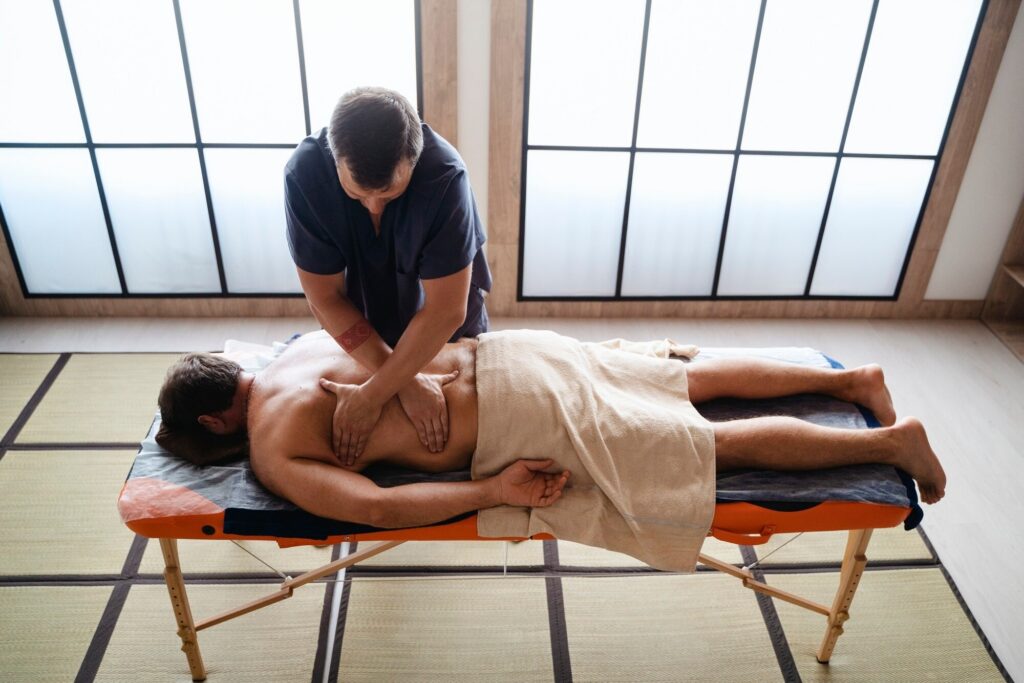
Deep tissue pressure levels should feel “comfortable intense” and should never feel overwhelming. Muscle tone, hydration levels, inflammation, and past injuries also comes into consideration on how much pressure to apply.
Why Customization Matters
- Each body reacts differently to pressure
- Injured, inflamed, or scarred tissues may require more gentle technique
- Gentle pressure facilitates the flow of blood and the mobilization of the
- When therapists apply deep tissue pressure levels appropriately, with relaxation, and not resistance, will eventually mean that success will be achieved.
Pain vs Benefit Massage: What Science Says
“Pain is equal to progress” is a myth from a scientific standpoint. It has been observed that moderate pressure activates the parasympathetic nervous system, which reduces cortisol production as well as inflammation.
In contrast, high pressure actually causes:
- Stressed hormone release
- Raises muscle guarding
- Inhibits tissue repair
This is why professionals talk about pain vs benefit massage balance in therapy. If benefit is more than pain, then patients experience relief, improved mobility, and optimal muscle function.
The Therapist’s Expertise Makes the Difference
An educated therapist learns anatomy, fascia lines, and neuromuscular responses. Instead of forcing knots to “release,” he or she would use slow, directed techniques that invite tissue change.
Good therapists in reputable therapeutic massage in NYC are constantly monitoring feedback and tissue response. This makes deep tissue massage a safe, effective, and restorative experience.
Deep Tissue Massage and Injury Rehabilitation
How It Aids in Healing
Injury recovery massage therapy is an essential part of modern-day recovery. It can help in the following ways if it is used appropriately:
- Increase blood flow to the affected area
- Increase the elasticity of scar tissue
- Restores range of motion
What to Expect
During the process of massage for injury recovery, strong pressure is not used. Massage therapists employ controlled techniques to help the body heal itself.
There is clinical evidence that massage can help speed recovery and prevent injuries by compensation.
How the Nervous System Influences Massage Results
Deep tissue massage acts not as much through the muscles but through the nervous system. When pressure remains within a tolerable range, then the parasympathetic response is engaged, and the muscles are allowed to relax and lengthen.
If pressure becomes more than comfort:
- The brain perceives threat
- Muscles contract in defense
- Healing responses go slower.
This neurological response provides the explanation that excessive pain does not improve effectiveness rather diminishes it.
When Discomfort Is Normal—and When It’s Not
A certain amount of discomfort may be normal with a deep tissue massage, particularly when a client has a muscle or fascial restriction that has been chronically shortened with injury or repetitive strain. This discomfort typically feels as if it is a good hurt that is just melting away as it starts to release, although it should never cause a client to hold their breath or muscle up.
It should never cause sharp, burning, or shooting pains that reduce its effectiveness and promote muscle guarding. Open communication with a client allows a certain amount of deep tissue pressure level to be kept that is healing, as opposed to stress.
The Process of Healing Without Harm
Deep tissue massage doesn’t depend on pain for its effectiveness. Advances in modern research have proved the advantages of appropriate pressure and the control of the nervous system by the skills of the professional to ensure better results. And if you’ve been wondering “does deep tissue massage have to hurt,” the simple answer is that impact lies in balance, not in pressure.
You can have professional care at Mali Healing Spa NYC, where expertise and conscious care intersect for effective healing. Discover customized bodywork answers at Mali Healing Spa NYC and experience the difference that science-based massage can bring. Book your massage session Now!
FAQs:

Related Posts
Ashiatsu vs Deep Tissue Massage – Which Is Better?

Deep Tissue Massage for Desk Job Pain: NYC Office Worker’s Guide