
Trust is one of the most important parts of a professional massage experience. Clients want to feel safe, respected, and comfortable from the moment a session begins. In New York City, clear rules and professional expectations guide how massage therapists interact with clients. At Mali Healing Spa NYC, massage services are provided in an environment where respect, clear boundaries, and professionalism are treated as essential parts of care. This guide explains how Ethical Boundaries in Professional Massage Therapy maintained, and why these standards protect both clients and therapists.
Professional massage is based on structure and responsibility. Ethical guidelines help define what is appropriate during a session, how communication should happen, and how client dignity is preserved at all times. Understanding these boundaries helps clients feel confident when choosing a massage provider.
This blog explains how ethical boundaries are maintained in professional massage therapy, helping clients understand safety standards, therapist responsibilities, and how ethical guidelines protect trust during massage sessions.
Key Takeaways
- Ethical boundaries are a core part of professional massage therapy
- Clear rules help protect client comfort and safety
- A therapist’s conduct is guided by professional and licensing standards
- This blog explains how boundaries are maintained during massage sessions
- Trust-focused clients benefit from understanding ethical massage practices
What Do Ethical Boundaries in Professional Massage Therapy Mean in a Professional Massage Environment?
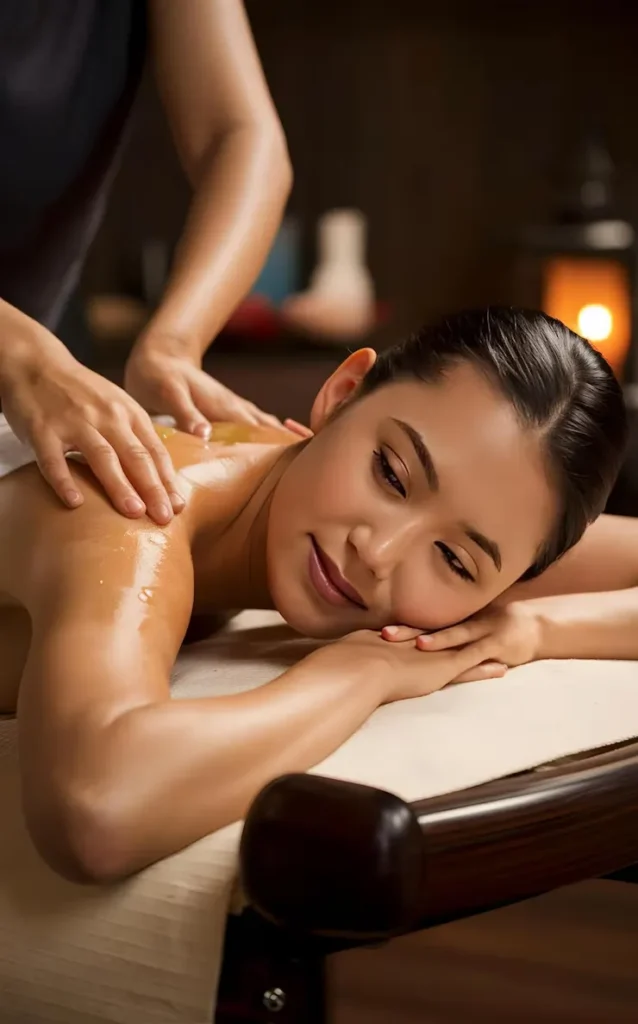
Ethical boundaries define how a massage session is conducted and how therapists interact with clients. These boundaries protect comfort, safety, and professionalism by setting clear limits on touch, communication, and behavior during a session.
Boundaries begin before the massage starts. Therapists explain the service, confirm comfort levels, and answer questions to avoid confusion. During the session, boundaries guide where and how touch is applied, how consent is respected, and how client cues are handled.
Privacy is also part of ethical care. Proper draping, respectful language, and clear focus on therapeutic work help clients feel secure. These guidelines are part of professional expectations in NYC and help ensure massage sessions remain respectful and well-defined.
How Are Ethical Standards Enforced in Professional Massage Therapy?
Ethical behavior in massage therapy is not left to personal judgment. In NYC, therapists are expected to follow clear rules that define professional conduct and client safety. These ethical massage standards exist to keep sessions respectful, structured, and free from confusion.
Ethical standards are strengthened by:
- Licensing requirements that outline acceptable conduct
- Clear expectations around consent and communication
- Professional rules on draping, touch, and session focus
- Accountability measures if standards are not followed
Therapists are trained to recognize boundaries and maintain them throughout the session. This includes staying focused on therapeutic care and avoiding conversations or actions that could make a client uncomfortable.
When standards are applied consistently, clients can trust that massage sessions are guided by professionalism rather than personal interpretation. This structure helps protect dignity, comfort, and safety for everyone involved.
Why Professional Boundaries Matter in a Spa Environment
A spa environment should evoke tranquility, structure, and respect. Establishing clear boundaries ensures that massage therapy remains focused on care, not confusion. In professional environments, these boundaries guide how therapists communicate, how sessions are conducted, and how client comfort is protected.
Professional boundaries and spa rules help define what is appropriate before, during, and after a session. This includes how appointments are discussed, how therapists respond to questions, and how the session ends. These boundaries prevent misunderstandings and support a setting where clients feel secure.
Clear boundaries also support consistency. When therapists follow the same professional guidelines, clients know what to expect regardless of who provides the service. This consistency builds trust and helps massage therapy remain a respected wellness service rather than an informal or unclear interaction.
By maintaining well-defined boundaries, spas create an environment where care feels intentional, respectful, and clearly focused on the client’s well-being.
How Do Licensing Rules Guide Ethical Therapist Behavior?
Licensing plays a key role in maintaining ethical conduct in massage therapy. Therapists are required to follow a licensed therapist code that outlines acceptable behavior, client interaction, and professional responsibility throughout every session.
These rules guide therapists by setting clear expectations, including:
- Maintaining respectful communication at all times
- Following proper draping and consent practices
- Keeping sessions focused on therapeutic care only
- Responding professionally to client concerns or questions
Licensing rules also define consequences if ethical guidelines are ignored. This accountability is essential for protecting clients and upholding professional standards in massage settings throughout New York City.
For clients, licensing provides reassurance. It shows that ethical behavior is not optional and that therapists are held to recognized standards that support safety, clarity, and trust during every massage session.
How Ethical Boundaries Protect Both Clients and Therapists
Ethical boundaries in massage therapy protect both clients and therapists by setting clear expectations for professional behavior. These boundaries define what is appropriate during a session and help prevent confusion or discomfort.
For clients, boundaries create a space where they can relax and feel secure. Clear communication, respectful conduct, and consistent session structure ensure the focus stays on therapeutic care. For therapists, ethical guidelines provide direction when handling sensitive situations and help maintain professionalism throughout the session.
Over time, consistent ethical practices support trust in massage therapy as a professional service. At Mali Healing Spa NYC, ethical boundaries are a core part of every session, helping clients feel comfortable, respected, and supported during their visit.
Conclusion
Ethical boundaries play a vital role in professional massage therapy. Clear standards, licensing rules, and professional conduct help ensure that massage sessions in NYC remain respectful, safe, and well-defined.
Understanding these ethical expectations allows clients to feel more confident when choosing a massage provider. At Mali Healing Spa NYC, professionalism and ethical responsibility guide every session, creating an environment where clients can feel secure, respected, and focused on their wellness experience. Make the appointment now!

Related Posts
What Type of Massage Removes Muscle Knots Best?
Massage Therapy Benefits: 5 Reasons a Spa Day Is Best for Summer Self-Care
