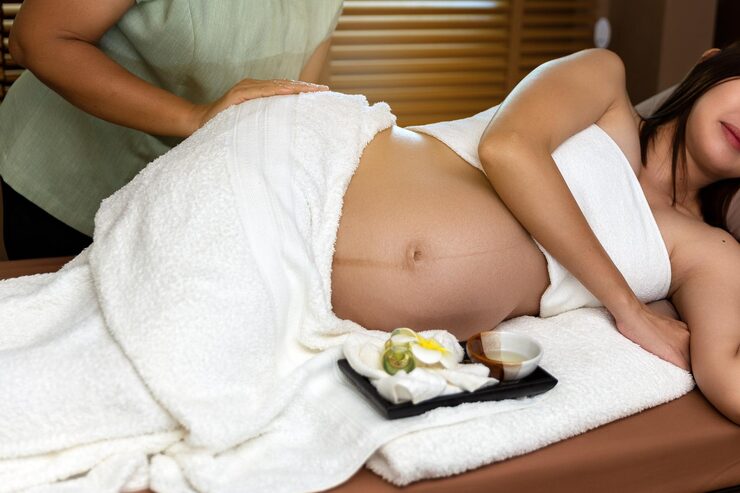
Being pregnant is a beautiful experience, but there are also some physical and emotional issues associated with pregnancy. When it comes to pregnant women, it is common knowledge that many of them are searching for safe and natural methods to address discomfort, better circulation, and stress. Prenatal Thai Massage is one of such efficient techniques that is becoming more popular. This is a type of therapy that is more than just beneficial in alleviating typical aches that pregnancy can cause; it is good for the general well-being of the mother and child.
This blog discusses the potential of Prenatal Thai Massage to positively influence a healthy pregnancy, the methods used, advantages, and precautionary measures when a mother is pregnant.
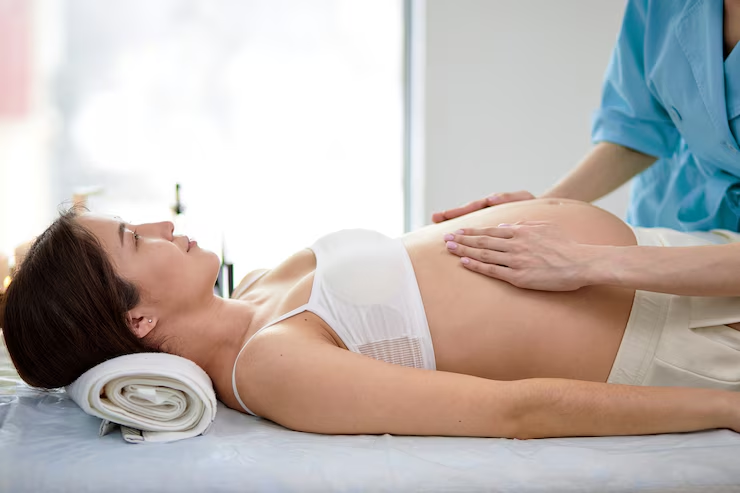
What Is Thai Prenatal Massage?
Prenatal Thai Massage is a special kind of bodywork based on ancient Thai massage practice, specifically developed to treat expectant mothers. In contrast to the conventional massage, prenatal Thai massage is connected to the light stretches, acupressure points, and relaxing movements that help to reduce tension or create more relaxation without straining the abdomen.
The certified therapist who has undergone Prenatal Massage Therapy is aware of the changes in the body during pregnancy and uses various techniques to secure the safety and comfort.
Key Benefits of Prenatal Thai Massage
1. Soothes Pregnancy discomfort.
Among the short-term effects of the Prenatal Thai Massage, there is the reduction of typical pregnancy pain. These include:
- Lower back pain
- Swollen ankles and feet
- Sciatica pain
- Muscle tension
Light stretching and pressure activities enhance blood circulation and relieve muscle rigidity, making daily activities smoother.
2. Reduces Stress and Anxiety
The pregnancy can be emotionally devastating. Research has indicated that Prenatal Massage Therapy is effective in lowering cortisol levels, which causes stress and anxiety. The relaxing benefits may result in better sleep, a positive mood, and a more positive pregnancy experience.
3. Enhances Circulation
Circulation in pregnant women is usually unreliable as the blood flow in the body increases and exerts pressure on the veins. Prenatal Thai Massage enhances improved blood circulation, lessening the swelling of the legs and feet, and also ensuring that nutrients and oxygen reach the mother and the unborn baby effectively.
4. Enhances Flexibility and Forward Bend.
During the course of pregnancy, posture is altered, and muscles might get strained. The Thai massage performed on the pregnant woman is a gentle massage that can enhance the flexibility of the body, release tension, and allow the body to stay in a better position, and can prevent discomfort in the long run.
5. Supports Hormonal Balance
Prenatal Massage Therapy promotes the production of endorphins and oxytocin hormones, which enhance mood and general well-being. This is a natural hormonal support that may help to make the pregnancy smoother, as well as help to reduce anxiety during labor.
Methods of Prenatal Thai Massage
Prenatal Thai Massage is a mixture of traditional Thai massage and other gentle techniques applied mostly during pregnancy. Some of the methods in common use are:
- Light stretching: This will ease the tension of the muscles without causing pain to the abdomen.
- Acupressure: This applies pressure to certain points to alleviate nausea, increase energy, and aid circulation.
- Leg and foot massage: Swelling is reduced and blood circulation is improved.
- Back and shoulder massage: Eases tension due to a change of posture.
All techniques are altered to suit the stage of pregnancy and the levels of comfort of each person by certified therapists.
Who may benefit from Prenatal Thai Massage?
Prenatal Thai massage is beneficial to expectant mothers throughout pregnancy, although it is especially useful in cases where the mother suffers:
- Chronic back or joint pain
- Swelling in the legs and feet
- Stress or anxiety
- Difficulty sleeping
- Fatigue or low energy
Nevertheless, you should always consult your medical practitioner prior to undergoing Prenatal Massage Therapy, particularly when having high-risk pregnancy factors.
Safety Tips for Prenatal Massage
Although Prenatal Thai Massage is strictly speaking a safe treatment, it is important to remember several safety tips:
- You have to consult your physician before making a booking.
- Make sure your therapist is a certified massage therapist in prenatal massage.
- Do not get a massage during the first trimester when advised by your doctor.
- Turn positions on either side, other than lying flat on your back.
- Remember to drink water before and after the massage.
These are guidelines that will make the massage experience safe, comfortable, and effective.
How Often Should You Get Prenatal Thai Massage?
Prenatal Thai Massage is done depending on the stage of pregnancy and level of comfort. Numerous pregnant women will enjoy:
- Once in the first and second trimesters, every 24-48 hours.
- During the third trimester, weekly meetings to address the issues of swelling, back pain, and stress.
You should always talk to your healthcare provider about a schedule so that it fits your own requirements.
What to Expect During Your Session
In a Prenatal Massage Therapy session, one can expect:
- A comprehensive counseling session on the topic of your pregnancy and the area of discomfort.
- Side-lying on pillows.
- Light stretches, light pressure, and relaxing movement.
- Pay attention to such body parts as the back, shoulders, legs, and feet.
- Stress reduction and well-being relaxation methods.
The duration of each session can be 60 to 90 minutes, and it is up to you and your needs.
FAQ About Prenatal Thai Massage
Q1. Is Prenatal Thai Massage safe for all stages of pregnancy?
A: Generally, it is safe after the first trimester. Always consult your healthcare provider, especially if you have high-risk pregnancy conditions.
Q2. Can Prenatal Massage Therapy reduce labor pain?
A: While it cannot prevent labor pain entirely, regular prenatal massage may help reduce stress, improve muscle flexibility, and relieve discomfort, contributing to a smoother labor experience.
Q3. How does Prenatal Thai Massage differ from regular massage?
A: Prenatal Thai Massage is adapted for pregnant women, focusing on gentle stretches, acupressure, and side-lying positions to ensure safety for both mother and baby.
Q4. Can partners join for a couple’s prenatal massage session?
A: Some spas offer prenatal couple’s massage packages, allowing both partners to enjoy relaxation together safely.
Q5. How long is a typical prenatal massage session?
A: Sessions usually last 60–90 minutes, depending on the focus areas and mother’s comfort level.
Conclusion: Embrace a Healthier, More Comfortable Pregnancy
Prenatal Thai Massage and Prenatal Massage Therapy offer expectant mothers a safe, effective way to relieve pain, reduce stress, and support overall well-being during pregnancy. By improving circulation, enhancing flexibility, and promoting relaxation, prenatal massage is a natural complement to a healthy lifestyle during pregnancy.
👉 Book your appointment today and take the first step toward ultimate relaxation and wellness!

Related Posts
Which Massage Types Are Safe During Pregnancy?

How Prenatal Massage Supports Mothers Through Each Stage of Pregnancy