
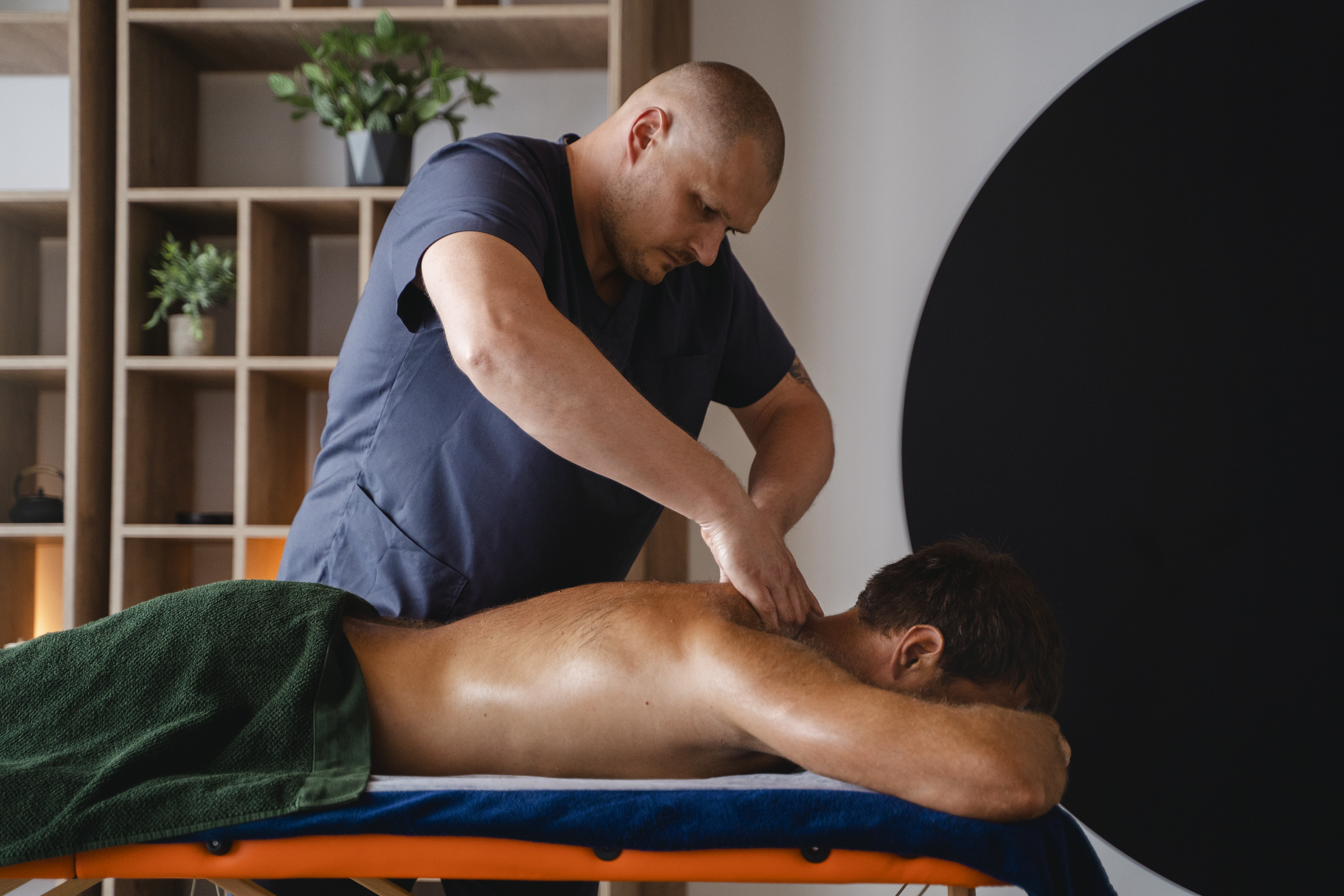
This purpose of this blog is to clear up misconceptions about discomfort in Thai Massage by distinguishing therapeutic sensations from harmful ones.
It provides practical guidance for clients to manage their sessions effectively, helping them gain the full restorative effects available at places like Mali Healing Spa NYC.
According to official statistics with 17.9% of adults in England reporting long-term musculoskeletal conditions in 2025, many people turn to therapies like Thai massage to relieve tension and improve mobility.
With increasing the stress, it is affecting so many people in today’s busy lives, many try Thai Massage for relief, but some hesitate because they worry it might be too uncomfortable. Is the intensity worth it, or does it cross into real harm? Let’s explore these common doubts head-on.
Key Takeaways
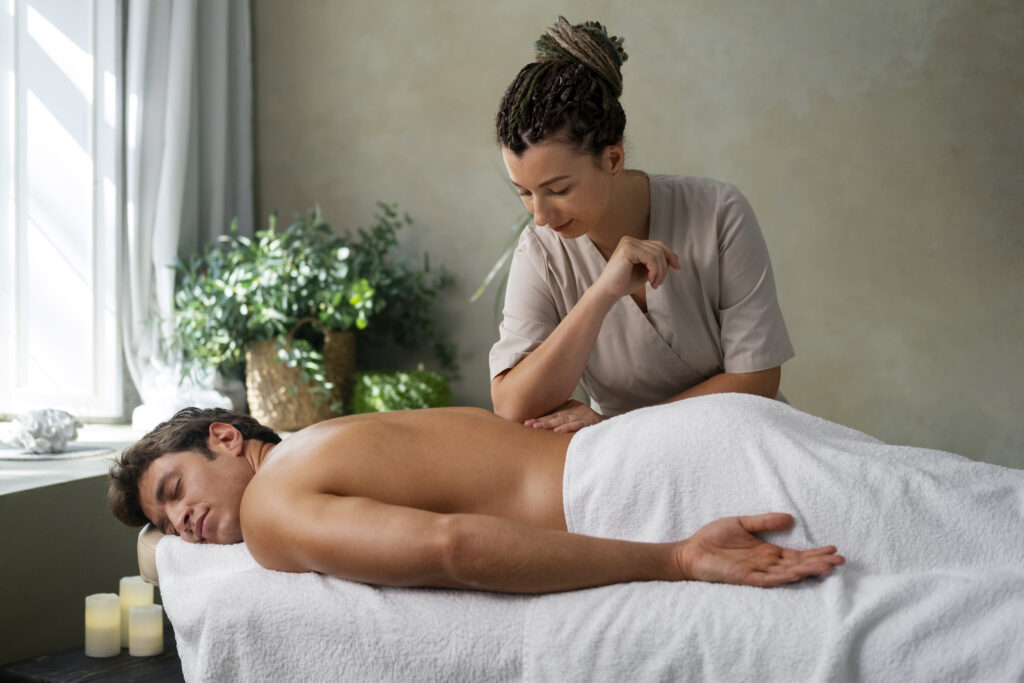
- Thai Massage blends pressure points, stretches, and energy line work to ease built-up tension, though the feel depends on your body’s current state and personal limits.
- Therapeutic discomfort fades into relief and better movement, whereas harmful sensations warn of possible strain and need quick attention.
- Thai massage pressure and Thai massage intensity are fully adjustable when you speak up, allowing a fit to your needs.
- Understanding Traditional Thai Massage means seeing how targeted stretches open restricted areas for better flow and ease.
- Track feelings with a simple scale, share concerns right away, and halt if necessary to keep things safe and helpful.
Table of Contents
- Understanding the Basics of Thai Massage
- What You Might Feel During a Session
- The Difference Between Good and Bad Pain
- Why Some Stretches Feel Intense
- How to Use a Pain Scale During Your Massage
- How to Let Your Therapist Know If Something Hurts
- When to Pause or Stop a Session
- Benefits That Come from Well-Handled Thai Massage
Understanding the Basics of Thai Massage
Thai Massage began many centuries ago in Thailand and was shaped by healing ideas from both India and China. Often called Nuad Thai, it focuses on the body’s energy lines, known as sen lines. The therapist uses steady pressure, gentle joint movements, and guided stretches to help the body feel balanced and relaxed. This type of massage is done on a mat on the floor, with comfortable clothing, and does not use oils. Unlike typical massages, it involves full-body movement and works more deeply on muscles and tissues.
The goal centers on boosting flexibility, cutting down stress, and supporting natural vitality. At Mali Healing Spa NYC in Midtown Manhattan, therapists with years of training adapt these methods, sometimes adding herbal elements for extra soothing. People often wonder about the discomfort level as it hinges on your muscle condition, past sessions, and the practitioner’s skill. Understanding Traditional Thai Massage helps see that certain intense feelings are part of freeing blocked areas, not a sign something’s wrong.
What You Might Feel During a Session
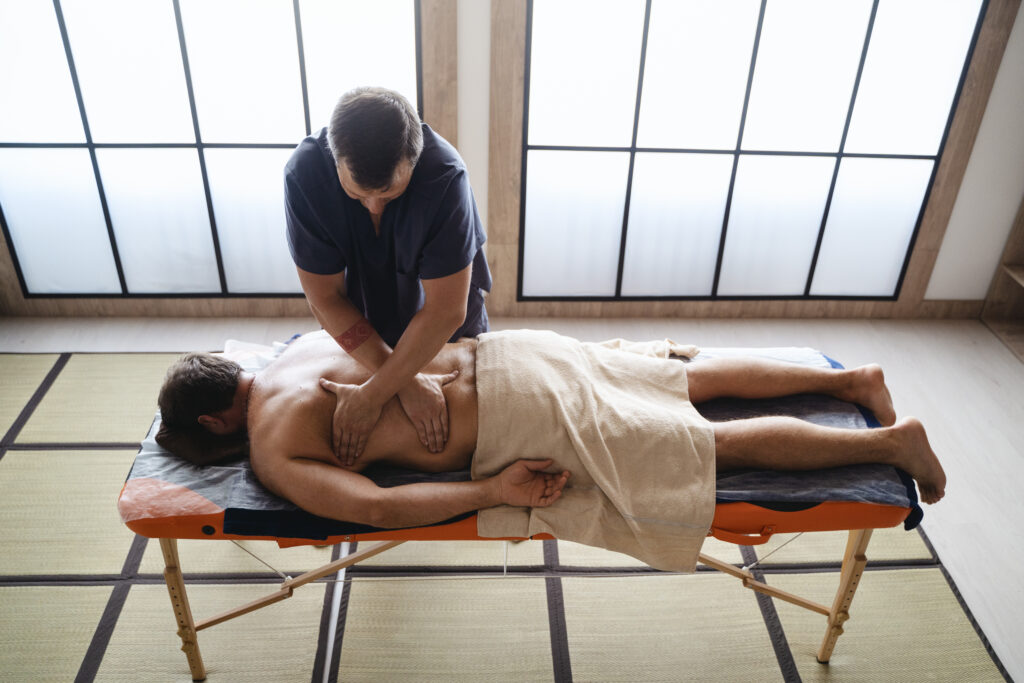
In a standard Thai Massage, you might notice everything from gentle warmth to sudden sharp points. In Thai massage, therapists press and stretch tight spots on the body using their hands, elbows, or feet. The massage pressure can feel stronger than a typical gentle massage, so it might seem unusual at first.
Tight spots in the lower back, hips, or neck are common from desk work or daily strain often resist at first, creating a buildup feel. As things progress, that usually shifts to looseness. Thai massage intensity matters a lot; stronger approaches can heighten this for those with stiff lifestyles. Bodywork insights point out these reactions help circulation, but everyone’s response differs.
The Difference Between Good and Bad Pain
Spotting the line between helpful and harmful sensations is vital for enjoying massage. Helpful discomfort feels deep and throbbing but stays within bounds, it’s the kind that challenges tight knots and brings better blood flow, ending in freer movement. Think of a solid thumb on a shoulder lump: brief sting, then noticeable ease.
If you feel sharp pain, burning, or constant soreness, it might be because your muscles are stretched too much or your nerves are pinched. This can sometimes cause swelling or bruising. At Mali Healing Spa NYC, our therapists watch carefully and make sure your pain doesn’t get worse, helping you feel relaxed and comfortable. Grasping the difference explains why some intensity works well without damage.
Why Some Stretches Feel Intense
Stretches set Thai Massage apart with their Thai massage intensity, guiding your limbs into yoga-inspired holds that reach far into tissues and joints. Daily habits can make muscles in areas like your legs or hips tight. When you stretch them, you may feel a strong pull because your body is protecting itself.
When done correctly, stretching helps lengthen the muscles, release natural relaxants, and improve movement. Things like low fluids or old tweaks can amp it up drink water ahead. Thai massage pressure in these moves builds slowly, avoiding sudden jolts.
How to Use a Pain Scale During Your Massage
A straightforward 1-to-10 pain scale can be quite useful for gauging your body’s reactions during a Thai massage. The lower end of the scale, from 1 to 3, corresponds to gentle, soothing sensations that promote relaxation and ease muscle tension, thereby alleviating stress. Levels 4 to 6 provide a moderate level of pressure, sufficient to address stubborn knots without inflicting pain. This is the “good pain” that boosts circulation and helps release tension in those areas that feel particularly stiff.
If the pressure climbs to a 7 or 8, it could be excessive or prolonged, a cue to inform your therapist so they can adjust. A 9 or 10 signifies pain that could be damaging, and the session should be halted to avoid harm. The scale is easy to use simply speak up if anything feels off. This helps your massage stay safe and suited to your needs.

How to Let Your Therapist Know If Something Hurts
Being honest with your therapist makes your Thai massage pressure just right. At the start, share your experience, limits, and preferences. Simple phrases like “Please go a bit lighter here” or “A little stronger on my legs” work perfectly.
Your body may give signals like flinching, but talking removes any guesswork. Even when the spa is busy, telling your therapist what feels right or wrong is easy. It helps you both work together, and most therapists are happy to make small changes to keep you comfortable.
When to Pause or Stop a Session
Protect yourself by watching for stop signals. Hold off if aches spread out, like tingling arms, or if light-headedness’ hits overdoing cues. End for joint cracks that worry, ongoing soreness, or upset feelings.
Mention recent issues or health notes beforehand; doctor input helps. Lingering bother afterward points to overstep. At Mali Healing Spa NYC, feedback anytime keeps focus on healing. Safety first ensures Thai Massage stays positive.
Benefits That Come from Well-Handled Thai Massage
Visiting a Thai massage therapist regularly can help your body relax and lower stress. Paying attention to what feels good and avoiding what doesn’t help you learn more about your body and develop healthier habits.
Thai massage strengthens both your body and mind. When done consistently, it brings better results and becomes an important part of your self-care routine.
Common Questions About Thai Massage
Does Thai massage hurt for first-timers?
Some people feel stronger thai massage pressure at first, but therapists can adjust it to your comfort. Starting with lighter pressure makes the experience easier to handle.
How does massage pressure affect how I feel afterward?
The intensity of the massage changes how your muscles feel afterward. Moderate pressure usually causes only mild soreness that goes away quickly, while very strong pressure can leave your muscles sore longer. Talking with your therapist about the pressure helps make it comfortable for you.
Is skipping stretches an option if intense? Yes; customize to pressure points only if that fits better.
What about lower tolerance levels? If you have a lower tolerance for pressure, let your therapist know at the start. They can adjust the massage to be gentler while still effective.
Embracing Sensations in Your Thai Massage Experience
Sorting therapeutic from risky feelings shows full body massage as a strong path to renewal when guided well. These pointers turn hesitation into confidence for deeper wellness. Schedule at Mali Healing Spa NYC to feel it firsthand.

Related Posts

Thai Massage vs Physical Therapy: Which Is Better for Mobility?

Spiritual Benefits of Thai Massage: 7 Powerful Ways It Awakens Inner Healing