

Deep Tissue Massage in Midtown
Release the desk-and-train tension, steps from Grand Central. 60 and 90-minute sessions with experienced therapists.
Deep Tissue Massage Therapy relieves tension and Pain Effectively
Deep tissue massage is a therapeutic technique designed to address chronic pain, muscle tension, and various physical ailments.
By focusing on the deeper layers of muscle and connective tissue, this method aims to alleviate persistent discomfort and promote overall well-being.
In this comprehensive guide, we’ll explore what deep tissue massage is, its benefits, why you should experience it, and the types of pain it can help alleviate. Additionally, we’ll answer some frequently asked questions to provide a thorough understanding of this powerful therapy.
What is a Deep Tissue Massage?
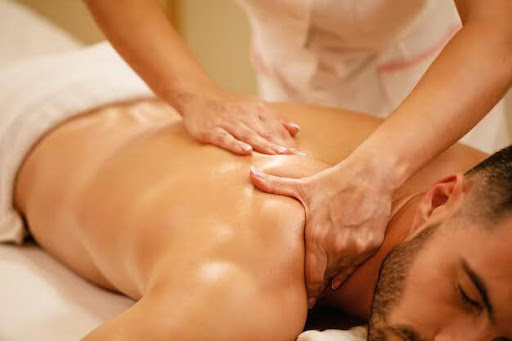
Deep tissue is a specialized form of massage therapy that targets the deeper layers of muscle and connective tissue. Unlike a standard massage that primarily works on the surface layers, deep tissue massage employs slow, deliberate strokes and firm pressure to reach the underlying muscle layers. This technique is designed to break down adhesions (knots) and improve blood flow to the affected areas.
The therapist typically uses their fingers, knuckles, elbows, or forearms to apply the necessary pressure. This approach can be intense but is aimed at providing long-lasting relief from chronic pain and muscle tension. Deep tissue massage is beneficial for those dealing with persistent issues that haven’t been resolved through lighter massage techniques.
Benefits of Deep Tissue Massage
This massage offers a range of benefits, addressing both physical and mental well-being. Here are some of the key advantages:
Deep Tissue Massage in the Heart of Midtown Manhattan
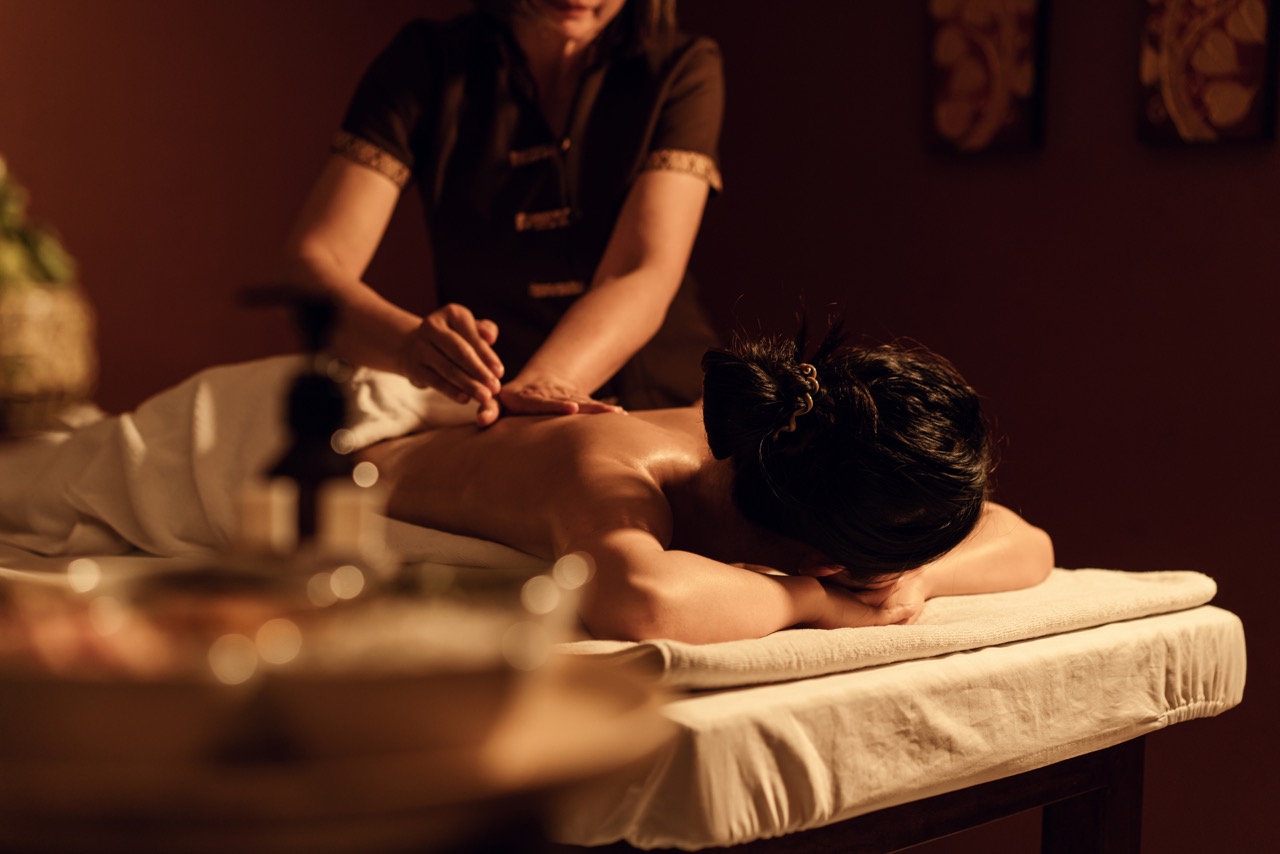
At Mali Healing Spa, our deep tissue work is done by Thai-trained therapists in a calm, private studio at 315 Madison Avenue (Suite 2500) — in the heart of Midtown Manhattan, just steps from Grand Central and a short walk from Penn Station. Since 2022, we’ve become a go-to for Midtown professionals, desk-bound office workers, and commuters carrying the kind of deep neck, shoulder, and lower-back tension that a light massage never touches.
If you work in Midtown and your shoulders live up by your ears by 3 p.m., this is the treatment for you. Our therapists use slow, firm, targeted pressure to release the chronic knots that build from long hours at a desk — then send you back into your day (or home) genuinely looser. With a 4.9-star rating across 200+ reviews, we’re one of the most trusted massage studios in the neighborhood. Walk-ins and same-day Midtown appointments are often available. Exploring your options nearby? See our guides to massage in Midtown Manhattan, massage near Grand Central & Penn Station, and Thai & Asian massage in Midtown.
Benefits of Deep Tissue Massage
This massage offers a range of benefits, addressing both physical and mental well-being. Here are some of the key advantages:
Pain Relief
One of the primary reasons people seek deep tissue massage is for pain relief. By targeting the deeper layers of muscle, this therapy can effectively alleviate chronic pain and discomfort caused by various conditions such as arthritis, sciatica, or sports injuries.
Reduced Muscle Tension
Muscle tension is often a result of stress, poor posture, or overuse. Deep tissue massage helps to release muscle tightness, improving flexibility and reducing the risk of injury. It can also aid in the recovery of strained muscles by promoting relaxation and reducing muscle spasms.
Improved Posture
Poor posture can lead to a variety of health issues, including back pain and neck strain. Deep tissue massage works on the muscles and connective tissues that support the spine, helping to correct imbalances and improve overall posture.
Enhanced Circulation
The deep pressure applied during a deep tissue massage encourages improved blood flow to the muscles. Enhanced circulation helps to deliver oxygen and nutrients to the tissues, which can accelerate the healing process and reduce muscle soreness.
Stress Reduction
While deep tissue massage is known for its physical benefits, it also has a profound effect on mental well-being. The process of releasing muscle tension can contribute to a reduction in overall stress levels, promoting relaxation and mental clarity.
Increased Flexibility
By addressing tight muscles and breaking down adhesions, deep tissue massage can improve flexibility and range of motion. This is particularly beneficial for athletes or individuals who engage in regular physical activities.
Why You Should Experience Deep Tissue Massage
Experiencing deep tissue massage can be transformative for those struggling with chronic pain or muscle tension. If you’re in the New York City area, a Traditional Thai massage NYC experience can further enhance the benefits, combining traditional Thai techniques with the intensity of deep tissue work. Here’s why you should consider incorporating this therapy into your wellness routine:

Effective for Chronic Conditions
If you suffer from chronic conditions such as lower back pain, fibromyalgia, or muscle stiffness, deep tissue massage offers targeted relief. Its ability to address deep-seated muscle issues makes it a valuable tool in managing and alleviating long-term pain.
Holistic Approach
Deep tissue massage provides a holistic approach to healing by addressing not just the symptoms but also the root causes of discomfort. It promotes overall well-being by combining physical and mental health benefits.

Customizable Treatment
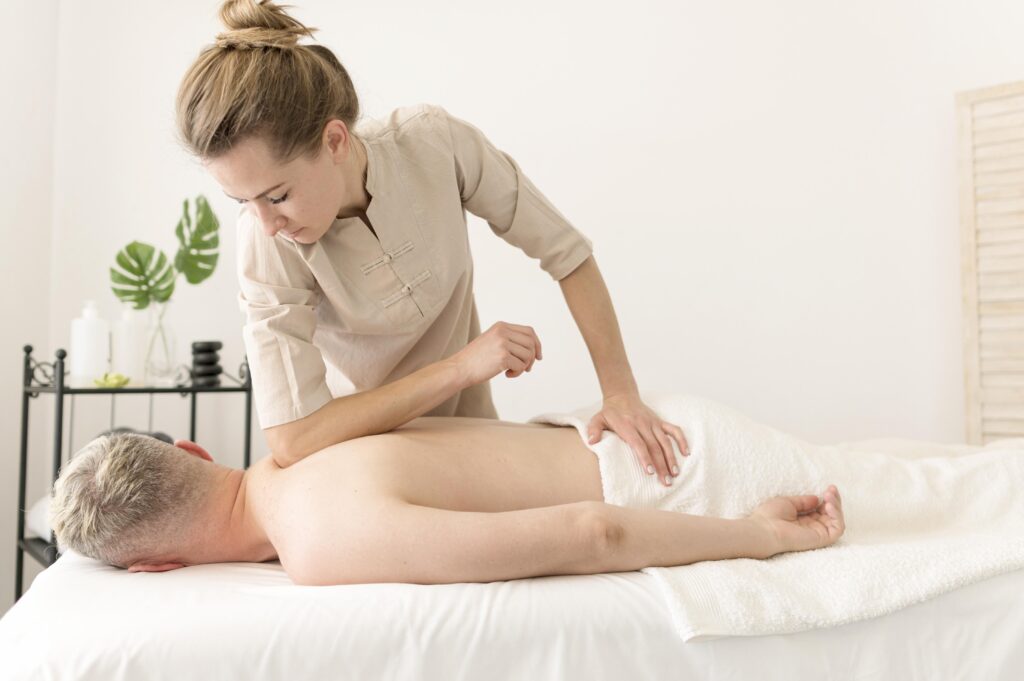
Every individual’s needs are unique, and deep tissue massage can be customized to address specific issues. Whether you need to focus on a particular area or a comprehensive full-body treatment, a skilled therapist can tailor the session to your requirements.
Complementary Therapy
Deep tissue massage can be used alongside other treatments, such as physical therapy or chiropractic care, to enhance overall results. It complements other therapeutic approaches by improving muscle function and reducing pain.
What Kinds of Conditions Can Deep Tissue Massage Treat?
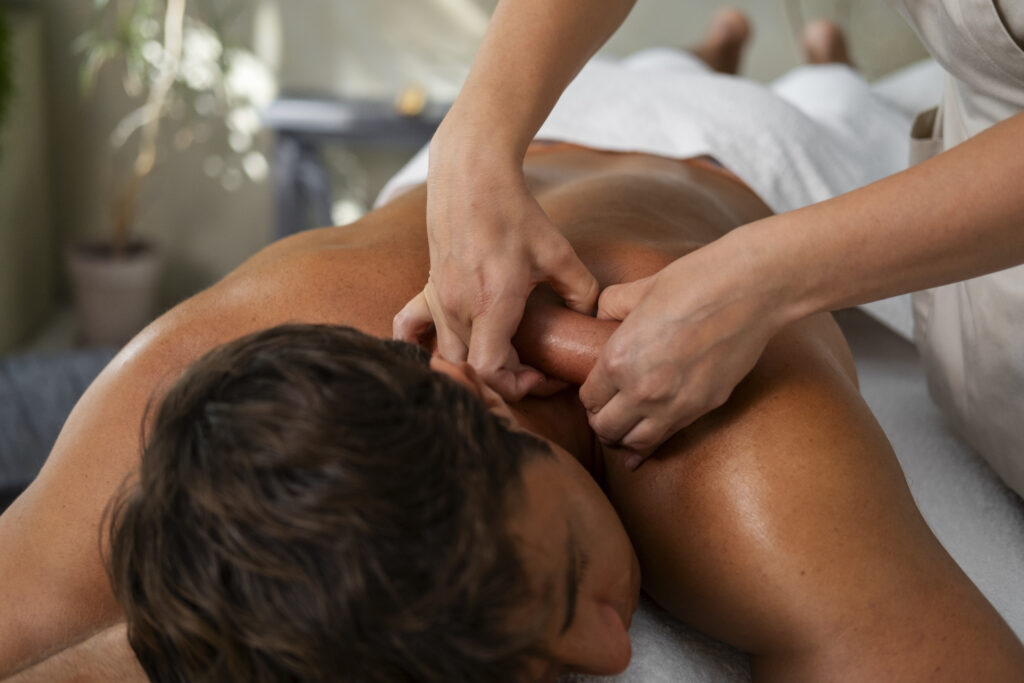
Deep tissue massage is renowned for its ability to address a variety of conditions, particularly those involving chronic pain and muscle tension. By focusing on the deeper layers of muscle and connective tissue, this therapy can offer significant relief for several common conditions. Here’s a closer look at the types of conditions that can benefit from deep tissue massage:
Effective for Chronic Conditions
If you suffer from chronic conditions such as lower back pain, fibromyalgia, or muscle stiffness, deep tissue massage offers targeted relief. Its ability to address deep-seated muscle issues makes it a valuable tool in managing and alleviating long-term pain.
Holistic Approach
Deep tissue massage provides a holistic approach to healing by addressing not just the symptoms but also the root causes of discomfort. It promotes overall well-being by combining physical and mental health benefits.
Customizable Treatment
Every individual’s needs are unique, and deep tissue massage can be customized to address specific issues. Whether you need to focus on a particular area or a comprehensive full-body treatment, a skilled therapist can tailor the session to your requirements
Complementary Therapy
Deep tissue massage can be used alongside other treatments, such as physical therapy or chiropractic care, to enhance overall results. It complements other therapeutic approaches by improving muscle function and reducing pain.
Customizable Treatment
Every individual’s needs are unique, and deep tissue massage can be customized to address specific issues. Whether you need to focus on a particular area or a comprehensive full-body treatment, a skilled therapist can tailor the session to your requirements
Explore Our Full Range of Massage & Wellness Services
Our therapeutic and specialty massages focus on restoring mobility, easing stress, and enhancing overall wellness.
How long does a deep tissue massage session last?
A typical deep tissue massage session lasts between 60 to 90 minutes. However, the duration can be adjusted based on your needs and preferences.
How often should I get a deep tissue massage?
The frequency of deep tissue massage varies depending on individual needs and conditions. Some people may benefit from weekly sessions, while others may find bi-weekly or monthly treatments sufficient.
Can I receive a deep tissue massage if I have a medical condition?
It is essential to consult with your healthcare provider before starting deep tissue massage if you have any medical conditions. Your therapist should also be informed of any conditions to ensure the massage is safe and effective.
What should I do after a deep tissue massage?
After a deep tissue massage, it’s beneficial to drink plenty of water to help flush out toxins released during the session. You may also experience some muscle soreness, which is normal and should subside within a few days.
Who should get a deep tissue massage?
It is ideally recommended for people suffering from chronic muscle pains, sports injuries, or postural issues.
Do you offer Deep tissue massage for athletes in NYC??
Yes, deep tissue massage is among the most recommended therapies to relieve muscle pain and stress. We offer this service to athletes in NYC.
Where can I get a deep tissue massage near Grand Central?
Mali Healing Spa is at 315 Madison Avenue, Suite 2500 — about a 3-minute walk from Grand Central Terminal and easily reachable from Penn Station. We offer deep tissue sessions from 30 to 120 minutes, with same-day Midtown appointments often available.
Is deep tissue massage good for desk workers and office tension?
Absolutely. Deep tissue is one of the most effective treatments for the neck, shoulder, and upper-back tension that builds from long hours at a computer. It's one of the most-requested services among our Midtown professional clients.How do I ask for more or less pressure during my massage?
Just say the word, at any point. Your therapist will check in as they work, and you can ask for deeper or lighter pressure at any time, in plain language. It is adjusted on the spot, and the session is always yours.