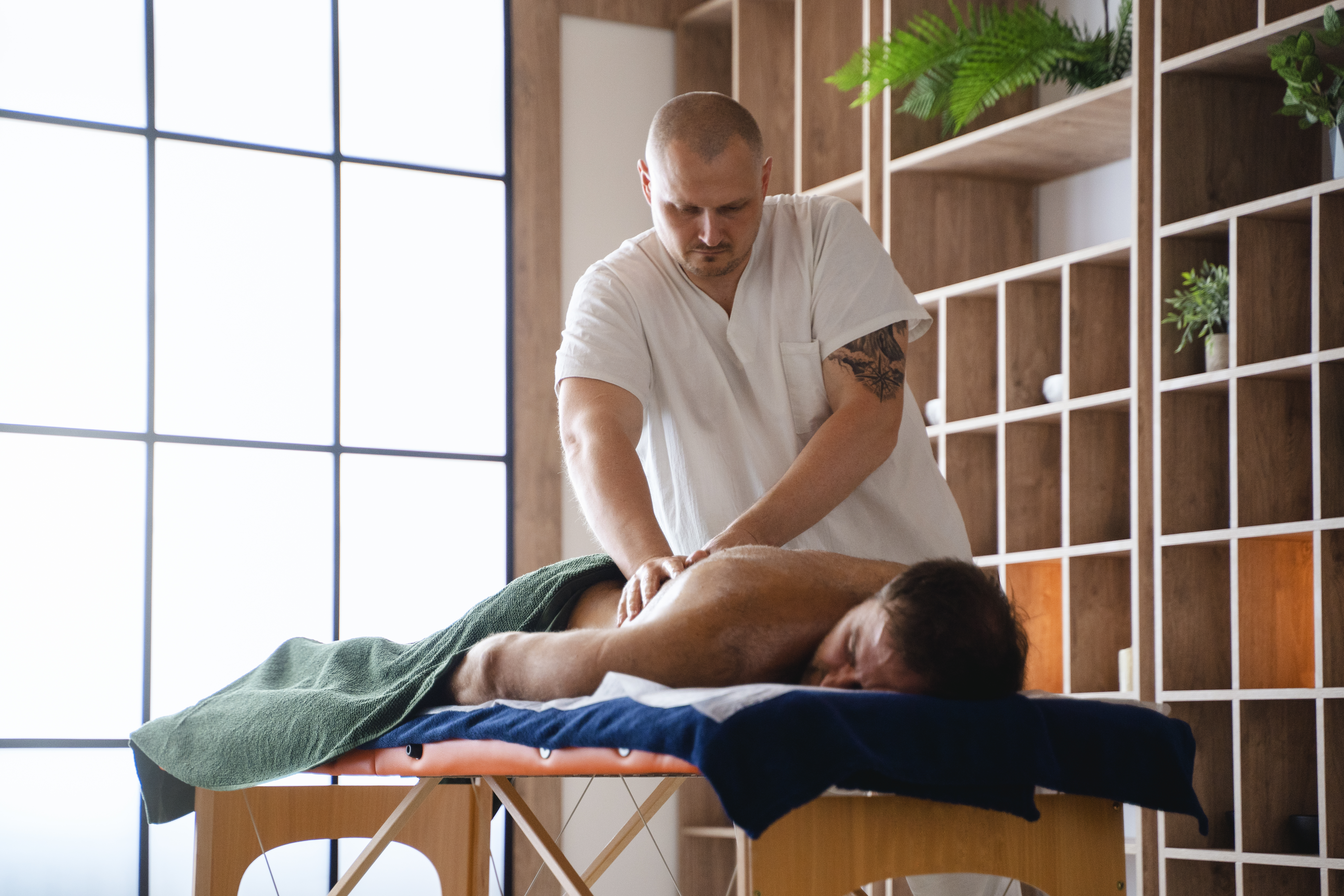
Muscle tension is common for men who lift weights, sit for long hours, or deal with physically demanding routines. Tightness often builds in the neck, shoulders, lower back, and hips, making daily movement feel restricted. When looking into the best techniques for men’s muscle tension in NYC, the focus usually comes down to targeted pressure, consistent bodywork, and selecting the right massage style for your muscle type.
At Mali Healing Spa NYC, men can choose from deep tissue, Thai massage, combination massage, and other focused treatments designed to address tight muscle groups in a calm Midtown environment. Understanding which techniques work best can help you manage stiffness and improve flexibility over time.
Blog Objective
This blog explains the most effective massage techniques for men’s muscle tension in NYC, how they work, and what to expect during a session so readers can choose wisely.
Key Takeaways
- Men often hold tension in their shoulders, back, hips, and legs
- Deep tissue and Thai stretching techniques are commonly used for tight muscles
- Targeted pressure can help reduce muscle knots
- Consistency plays a role in long-term relief
- Choosing the right technique depends on your activity level and muscle density
Why Do Men Experience More Muscle Tension?
Men often engage in strength training, physical labour, or long hours at a desk. These habits can lead to shortened muscles and tight fascia. Over time, this creates stiffness and reduced mobility.
Common tension areas include:
- Upper back and shoulders
- Lower back
- Hamstrings
- Calves
- Chest muscles
When muscles stay tight for long periods, they can form knots that feel tender or restricted. That is where specific massage techniques can help.
Which Massage Techniques Work Best for Tight Muscles?
Several techniques are used to reduce tension effectively.
1. Deep Tissue Massage
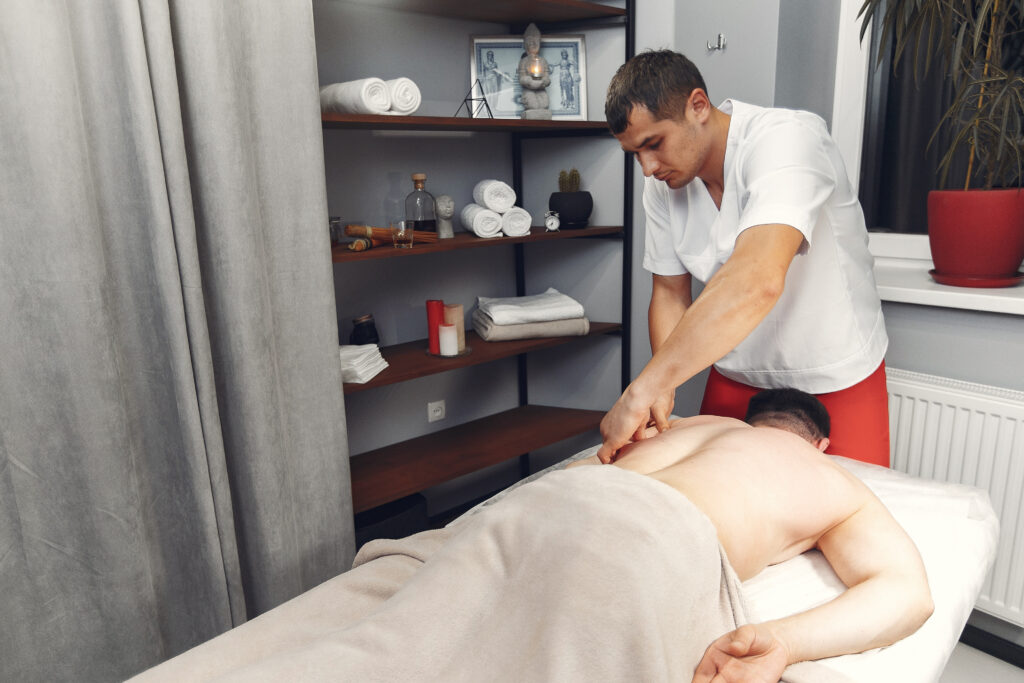
Deep tissue focuses on slow, firm pressure to reach deeper muscle layers. This is often recommended for chronic tightness and post-workout soreness.
In sessions centered on deep tissue for men’s tension in Manhattan, therapists use elbows, forearms, and steady compression to work through dense muscle tissue.
2. Thai Stretching Techniques
Thai massage includes assisted stretching. It helps lengthen tight muscles and improve joint mobility. This style can feel energizing while also relieving stiffness.
3. Trigger Point Therapy
Trigger point work targets small, tight muscle bands. Sustained pressure is applied directly to the knot until it begins to release. This is often used in male massage techniques and muscle knot sessions.
4. Combination Massage
A blend of techniques allows therapists to adjust pressure and stretching within one session. This can be helpful for men who have both tight and sensitive areas.
How Do These Techniques Compare?
Here is a simple breakdown:
| Technique | Pressure Level | Best For | Sensation |
| Deep Tissue | Firm | Chronic tightness | Focused and intense |
| Thai Massage | Moderate | Flexibility | Stretching and rhythmic |
| Trigger Point | Targeted | Muscle knots | Direct pressure |
| Combination | Adjustable | Mixed tension | Balanced |
Understanding these differences helps when choosing the best techniques for men’s muscle tension in NYC for your needs.
What Should You Expect During a Session?
Every session starts with a short conversation about tight areas and pressure preference.
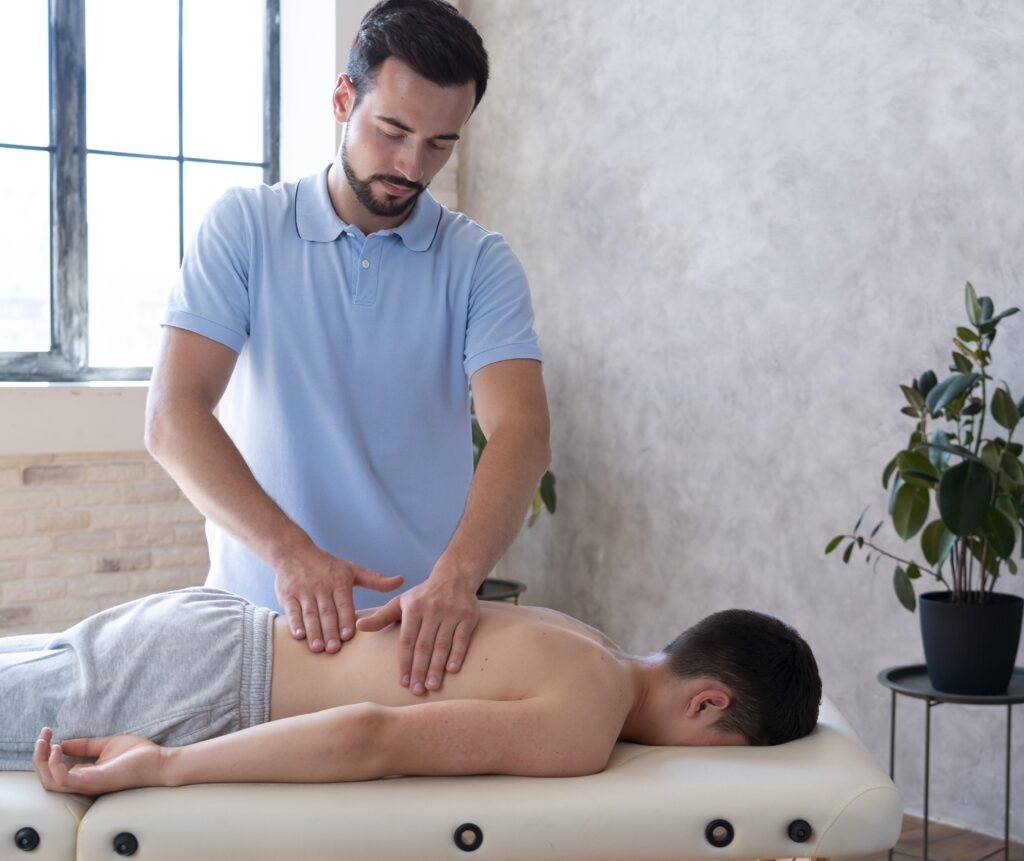
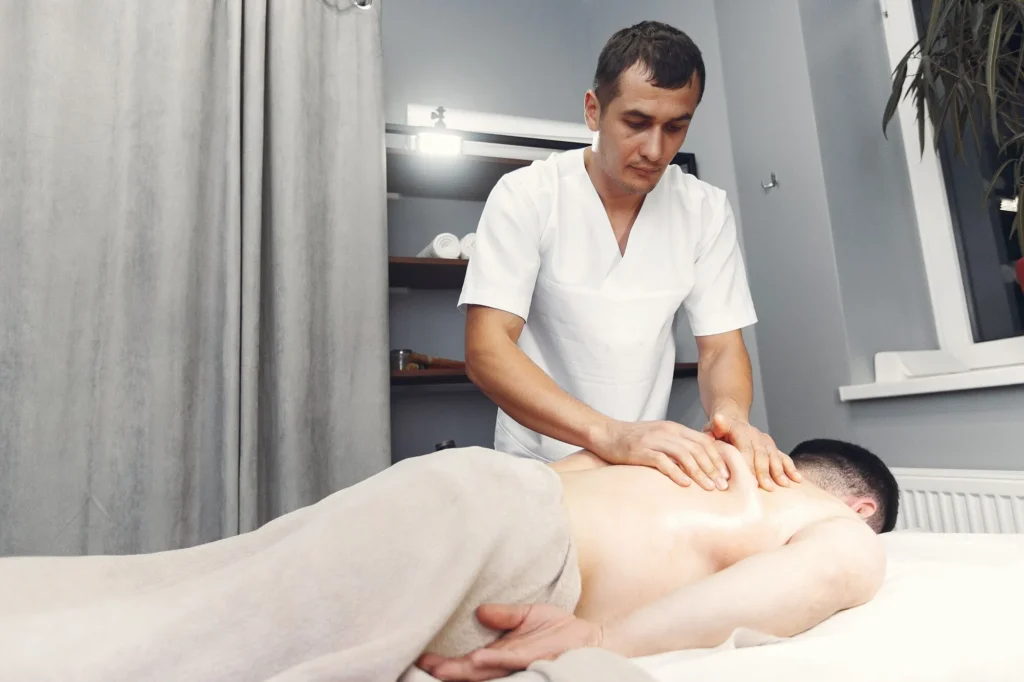
During a massage designed for men’s muscle tension relief in NYC, you may notice:
- Slow, steady pressure
- Focused work on problem areas
- Stretching movements, if Thai techniques are included
- Gradual softening of tight muscles
Breathing steadily during pressure helps muscles relax more effectively.
At Mali Healing Spa NYC, therapists adjust intensity based on feedback to keep sessions effective and comfortable.
How Often Should Men Get Massages for Tension?
Frequency depends on lifestyle.
- Active gym goers may benefit from sessions every two to three weeks
- Desk workers might schedule once a month
- Those with chronic tightness may require consistent care initially
Consistency supports muscle maintenance and helps prevent stiffness from returning quickly.
When searching for the best massage for men’s tight muscles in NYC, remember that results improve with regular sessions rather than a one-time visit.
Can Massage Prevent Muscle Tightness?
Massage cannot replace stretching or strength training, but it supports recovery and flexibility. Combined with hydration and movement, it helps maintain healthier muscle tissue.
Men who train heavily often use massage as part of their recovery routine. It may help improve the range of motion and reduce discomfort after intense workouts.
Who Benefits Most From These Techniques?
These techniques may help men who:
- Lift weights regularly
- Sit for extended hours
- Experience recurring neck and shoulder tension
- Have lower back tightness
- Deal with sports-related stiffness
At Mali Healing Spa NYC, clients often combine deep tissue and Thai sessions to balance strength work with flexibility.
Frequently Asked Questions
1. What is the best massage for tight shoulders?
Deep tissue and trigger point therapy are often effective for shoulder tension.
2. Is deep tissue massage painful?
It can feel intense in tight areas, but it should not feel sharp or unbearable.
3. How long does muscle relief last after a session?
Relief can last several days to weeks, depending on activity level and muscle condition.
4. Can Thai massage help tight hamstrings?
Yes. Thai stretching techniques can improve flexibility in the legs.
5. How do I know which technique is right for me?
Consider your tension level, activity habits, and comfort with pressure.
Conclusion
Managing muscle tension requires the right combination of pressure, stretching, and consistency. Deep tissue, Thai massage, trigger point therapy, and combination sessions each offer benefits depending on your needs.
If you’re seeking relief for tight muscles in a tranquil Midtown environment, Mali Healing Spa NYC offers massage sessions customized to enhance recovery and flexibility. Regular bodywork can help you maintain mobility, reduce stiffness, and achieve a better sense of balance in your daily routine.

Related Posts

Is Couples Massage Worth It? Real Benefits Backed by Psychology

Is Thai Massage Safe for Seniors and Arthritis Patients?