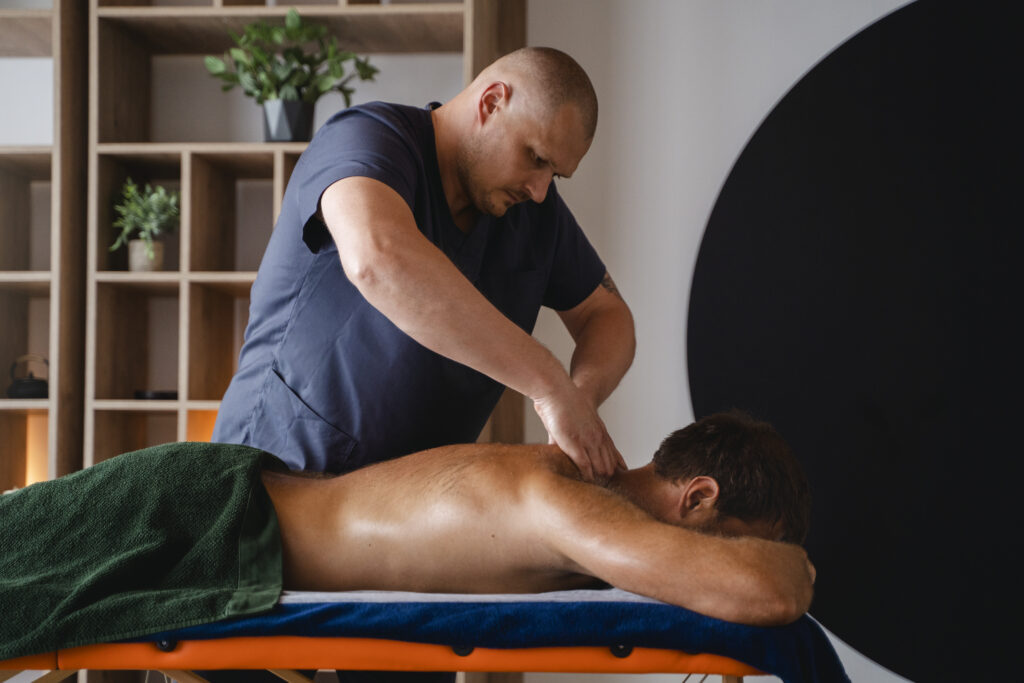

Millions of Americans have problems related to the mobility of their joints that make everyday life hard like tying your shoelaces or just enjoying those kinds of physical activities that bring pleasure. In the search for relief, many turn to two of the most common options for mitigating joint problems and improving mobility: traditional Thai massage and physical therapy.
Comparing Thai massage vs physical therapy for mobility problems, they stand at a crossroads where they have to make a choice on which modality of therapy is more desirable. If you happen to be in New York City and are in search of professionals for assisted stretching in NYC, you may want to consider Mali Healing Spa NYC for the authenti Thai massages they offer that combine ancient healing wisdom with modern therapeutic techniques to restore your body’s natural mobility.

Key Takeaways
- Thai massage uses passive stretching and compression techniques, while physical therapy employs targeted exercises and rehabilitation protocols
- Both methods are effective in improving your mobility, though these have different uses in your fitness program
- Thai massage is excellent for overall flexibility enhancement and relieving stress patterns, while physical therapy centers on addressing a specific injury or limited ability
- Using the combination of both modalities can lead to improved outcomes in cases of chronic mobility difficulties
- The choice between these two therapeutic approaches should be based on your individual condition, goals, and preferences.
Understanding Thai Massage: “Ancient Wisdom and Modern Mobility”
Thai stretching therapy has been practiced for more than 2,500 years, and it originated from Thai temples, which were practiced by monks who needed flexibility for extended periods of meditation. The therapist employs their hands, knees, legs, and feet to lead you through a series of yoga-like stretches and apply rhythmic presses along pathways of energy referred to as ‘Sen’. Joint mobility massage is effective through:
- Decompressing joints by gentle traction
- Increasing muscle length through passive stretching
- Enhancing Synovial Fluid Production
- Stimulation of the parasympathetic part of the Autonomic Nervous System
What Physical Therapy Offers on the Table
Physical therapy presents a clinical approach for addressing any mobility problems you are experiencing. This type of therapy involves licensed physical therapists who evaluate patients’ movements to devise a plan
- Manual therapy techniques, such as joint mobilizations and soft tissue techniques
- Therapeutic exercises that are used to strengthen weakened muscles.
- In addition, neuromuscular re-education is used to enhance movement patterns.
Physical therapists excel at diagnosing underlying biomechanical issues causing your mobility restrictions.
The Flexibility Factor: How Each Approach Improves Range of Motion
The comparison of the massage therapy techniques, especially flexibility improvement massage with various forms of physical therapy exercises, underlines that both techniques are useful in different ways.
Thai Massage for Flexibility:
Thai massage produces acute gains in flexibility due to the passive stretching of muscles beyond their normal range. The therapist controls the stretch intensity, thus enabling deeper lengthening than most people achieve on their own. A 2015 study in the International Journal of Therapeutic Massage and Bodywork showed that Thai stretching therapy increased sit-and-reach scores by an average of 3.5 inches after eight sessions.
Approach of Physical Therapy:
PT helps improve flexibility through active stretching, strengthening exercises, as well as correcting muscle imbalances which restrict movement. Your physical therapist will show you how to manage your condition through various techniques.
As PT also demands active participation by the individual, it increases flexibility in the long run by training the body’s nervous system to adjust to new ranges of movement. This yields more lasting effects but can be more time-consuming.
When to Choose Thai Massage
Thai massage vs physical therapy for mobility: Which is more effective? It is important to consider what each method works best on, to better understand which is more suited to particular needs.
Use Thai massage if you need:
- Removal of stress along with mobilization techniques
- General flexibility improvement without particular injury
- Maintenance between physical therapy sessions
- Muscle relaxation after exercising or spending a long time sitting
Athletes also benefit significantly from assisted stretching in NYC, as Thai massage is a passive technique that allows the body to relax while effectively addressing muscular tightness and joint restrictions, which can be difficult to achieve during exercise. Joint mobility massage therapies available in Thai treatments are even more valuable for office workers who develop poor posture as a result of their office chairs.
When Physical Therapy Is Your Best Option
Go for physical therapy in cases involving:
- Injuries that need rehabilitation
- Post-surgical recovery
- Back and Neck Pain, Sciatica and Disc Problems
- Significant strength deficits limiting function
- Conditions requiring medical diagnosis and consultation with other healthcare professionals.
Physical therapy is an essential part of your treatment plan if your mobility problems have medical origins and require a team approach to treatment.
Considerations
Your choice of one over the other should reflect your:
- Current Health Status: The medical oversight of PT is required for currently active injuries or post-surgical conditions, while Thai massage aligns with general needs related to stiffness and maintenance.
- Aims: The trail can vary according to the aim; whether it is meant for healing from an injury or reaching optimum health and fitness.
- Budget: PT may be insurance-covered for medical conditions, while Thai massage is typically self-pay.
- Time commitment: PT often requires several sessions a week and home exercises while Thai massage can be scheduled less frequently for maintenance.
- Personal taste: Some people like PT’s active involvement; others like to passively relax with Thai massage.
Regain Your Active Independence
It is not a question of Thai massage vs. physical therapy for mobility; this is about understanding which tool would serve your current needs. Both are evidence-based modalities that bring forth benefits based on research and clinical experience. The best practice has elements of both like starting to utilize PT to work on specific limitations while incorporating Thai massage for the continued maintenance of flexibility and stress relief.
Joint Mobility Massage at Mali Healing Spa NYC helps NYC residents move more easily and live more joyfully, thanks to experts this massage therapy that seamlessly blends traditional Thai massage therapy expertise and an understanding of modern movement science for effective relief and results from the very start. Book Your Appointment Now!
Can Thai massage replace physical therapy for an injury?
No, while Thai massage can be beneficial during the rehabilitation process, acute injuries or post-surgical rehabilitation necessitate the expertise which only licensed physical therapists can offer.
Is Thai stretching painful?
A "good stretch" should be the feeling that should be derived, but not pain. Communication during the massage is necessary to ensure that the techniques being used are comfortable but still beneficial.
How often should I get Thai massage for mobility maintenance?
It is common for individuals to require bi-weekly sessions at first and then have monthly sessions and stretching exercises at home.
Does insurance cover Thai massage?
Typically, health insurance won’t pay for Thai massages; however, some FSA/HSAs may be utilized to pay for massages.

Related Posts
What Are the Benefits of Back Walking Massage for Chronic Back Pain?

Best Essential Oils Used in Professional Aromatherapy Massage in NYC