Did You Know?
According to the National Center for Complementary and Integrative Health (NCCIH), about 19% of U.S. adults used complementary health approaches, such as massage therapy, in the past year. Massage therapy is often sought for relief from pain, stress, and to improve overall well-being.
Getting a massage isn’t just pampering anymore, though that’s a nice bonus! More people are using massage therapy for real health issues. When comparing Thai massage vs other massage styles, it comes down to understanding what each one’s designed to do.
Key Takeaways
- Traditional Thai massage uses stretching on the floor, focuses on energy lines, and dramatically boosts flexibility
- Swedish massage offers gentle table-based relaxation with oils, perfect for stress relief
- Deep Tissue delivers firm pressure targeting chronic pain and stubborn muscle knots
- Pressure ranges from light (Swedish) to medium firm (Thai) to intense (Deep Tissue)
- Pick based on your goal: Thai for flexibility, Swedish for stress, Deep Tissue for pain
Your comfort with pressure and wellness goals should guide your choice
Table of Contents:
- What Makes These Three Massage Styles Different
- How Much Pressure Does Each Massage Style Use?
- Which Massage Style Involves Stretching?
- What Techniques Do Therapists Use in Each Massage?
- Does the Floor vs Table Setup Really Matter?
- How Do Pain Levels and Flexibility Compare?
- Which Is Best for Your Specific Goal Thai massage vs other massage styles?
- Frequently Asked Questions
- Which Massage Style Should You Book Next?
What Makes These Three Massage Styles Different?
Here’s the thing about understanding Thai massage vs other massage styles, they come from totally different healing philosophies.
Traditional Thai massage goes back over 2,500 years. It’s all about invisible energy pathways called “sen” running through your body. The goal? Clear the traffic jams in these energy lines using stretches and pressure points.
Swedish massage is pure Western thinking. Created in Sweden back in the 1830s, it’s based on anatomy and how muscles work. No energy lines here just muscle manipulation to get your blood flowing.
Deep Tissue took Swedish massage and said, “Let’s go deeper.” It targets those stubborn knots that seem to live permanently in your shoulders or lower back.
How Much Pressure Does Each Massage Style Use?
Let’s talk about pressure because this is where people get surprised.
Traditional Thai massage gives you medium to firm pressure. The therapist uses everything hands, elbows, knees, sometimes even feet. It sounds intense, but it’s rhythmic.
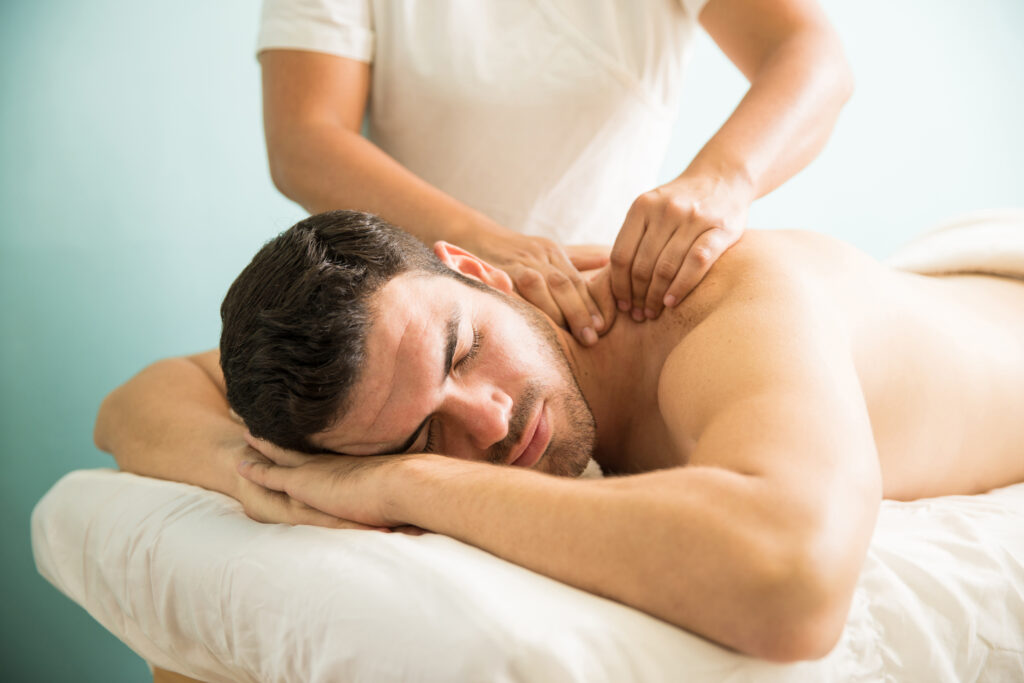
Swedish massage is the gentle giant. Light to medium pressure with long, flowing strokes that feel like you’re melting into butter. It’s the type of massage most people imagine when they think of relaxation.
Deep Tissue lives up to its name. Firm to intense pressure going after deep muscle layers. It can be uncomfortable but here’s the key: uncomfortable is okay, sharp pain is not.
When you’re searching for the best massage type for your needs, think about your pressure tolerance. First-timer? Begin with Swedish and then progress from there.
Which Massage Style Involves Stretching?
This is where Authentic Thai massage really stands out. Imagine lying there while someone does yoga poses with your body except you don’t do any work. They’re moving your arms overhead, pressing your knees to your chest, twisting you gently. You’ll end up in positions you haven’t been in since childhood.
This makes authentic Thai massage perfect if you feel stiff getting out of bed or can’t touch your toes anymore. Office workers love this because sitting hunched over for eight hours wrecks your body.
Swedish massage has some movement. Your therapist might lift your arm or rotate your shoulder. But it’s more about supporting the massage than being the main show.
Deep Tissue throws in stretching occasionally after working through a stubborn knot. Consider it a perk, not the centrepiece.
if flexibility is high on your list, authentic Thai massage should be your first stop.
What Techniques Do Therapists Use in Each Massage?
The techniques show how different these massages really are.
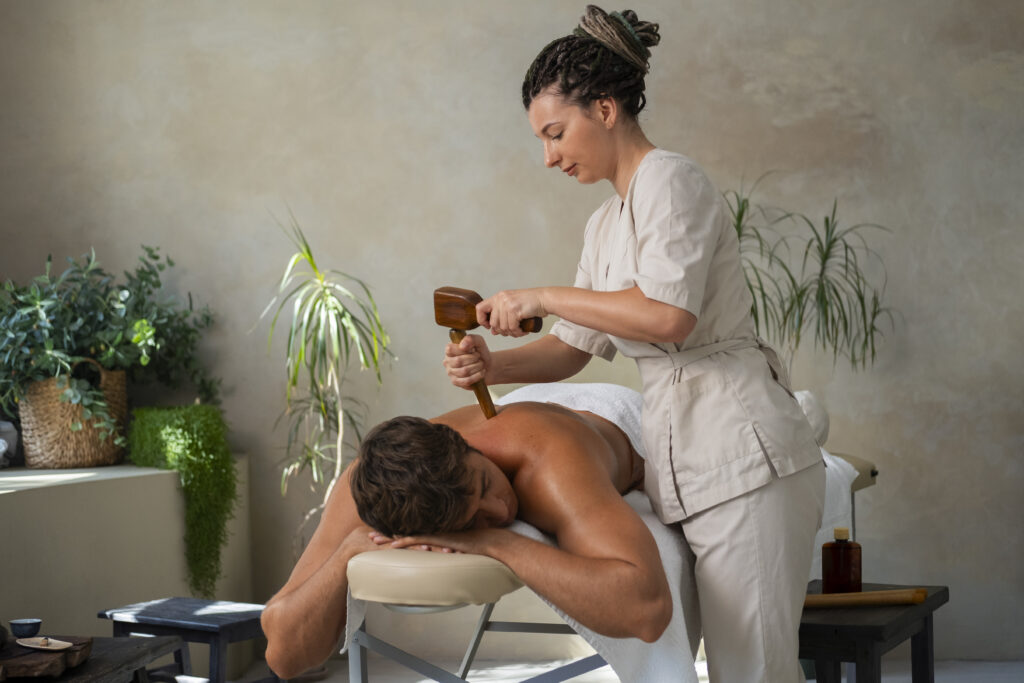
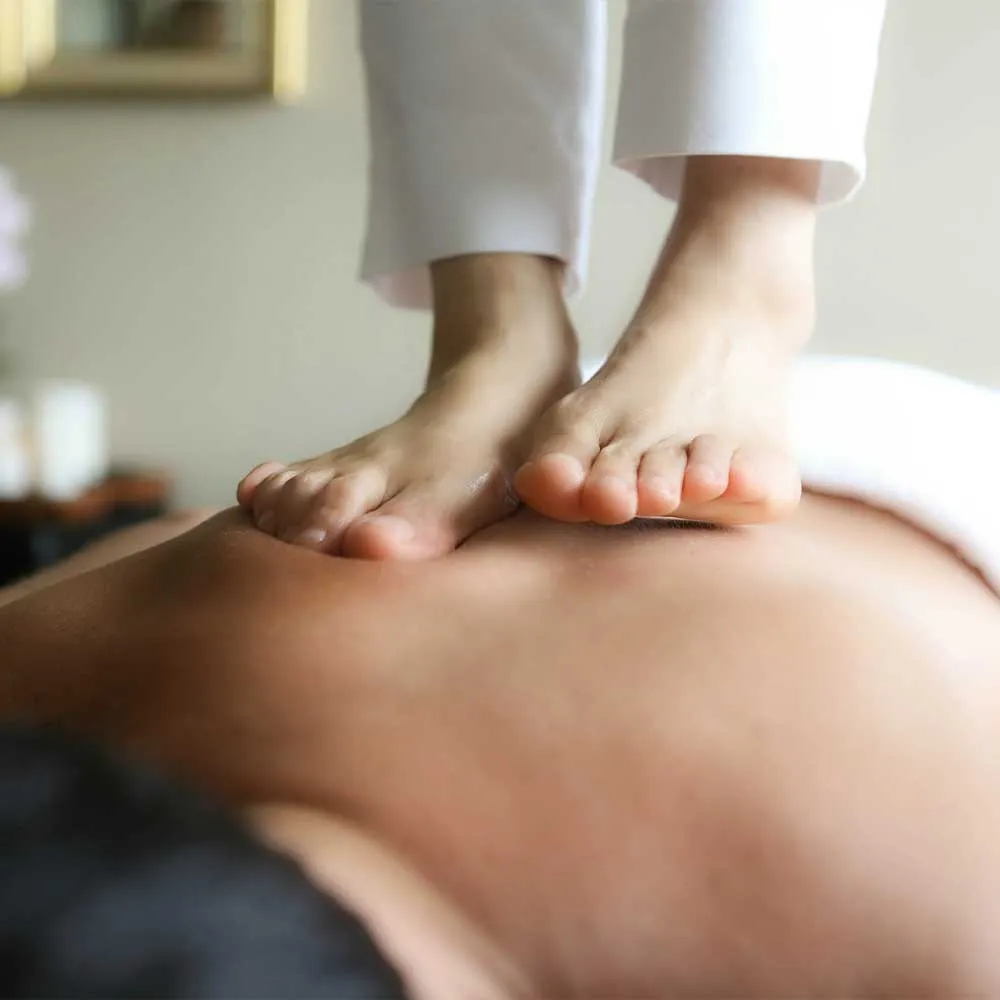
Traditional Thai therapists treat their whole body like a toolbox. They press with palms, use elbows for deeper spots, maybe walk on your back, and constantly rock you. It’s almost like a dance everything flows together.
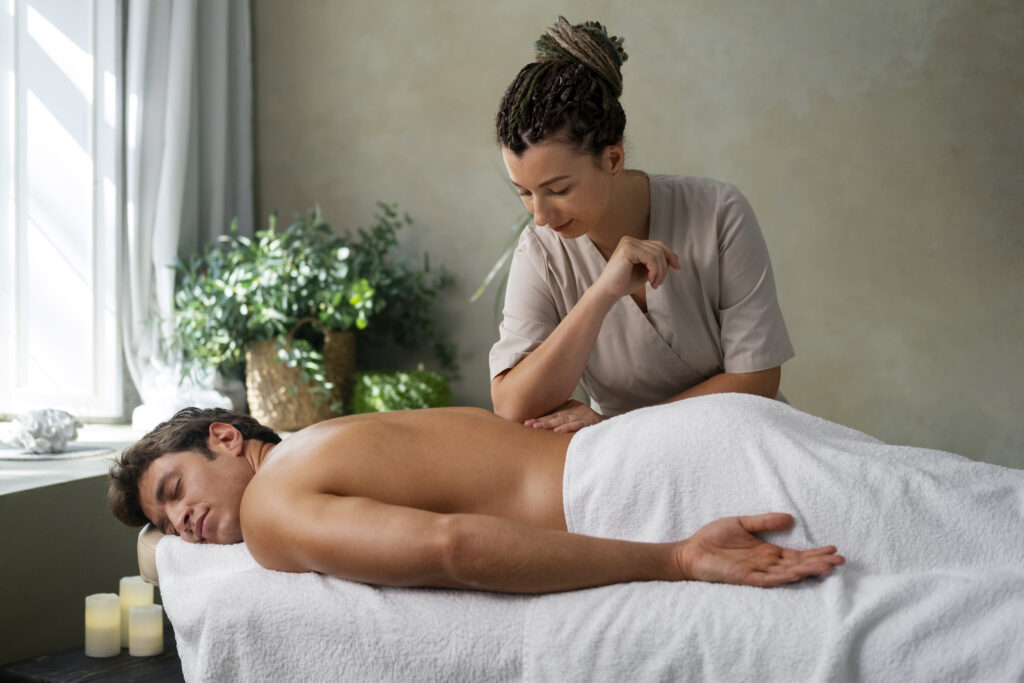
Swedish massage sticks to five classic moves. There’s effleurage (long gliding strokes), petrissage (kneading like bread dough), friction (circular pressure), tapotement (light tapping), and vibration (rapid shaking). Together, these create that classic spa experience.
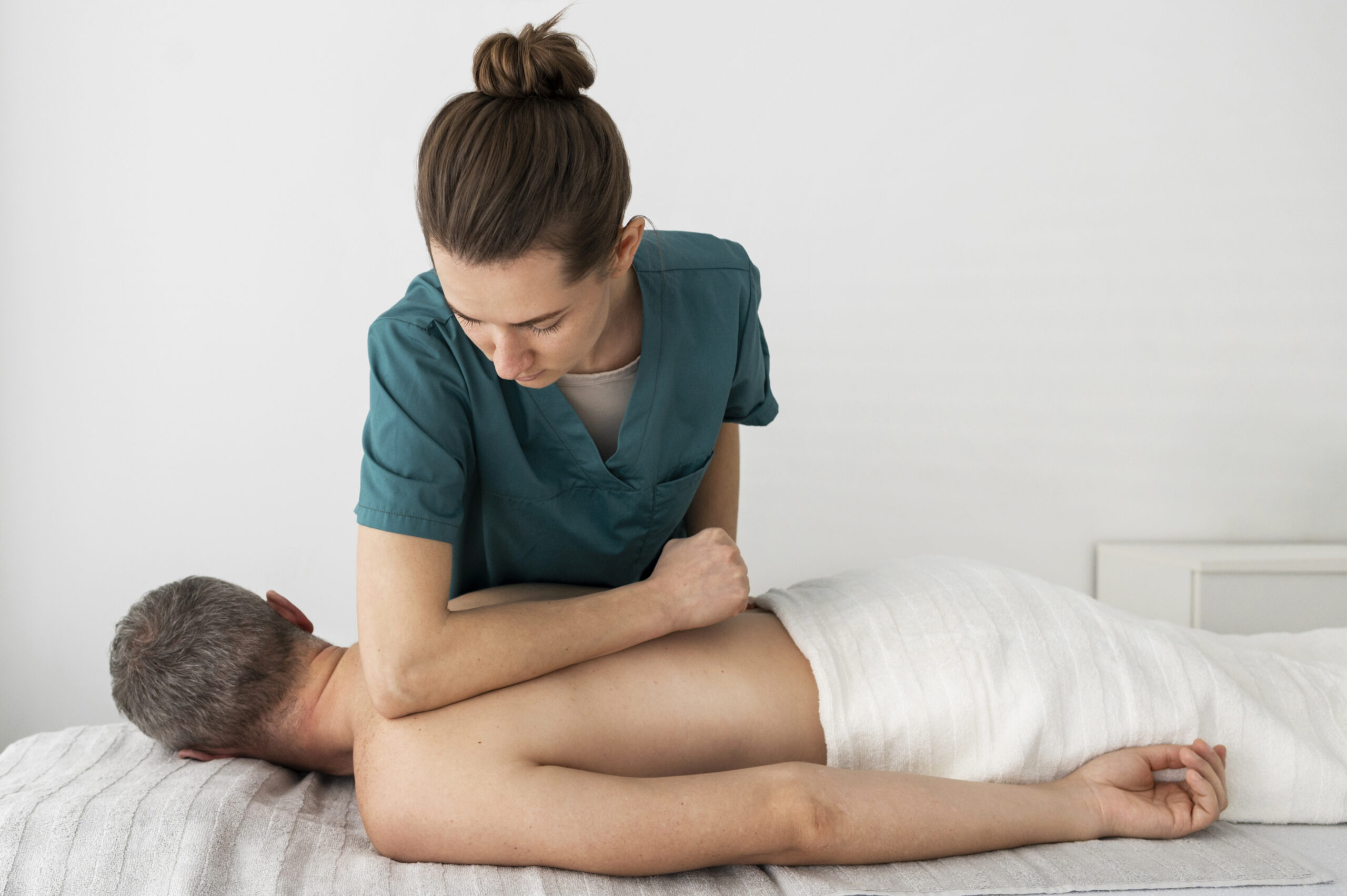
Deep Tissue is about strategic pressure. Therapists use fingers, knuckles, elbows, or forearms for slow, deliberate pressure along muscle fibers.
If you’re new to Thai massage, following a Traditional Thai Massage guide before your appointment helps you prepare.
Does the Floor vs Table Setup Really Matter?
You’d be surprised how much the setting changes the vibe.
Traditional Thai massage puts you on a cushioned mat on the floor. This gives your therapist more flexibility and they can move around you, kneel beside you, stand over you for certain stretches. Moreover, you stay dressed in comfy clothes.
Swedish and Deep Tissue happen on professional massage tables. You undress to your comfort level and get covered with sheets. The whole setup including dim lights, soft music, maybe lavender scent is designed to knock you into relaxation mode.
Floor work feels more active and engaging. Table massages feel more passive you just drift off. Neither’s better just different depending on what you need.
How Do Pain Levels and Flexibility Compare?
Let’s get real about what you’ll feel.
Traditional Thai massage can get intense, especially during deep stretches if your bodies tight. Those pressure points can be tender. A few days later? You’ll notice you can reach further and move easier.
Swedish massage is gentle. Unless you ask for deeper work, you won’t feel much discomfort. Maybe a little tenderness the next day where they worked out knots.
Deep Tissue? Not sugarcoating it so this can hurt. Working through years of tension isn’t always pleasant. You might feel sore afterward, like you went to the gym. But chronic pain finally starts letting go.
Your pain threshold matters when picking the best massage type for your needs. Can’t handle much pressure? High tolerance and want results? Deep Tissue or Thai will get you there.
Which Is Best for Your Specific Goal Thai Massage vs other Massage Styles?
Let’s match you with the right massage.
For Stress Relief: Swedish massage wins. Those long strokes tell your nervous system to relax. You’ll feel mentally clear and emotionally balanced.
For Chronic Pain: Deep Tissue. Got nagging pain or concrete shoulders? The focused pressure breaks scar tissue and releases trigger points. Athletes and fibromyalgia patients swear by it.
For Improved Mobility: Traditional Thai massage wins flexibility. Stretching opens stuck joints and lengthens tight muscles. Perfect if you sit all day.
Need both benefits? Mix techniques. The best massage type for your needs might be custom. Check a Traditional Thai Massage guide first if going the flexibility route.
Frequently Asked Questions
Q1: Can I switch between massage types, or should I stick with one?
Switch away! Your body doesn’t care about loyalty; it cares about what it needs now. This month Deep Tissue for gym pain, next month Swedish for work stress. Simply share your concerns with your therapist.
Q2: How often should I get each type of massage?
Swedish’s gentle enough for weekly sessions. Deep Tissue needs 2-4 weeks between sessions for recovery. Thai massage works great monthly. Listen to your body though.
Q3: Will Thai massage hurt if I’m not flexible?
Your therapist works within your current range. You’ll feel the stretches, but it shouldn’t hurt. Keep going back and those tough stretches get easier as flexibility builds.
Q4: Can Deep Tissue massage cause bruising?
A good therapist won’t leave bruises. Sore? Normal. Bruised? Too much pressure. If something becomes overwhelming during the session, don’t hesitate to voice it.
Which Massage Style Should You Book Next?
When figuring out Thai massage vs other massage styles, there’s no magic answer for everyone. Ultimately, it’s about what your body requires in the present moment.
Tension that won’t quit? Deep Tissue. Wound up and stressed? Swedish. Stiff and restricted? Traditional Thai.
At Mali Healing Spa NYC, our therapists get this. We’ll sit with you, hear what’s happening, and recommend what’ll give you real results. First-timer or regular, we’ll point you right.
Book your session and discover which massage changes everything. Once you find the perfect match, you’ll wonder why you waited.

Related Posts
What Are the Benefits of Back Walking Massage for Chronic Back Pain?

Thai Massage vs Physical Therapy: Which Is Better for Mobility?