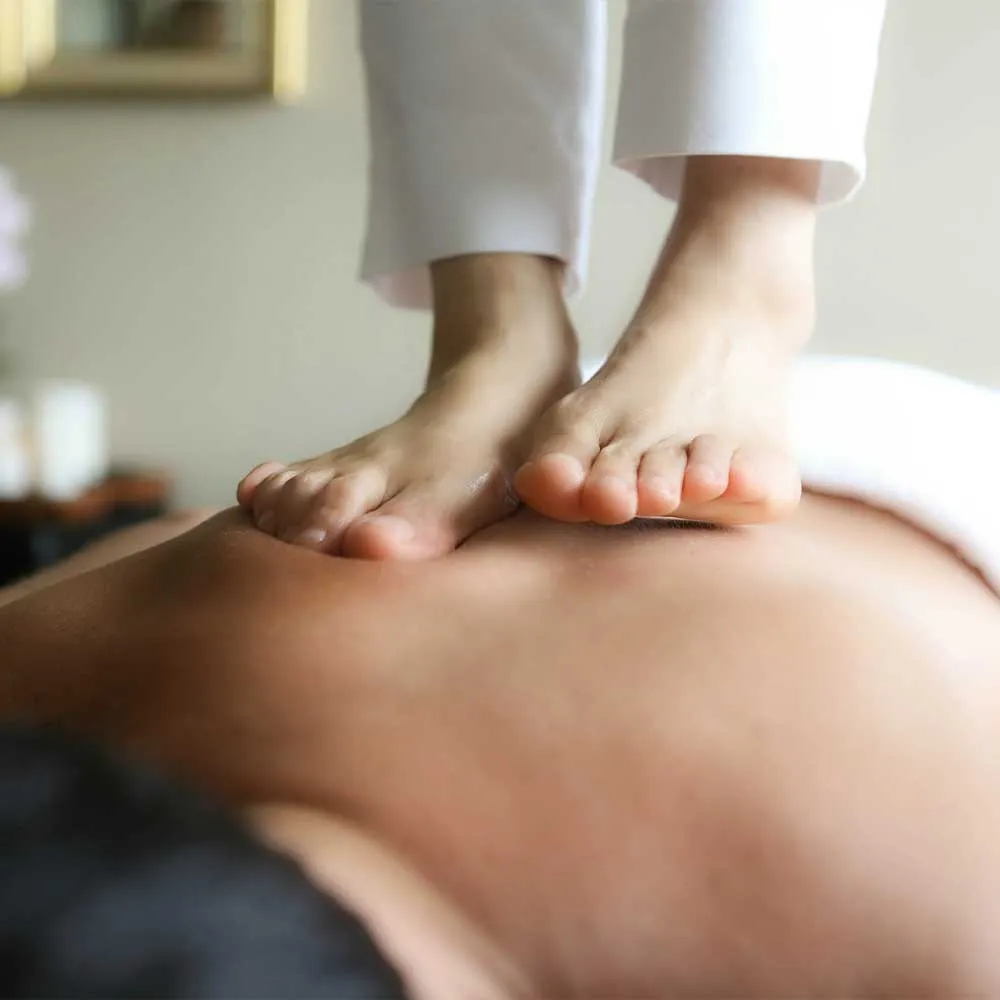

Deep Tissue Massage NYC is one of the most effective therapies for people dealing with constant stress, muscle stiffness, and body fatigue. In a city like New York, where daily life moves at a fast and demanding pace, the body often builds up deep tension that requires more than just surface-level relaxation.
Among today’s wellness treatments, deep tissue massage is widely recognized for its ability to target deeper layers of muscle, release chronic tightness, and improve overall mobility. It is especially helpful for individuals who experience long hours of sitting, physical strain, or stress-related muscle discomfort. In such a high-energy environment, this therapy plays an important role in restoring balance, reducing pain, and supporting long-term wellness.

Understanding Deep Tissue Massage
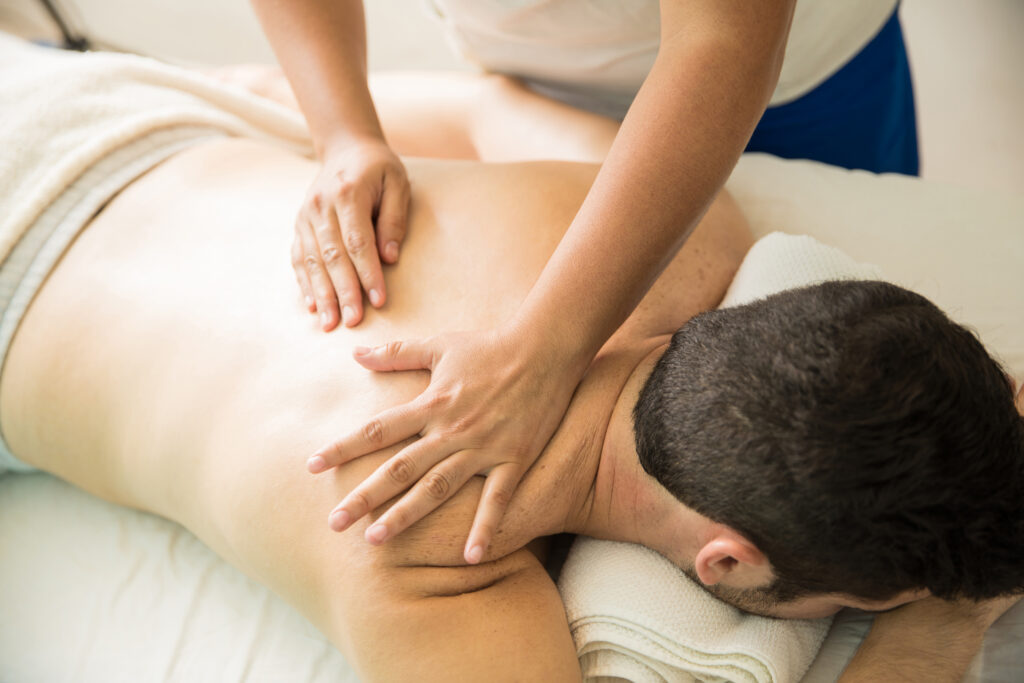
It is a therapeutic technique that focuses on the deeper layers of muscle and connective tissue. Unlike Swedish massage, which uses lighter strokes, deep tissue massage employs slow, firm pressure to target specific areas of tension and pain. This method is particularly effective for individuals dealing with chronic pain, muscle injuries, or recovery from surgery.
Benefits of Deep Tissue Massage
Incorporating deep tissue massage into your wellness routine can yield numerous benefits:
- Alleviates Chronic Pain: By focusing on deeper muscle layers, it helps release chronic muscle tension and pain, particularly in areas like the neck, shoulders, and lower back.
- Improves Posture: Regular sessions can help correct muscle imbalances and promote better posture, reducing strain on the spine and joints.
- Enhances Flexibility: The technique aids in breaking down adhesions and scar tissue, improving the range of motion and flexibility.
- Reduces Stress and Anxiety: It stimulates the production of serotonin and dopamine, neurotransmitters that promote relaxation and reduce stress levels.
- Supports Injury Rehabilitation: By increasing blood flow to affected areas, it accelerates healing and recovery from injuries.
Deep Tissue Massage vs. Swedish Massage
While both deep tissue and Swedish massages aim to promote relaxation and alleviate muscle tension, they differ in technique and intensity:
- Swedish Massage: Utilizes long, flowing strokes and lighter pressure to relax the body and improve circulation.
- Deep Tissue Massage: Employs slower, more deliberate strokes with deeper pressure to target specific muscle groups and release chronic tension.
Choosing between the two depends on individual needs and preferences. For those dealing with chronic pain or muscle stiffness, it may be more beneficial.

Incorporating Deep Tissue Massage into Your Wellness Routine
- Schedule Regular Sessions: Consistent treatments, such as bi-weekly or monthly sessions, can help maintain muscle health and prevent the buildup of tension.
- Communicate with Your Therapist: Discuss any areas of discomfort or specific needs to tailor the session to your requirements.
- Stay Hydrated: Drinking water before and after the massage helps flush out toxins released during the treatment.
- Combine with Other Therapies: Integrating deep tissue massage with practices like yoga or Pilates can enhance flexibility and overall well-being.
Conclusion
Deep tissue massage is more than just a luxury; it’s a vital component of a holistic wellness routine, especially in a city like New York. By addressing the physical manifestations of stress and strain, it not only promotes physical health but also supports mental clarity and emotional balance. When paired with treatments like an aroma body spa, this therapeutic practice enhances both physical and emotional well-being. Incorporating these rejuvenating experiences into your life can lead to a more balanced, pain-free, and fulfilling existence amidst the urban hustle.
Frequently Asked Questions
Does deep tissue massage hurt?
Some discomfort may occur, especially if muscles are tight. However, you should not experience sharp pain. Always communicate with your therapist to adjust pressure as needed.
Can deep tissue massage help with stress relief?
Yes, deep tissue massage can lower cortisol levels and stimulate the production of serotonin, aiding in stress reduction and promoting relaxation.
Are there any health conditions that contraindicate deep tissue massage?
Individuals with certain conditions, such as blood clots, fractures, or skin infections, should consult with a healthcare provider before undergoing deep tissue massage.
What should I do after a deep tissue massage?
Rest, stay hydrated, and avoid strenuous activities for the remainder of the day to allow your body to recover and reap the full benefits of the massage.

Related Posts
Full Body Deep Tissue Massage for Chronic Pain & Tension Relief
10 Surprising Benefits of Deep Tissue Massage You Didn’t Expect