

The human body is extremely responsive to regular massage treatment. Regular sessions cause permanent alteration of the muscle tissue that goes way beyond short-term relaxation. Muscles become more flexible, strong, and effective in the recovery from daily stress.
Massage therapy, in the long run, can be used to break down chronic adhesions in the muscle fibers. These knots are immobilizing and result in chronic pain. Professional therapists release these problem areas systematically and enable the muscles to perform their best.

What changes take place in muscle tissue under regular treatment?
When exposed to regular therapeutic touch, muscle fibers are able to adapt considerably. Fascia, which is the connective tissue enveloping the muscles, becomes less rigid and restrictive. This change enables an increase in the range of motion and decreased stiffness.
In months of treatment, there is an improvement in tone and elasticity of the muscles. They react faster to stretching and recuperate faster after physical exercise. The effects of massage also reach the cellular modifications of muscle tissue. Research indicates a decrease in the factors of inflammation and an increase in protein production during regular sessions.
Can Massage Therapy Prevent Future Muscle Problems?
Regular treatment reveals possible problem areas before they progress into severe injuries. Frequent exercises keep the muscles at their optimal length and minimize the chances of strains and tears. The muscles remain flexible and are able to respond to sudden physical activities.
Moreover, regular massage can be used to sustain a healthy posture. The presence of poor posture gives rise to chronic tension patterns, which become worse with time. Therapeutic intervention cushions the spine and the musculature around the spine against degenerative alterations.
How Does Deep Tissue Massage Produce Long-term Muscular Effects?
The deep tissue massage reaches the deepest levels of the muscle and connective tissue. Therapists use deep pressure to penetrate these areas that cannot be accessed by superficial massage. Long-term diseases such as fibromyalgia, lower back pain, and neck tension become much better with time.
The progressive, slow strokes are used to loosen the tough bands of tissue that have formed as a result of chronic tension, injury, or repetitive strain. Deep tissue work causes a significant increase in blood flow. More oxygen and nutrients are supplied to the muscles, which enhances healing and minimizes inflammation.
What Role Does Heat Play in Long-Term Muscle Health?
Massage with heat therapy has special therapeutic advantages. Heat flows down to the depth of the muscle tissue to make it easier to manipulate.
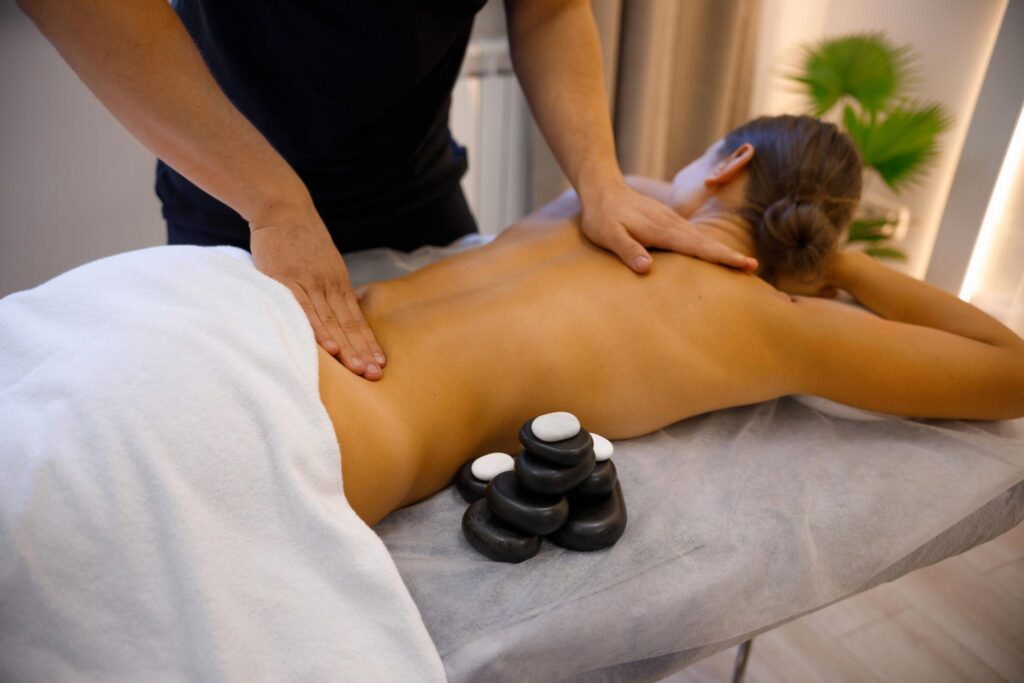
Hot stone massage involves the use of smooth basalt stones to provide a steady flow of warmth. The stones are strategically positioned on the body in addition to being used as massage devices.
The stones heat up, and it causes blood vessels to dilate, which enhances blood circulation across the area of treatment. When subjected to persistent heat, muscle tension eases more easily. With time, the muscles get trained to relax faster and fully.
Is Regular Massage More Effective in Muscle Recovery after Exercise?
Regular massage therapy has immense advantages for athletes and other active people. This makes it possible to have more intense exercises without overtraining.
Massage after exercise eliminates the accumulation of lactic acid that leads to fatigue and soreness. Sportsmen observe a decrease in the period of rest between exercises. Muscles are capable of staying long and elastic even when they require physical activity.
Hot stone massage is especially useful as a tool of recovery. Heat and massage help to decrease inflammation and stimulate recovery. These sessions are usually arranged by the athletes following competitions or rigorous training.
How Does Massage Affect Muscle Stiffness and Chronic Tension?
Chronic tension patterns are built up over the years due to stress, bad posture, or repetitive actions. Regular sessions gradually reprogram the muscle memory. The tight muscles also learn to relax to a better baseline state.
The effects of massage on chronic tension include improved nerve functioning. Relaxation of adjacent muscles results in the restoration of normal functioning of compressed nerves. Numbness, tingling, and radiating pain can be cured, and they usually disappear with further treatment.
Is Massage Therapy Able to Reverse Changes in the Aging Muscles?
As muscles become older, they undergo changes that are natural yet can be slowed down or reversed by the use of massage. Frequent massaging maintains the integrity of muscle fibres and enhances regeneration.
With age, joint mobility tends to decrease because of the tightness of muscles and changes in connective tissue. Constant massage retains the range of motion and flexibility.
Chronic pain is more prevalent in an aging population. These symptoms can be treated without medication through long-term massage therapy. With frequent therapy, elderly people walk with more comfort and confidence.
What are the systemic changes that happen with regular massage?
The effects of frequent massage are not limited to the muscles. Sustained use of the massage reduces stress hormone levels permanently. Reduction in cortisol results in muscle relaxation and general health.
Muscles tend to be able to repair and regenerate better when they are well rested. Regular treatment causes the nervous system to change to parasympathetic dominance. This rest and digest position facilitates healing and lessens the chronic tension. Even in stressful situations, muscles are more relaxed.
Improved circulation favors the activity of white blood cells in the body. This is an improvement in the overall health and muscle resilience.
Key Takeaways
- Regular massage produces long-lasting effects on muscle tissue, such as increased flexibility and enhanced circulation.
- The advantages of deep tissue and hot stone massage are long-term, and the results improve with time as they are treated.
- Continued massage therapy inhibits age-related muscle deterioration, hastens post-exercise recovery, and preserves optimal muscle activity.
Frequently Asked Questions
What is the frequency of general long-term muscular benefits of receiving a massage?
Most individuals get the best results when they have sessions every two to four weeks. Weekly treatments may be useful to athletes or patients with chronic conditions.
Will muscles be dependent on massage treatment?
No, routine treatment educates muscles to go back to a healthier state on their own. The frequency of sessions decreases as the condition gets better.
Is massage therapy a substitute for stretching or exercise to maintain muscle health?
Massage does not substitute active movement practices; it is complementary to them. Although it does have many advantages, muscles require stretching and strengthening.
Conclusion
Mali Healing Spa NYC uses deep tissue massage to establish permanent changes in the muscular health of patients. Their highly qualified therapists know how to carry out the hot stone massage to preserve muscle fitness, avoid injuries, and improve overall physical fitness.
👉 Schedule your massage today and restore your body’s balance.

Related Posts
Which Massage Is Best for Your Body? A Complete Guide to Popular Massage Types

How Personalized Intake Forms Improve Massage Results?
