Runner’s leg pain is one of the most common challenges faced by both recreational joggers and seasoned athletes. Tight calves, sore hamstrings, aching knees, and overworked feet often become part of the routine—until they start limiting performance. Over time, repetitive impact, muscle imbalances, and insufficient recovery lead to discomfort that no amount of stretching alone seems to resolve.
This is where massage therapy for runners’ leg pain plays a transformative role. Through targeted techniques that release tension, improve circulation, and restore muscle balance, massage becomes more than a luxury—it becomes an essential recovery tool. From my firsthand experience working with runners and receiving regular bodywork myself, I’ve seen how the right approach to massage can dramatically reduce pain, prevent injury, and improve running efficiency.
Why Runners Experience Persistent Leg Pain
Running places repetitive stress on the lower body. Each stride sends force through the feet, calves, knees, and hips. Over time, this leads to:
- Muscle tightness and microtears
- Reduced flexibility in calves and hamstrings
- Poor circulation in overworked tissues
- Inflammation around joints and connective tissue
- Trigger points that refer pain down the legs
Without proper recovery, these issues accumulate. This is why leg pain relief massage is not just reactive care but a preventive strategy for runners.

How Massage Therapy Supports Runners’ Recovery
Improves Circulation and Oxygen Delivery
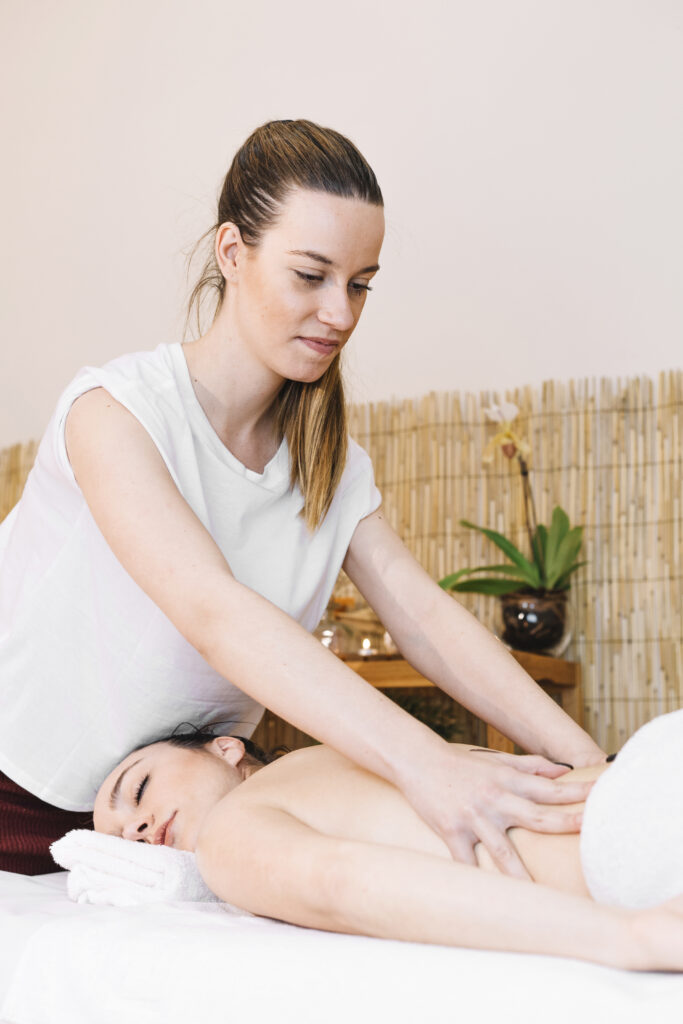
One of the most important benefits of massage for runners is improved blood flow. Techniques used in sports massage for runners stimulate circulation, helping oxygen and nutrients reach fatigued muscles while flushing out metabolic waste like lactic acid.
Massage styles such as Swedish Massage are particularly effective for increasing circulation and reducing post-run stiffness.
Learn more about this approach at Swedish Massage at Mali Healing Spa NYC
Releases Tight Muscles and Fascia
Runner’s leg pain often originates from chronically tight calves, quads, IT bands, and hamstrings. When these tissues remain contracted, they restrict movement and pull on surrounding joints.
Deep Tissue Massage works into deeper muscle layers to break down adhesions and restore proper muscle length. From personal experience, runners often feel immediate relief from calf tightness and improved stride fluidity after just one session.
Reduces Inflammation and Muscle Fatigue
Post-run inflammation is a natural response, but chronic inflammation leads to pain and injury risk. Massage activates the parasympathetic nervous system, which helps calm inflammatory responses and encourages tissue repair.
Techniques like Hot Stone Massage enhance this effect by warming tissues, increasing blood flow, and relaxing deeply fatigued muscles.
Sports Massage for Runners: A Targeted Approach
Unlike general relaxation massage, sports massage for runners is designed to support performance and recovery. It focuses on:
- Pre-run muscle activation
- Post-run recovery
- Injury prevention
- Increased range of motion
Combination techniques often work best, blending deep tissue pressure with stretching and rhythmic movements.
The Combination Massage at Mali Healing Spa NYC is ideal for runners needing both recovery and flexibility support:
Thai Massage and Stretching for Runners’ Legs
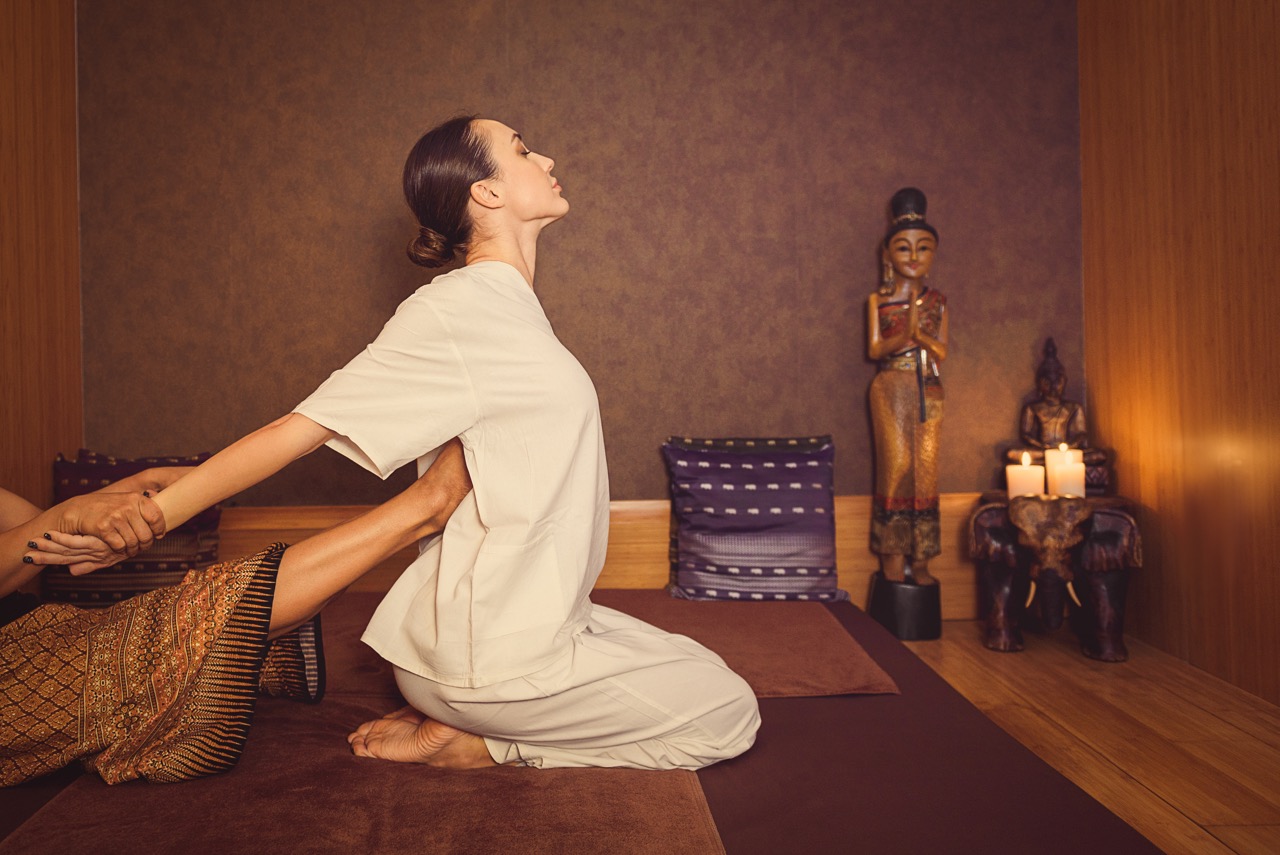
Traditional Thai massage offers unique benefits for runners by combining assisted stretching, acupressure, and rhythmic compression. This approach improves joint mobility and lengthens muscles without aggressive pressure.
From firsthand sessions, runners often report improved hip mobility, reduced calf tightness, and better overall leg alignment after Thai massage.
Foot and Lower Leg Relief for Runners
Runner’s leg pain frequently starts in the feet. Tight plantar fascia, overworked arches, and restricted ankle mobility can send pain upward into the calves and knees.
Thai Foot Reflexology targets pressure points in the feet that correspond to muscles and joints throughout the legs. Many runners experience lighter steps and reduced soreness after foot-focused sessions.
Aromatherapy and Nervous System Recovery
Mental fatigue often accompanies physical strain in runners, especially during training cycles. Aromatherapy Massage supports emotional relaxation while reducing muscle tension, helping the body enter a restorative state.
This type of massage is especially effective during recovery weeks or post-race periods.
Herbal Compress Therapy for Muscle Recovery
Traditional Thai Herbal Compress Massage uses heated herbal bundles to reduce inflammation, relax muscles, and promote healing. The warmth and herbal properties penetrate deep into tissues, making it ideal for sore runner’s legs.
How Often Should Runners Get Massage Therapy?
Based on both professional insight and firsthand experience:
- High-mileage runners: Weekly or bi-weekly sessions
- Recreational runners: Monthly maintenance
- Post-race recovery: Within 48–72 hours
Consistency matters more than intensity. Regular massage therapy for runners’ leg pain helps prevent injuries before they begin.
Common Mistakes Runners Make Without Massage
- Ignoring tight calves and hamstrings
- Relying only on stretching
- Skipping recovery days
- Running through pain
Massage fills the recovery gap that stretching and rest alone often miss.
Conclusion
Runner’s leg pain doesn’t have to be an inevitable part of training. With the right recovery strategies, runners can maintain strong, flexible, and pain-free legs. Massage therapy for runners’ leg pain offers a proven, natural solution—supporting faster recovery, improved performance, and long-term joint health.
Whether through sports massage for runners, deep tissue work, Thai stretching, or targeted foot therapy, consistent massage care allows runners to move better, recover faster, and run longer with confidence.
Frequently Asked Questions
Does massage therapy really help runners’ leg pain?
Yes. Massage improves circulation, reduces muscle tension, and accelerates tissue recovery.
Is sports massage better than regular massage for runners?
Sports massage is more targeted, but combining techniques often delivers the best results.
Can massage prevent running injuries?
Regular massage helps identify tight areas early, reducing injury risk.
When is the best time to get a massage after running?
Within two to three days post-run or race is ideal.
Does foot massage help leg pain?
Absolutely. Foot mechanics directly affect calves, knees, and hips.
Is massage safe during marathon training?
Yes, when performed by trained therapists using runner-appropriate techniques.

Related Posts

How Ethical Boundaries Are Maintained in Professional Massage Therapy
How NYC Professionals Build Massage Into High-Performance Routines