When people book a massage in New York City, they often focus on location, availability, or massage style. What many do not think about is the training that happens behind the scenes long after a therapist is licensed. At Mali Healing Spa NYC, massage services are delivered by therapists who stay current with professional learning standards, which plays a quiet but important role in service quality and client trust. This guide explores the massage continuing education NYC requirements, what they involve, and why ongoing learning affects the care clients.
In NYC, massage quality is closely tied to education rules set by the state. Therapists are expected to keep learning throughout their careers. These requirements are not optional, and they shape how safely and consistently massage services are provided across the city.
Blog Objective
This blog explains how ongoing education rules for NYC massage therapists affect service quality, safety, and client trust, helping readers understand why continued learning plays a role in professional massage care.
Key Takeaways
- Ongoing education is required for licensed massage therapists in NYC
- Continuing education helps therapists stay aligned with state rules
- Training updates affect safety, technique, and client experience
- This blog explains how education rules connect to massage quality
- Trust-focused clients benefit from understanding therapist education standards
Who Sets Continuing Education Rules for Massage Therapists in NYC?
Massage therapists in New York City are required to follow education rules set at the state level in order to keep their licenses active. These rules exist to make sure therapists continue learning as massage practices, safety guidance, and professional expectations change over time.
Therapists must complete approved education hours during each license renewal period. These courses are reviewed for relevance and quality, and oversight from the NY massage board helps ensure that education providers follow established standards.
This system creates consistency across the city. Whether a client books a massage near Grand Central or in another NYC neighborhood, licensed therapists are expected to meet the same learning requirements. Continuing education rules also protect clients by keeping massage care aligned with current standards rather than outdated training.
What Do Massage Therapists Learn Through Continuing Education?
Continuing education goes beyond basic massage training. These courses help therapists stay current with safety guidance, updated techniques, and professional expectations that change over time.
Classes often include injury awareness, body mechanics, hygiene standards, and client communication. Therapist training updates also cover new findings about muscle response and recovery, which helps therapists adjust their work more carefully during sessions.
Education strengthens ethics and professional conduct, leading to safer sessions, clearer communication, and more consistent care for clients, even if they don’t see this learning directly.
How Do Massage CE Credits Affect Service Quality?
Continuing education is measured through required learning hours, often called massage CE credits. These credits confirm that a therapist has completed approved coursework during a license renewal period. They are not optional and directly influence how therapists maintain professional standards.

Earning these credits helps therapists:
- Stay aligned with current safety rules
- Refresh hands-on skills and body mechanics
- Review updated hygiene and sanitation practices
- Improve communication and session structure
Because these learning hours must be completed regularly, therapists are encouraged to keep their knowledge current rather than relying on outdated methods. This ongoing requirement supports consistency across massage services in NYC.
For clients, CE credits act as a quality checkpoint. They signal that a therapist is keeping up with education rules and professional expectations, which supports trust and reliability during sessions.
What Licensing Standards Tell Clients About Massage Quality
Massage quality in NYC is closely tied to licensing rules that therapists must follow to stay active. These licensed therapist standards set expectations for education, ethics, and professional conduct, helping ensure a consistent level of care across the city.
Licensing rules exist to protect clients. They require therapists to renew credentials on time, complete approved education, and follow clear practice guidelines. When standards are enforced, clients can expect therapists to work within recognized safety and professional limits.
For trust-focused clients, licensing acts as reassurance. It shows that massage services are provided by professionals who meet ongoing requirements rather than relying only on past training. This structure supports accountability and reliability in NYC massage care.
How Can Clients Tell If a Therapist Keeps Up With Education?
Clients do not need to review certificates or ask technical questions to understand whether a therapist stays current. Ongoing education often shows up in how sessions are handled and how clearly therapists communicate.
Signs that often reflect continued learning include:
- Clear explanations before and during the session
- Adjustments based on comfort and body response
- Consistent hygiene and preparation habits
- Willingness to answer questions about techniques
Therapists who keep up with education tend to work with more awareness. They notice subtle changes in muscle response and adjust sessions accordingly rather than following a fixed routine.
For trust seekers, these behaviors signal professionalism. While education happens behind the scenes, its impact is felt through steady care, respectful interaction, and sessions that feel structured rather than rushed.
Why Ongoing Education Affects Massage Quality Over Time
Massage quality does not stay the same forever. Bodies change, safety guidance updates, and professional expectations shift over the years. Ongoing education helps therapists stay current instead of relying only on what they learned early in their careers, which is especially important in a regulated city like New York.
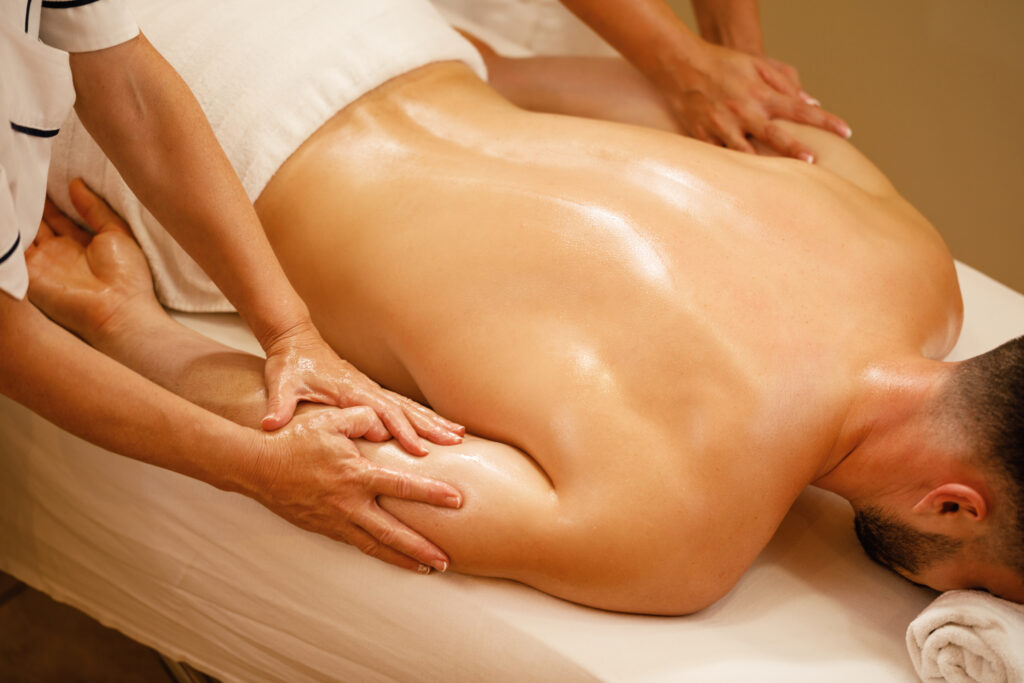
Rules around massage continuing education in NYC exist to keep therapists aligned with present-day standards. Continued learning supports better judgment, earlier recognition of warning signs, and safer session adjustments as guidance evolves.
For trust seekers, ongoing education reflects accountability. At Mali Healing Spa NYC, therapists follow state education requirements while continuing to build their skills, supporting massage sessions that remain consistent, attentive, and aligned with current professional standards.
Conclusion
Massage quality is about more than just technique. Ongoing education, licensing rules, and regular training all help ensure massage care in NYC stays safe and consistent. Understanding these requirements makes it easier to choose a massage provider you can trust. At Mali Healing Spa NYC, therapists follow current education and licensing standards so clients receive care that reflects today’s professional expectations, not outdated methods.
If you want a massage experience built on proper training, steady care, and attention to quality, scheduling a session with Mali Healing Spa NYC is a comfortable and reliable place to start.
Frequently Asked Questions
1. Are NYC massage therapists required to complete massage continuing education NYC?
Yes. Licensed massage therapists must complete approved education hours to renew their licenses and remain active.
2. Does continuing education affect how massage sessions feel?
Yes. Education supports better technique control, clearer communication, and safer session structure.
3. How often do therapists complete continuing education?
Education is completed during license renewal periods, based on state requirements.
4. Can clients ask therapists about their education?
Yes. Therapists can explain how education supports their work and service quality.
5. Why does ongoing education build client trust?
It shows therapists are held to current professional standards rather than relying only on past training.

Related Posts
How Your Body Communicates During a Massage (And Why Listening Matters)
How NYC Massage Therapists Customize Pressure Without Causing Injury