

During a massage, your body is constantly responding. Muscles soften, tighten, release, or signal discomfort in subtle ways. These reactions are not random. They are forms of communication that help guide the session. At Mali Healing Spa NYC, therapists are trained to notice these responses and adjust their work in real time based on what the body is showing. Understanding body signals during massage helps explain why certain areas respond differently and how small physical cues can shape a safer, more comfortable session.
Many people think massage is something that simply happens to the body. In reality, the body plays an active role. Sensations, breathing patterns, and muscle reactions all provide information. When these signals are noticed and respected, massage becomes a shared experience rather than a passive one.
Blog Objective
This blog explores how the body communicates during a massage, helping clients notice physical signals, understand therapist responses, and stay more aware of what supports comfort and safety.
Key Takeaways
- The body sends signals throughout a massage session
- Muscle response helps guide pressure and technique
- Listening to body cues supports comfort and safety
- Therapists adjust sessions based on physical feedback
- This blog explains how awareness improves massage experiences
What Common Body Signals Show Up During a Massage?
As a massage begins, the body often responds before the mind does. These reactions may be subtle or noticeable, but they provide helpful information about how the session is progressing. Paying attention to them helps both the client and therapist stay connected to what the body needs.
Muscle softening is one common signal. Areas that feel tight at first may gradually relax as the body adjusts, showing that pressure and pacing feel comfortable. Muscles may also tense or resist when pressure feels too strong, signaling the need for change.
Breathing offers important clues as well. Slow, steady breaths often reflect ease, while shallow or held breathing can suggest discomfort. Sensations like warmth, gentle pulling, or a dull ache may also appear as tissue responds. These signals are messages, not problems, and noticing them helps the massage stay supportive rather than forced.
How Do Therapists Read and Respond to Muscle Feedback?
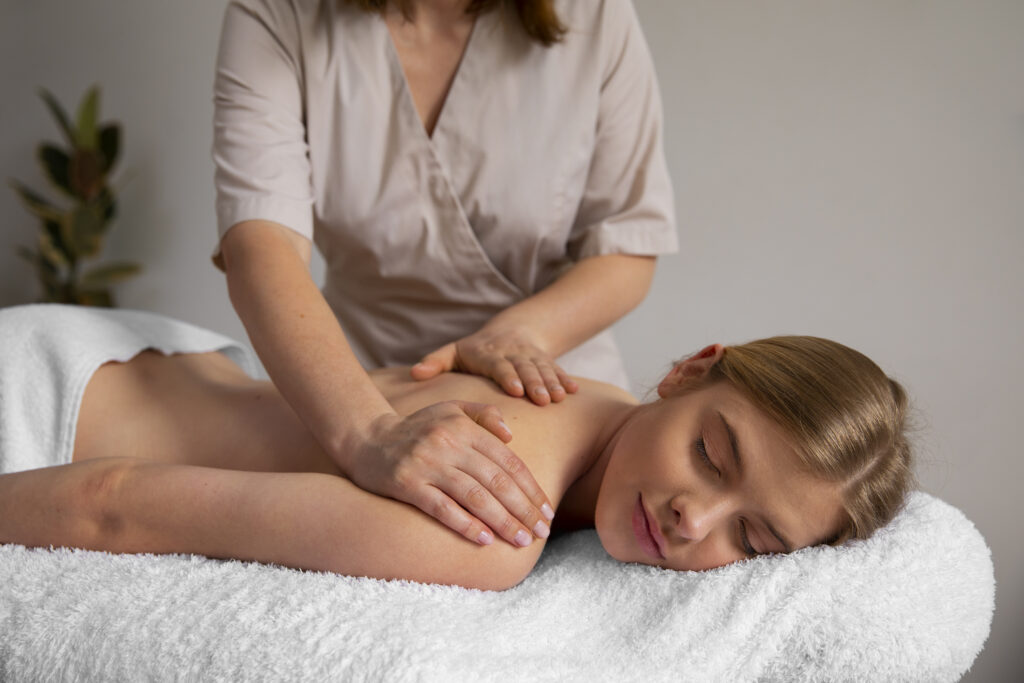
During a massage, therapists are constantly observing how the body responds to touch. This muscle feedback helps guide pressure, pacing, and technique throughout the session. It allows the therapist to work with the body instead of pushing against it.

Therapists often look for signals such as:
- Muscles softening under steady pressure
- Areas that tighten or pull away when depth feels too strong
- Changes in temperature or texture of the tissue
- Subtle shifts in breathing or posture
When muscles relax, it usually means the body feels comfortable with what is happening. When muscles resist or tense, it is a sign that something needs to change. This could mean slowing down, easing pressure, or moving to a different area.
Understanding Body Signals During Massage means responding in real time. Small adjustments help the body feel supported and prevent discomfort from building. When therapists stay attentive to muscle responses, the session becomes smoother, more effective, and deeply connected — even without much conversation.
How Can You Tell the Difference Between Discomfort and Release?
During a massage, it is common to feel sensations that fall between comfort and intensity. This can sometimes make it hard to know what the body is asking for. Understanding pain vs release massage sensations helps clients recognize whether the body is responding positively or signaling a need for change.
Release often feels like a gradual easing. The sensation may feel strong at first, but it softens as muscles relax and breathing remains steady. The body stays open rather than pulling away. Discomfort, on the other hand, may feel sharp or sudden and can cause breath holding or muscle tightening.
Both reactions are forms of communication. Noticing these differences early helps clients stay present and allows therapists to adjust the session so it remains supportive rather than stressful.

Why Does Clear Communication Matter During a Massage?
Clear communication helps connect what the body feels with how the therapist responds. While physical cues guide much of the session, spoken feedback helps fine-tune the experience. This is where therapist communication plays an important role.
Clear communication helps by:
- Allowing therapists to adjust pressure and pacing
- Making it easier to address sensitive or tense areas
- Preventing discomfort from building during the session
- Keeping the message responsive instead of fixed
Even brief check-ins can make a difference. When clients feel comfortable sharing and therapists remain receptive, the session stays aligned with what the body is asking for in that moment.
How Listening to Your Body Improves the Massage Experience
When paying attention to Body Signals During Massage, the session becomes more comfortable and balanced. Muscle responses, breathing changes, and subtle shifts in sensation help guide the flow of treatment, allowing natural adjustments that support deeper relaxation and effective results.
Listening does not require overthinking. It simply means noticing when the body feels open and relaxed or when it feels resistant. Softening usually signals comfort, while increased tension may suggest the need for slower pacing or lighter pressure. Paying attention to these cues helps prevent strain and keeps the experience supportive.
For many clients, body awareness encourages active participation rather than passivity. At Mali Healing Spa NYC, therapists work with these real-time responses so sessions stay responsive, steady, and aligned with what the body needs in the moment.
Conclusion
A massage is not just something done to the body. It is a shared experience shaped by physical signals, awareness, and clear communication. When clients notice how their body responds, and therapists stay attentive to those responses, sessions feel more comfortable and balanced. At Mali Healing Spa NYC, therapists are trained to listen closely to these cues, allowing each massage to adapt naturally instead of following a fixed routine.
If you want a massage experience where your body’s signals guide the session and comfort is treated as a priority, booking a session at Mali Healing Spa NYC is a simple way to experience attentive, responsive care designed around you.
Frequently Asked Questions
1. Is it normal for the body to react differently during each massage?
Yes. The body changes day to day based on stress, activity, and rest, so responses during massage can vary from one session to another.
2. Should I speak up if something feels uncomfortable?
Yes. Sharing how something feels helps the therapist adjust and keeps the session comfortable and supportive.
3. Can muscle sensations change during a single session?
They can. Muscles may feel tight at first and soften later as the body relaxes and responds to touch.
4. Does breathing affect how the body responds to massage?
Yes. Steady breathing often helps muscles relax, while shallow or held breath can signal discomfort.
5. Do therapists rely only on verbal feedback?
No. Therapists also observe physical cues like muscle response, posture, and breathing to guide the session.

Related Posts

Best Massage Midtown Manhattan: Where to Find Real Relief Near Grand Central NYC

Massage Continuing Education NYC: How Ongoing Training Ensures Quality